

Hawaiʻi School Superintendents Could See Big Increases In Pay Ranges
A study found that the superintendents earn less than their counterparts on the mainland.
Hawaiʻi’s top educational leaders could see some of their biggest pay raises in years under a proposal scheduled to be heard by the state Board of Education Human Resources Committee on Thursday.
Twenty-four superintendents could see their maximum potential pay increase by 5% to 36%, although most wouldn’t be earning the maximum amount, said Wes Lo, who chairs the board’s Human Resources Committee and wrote the proposal. The goal, he said, is to make pay more equitable across leadership positions after the board declined to raise the salaries for some superintendents in recent years.
“This is an equity situation, just to make the jobs competitive,” Lo said. If the Human Resources Committee approves new salary ranges for superintendents, the proposal would go to the full board for a vote this fall.
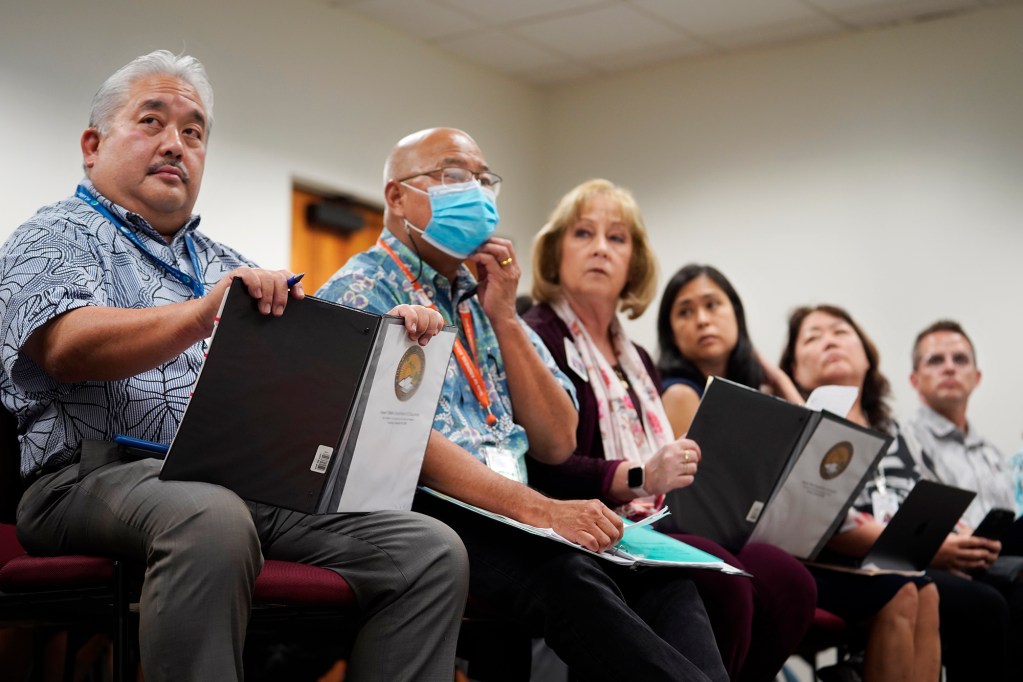
The board most recently raised the salaries of deputy, assistant and complex area superintendents, who oversee school districts and manage issues like transportation and curriculum, by up to 4% last October.
Some educators and community members have strongly opposed pay increases for top leaders in the Department of Education. Last fall, the teachers’ union pushed back against the board’s decision to raise Superintendent Keith Hayashi’s salary by 4%, citing the department’s failure to pay teachers on time at the start of the school year.
Under one proposal coming before the committee Thursday, DOE’s three deputy superintendents could theoretically see their salary range increase to $249,725 to $263,862 – that would be a 36% increase in the maximum, retroactive to July 1.
But according to Hawaiʻi state law, deputy, assistant and complex area superintendents can’t make more than Hayashi. Hayashi’s salary is currently at $249,600, meaning that deputy superintendents wouldn’t see their pay immediately raised to those levels.
The board will evaluate Hayashi’s contract and salary later this year.
Assistant superintendents, who oversee state-level offices managing school lunches, facilities and other issues, could see their maximum pay increase from $189,000 to $234,937, with a minimum of $215,407. Salary hikes would be smaller for DOE’s 15 complex area superintendents, who received larger raises in 2023. They currently earn up to $205,000 but could see their maximum salary rise to nearly $220,000 under the new proposal, with a minimum of $183,997.
To determine the actual raise for each superintendent, the board is considering two models.
One model, which would apply to most superintendents, would in most cases automatically raise their salary to the minimum level recommended by the study, which looked at the median wages of educational leaders in mainland districts and other school systems in Hawaiʻi. Superintendents would then receive a 2% increase for every year they’ve served in department leadership thus far.
But not all superintendents would qualify for raises under these calculations, especially if they’re already on the higher end of the salary range, Lo said. In those cases, superintendents would receive up to a 3.2% raise. The exact amount would be determined by their recent performance reviews.
The total cost of these raises would be from $148,000 to $521,000, according to Lo’s memo.
The department has previously come under fire for being top heavy, especially after adding two deputy superintendents to its ranks in summer 2022 and an additional assistant superintendent to oversee school meals, transportation and campus security this spring. In 2023, the department received strong criticism when it unsuccessfully asked the board to increase the wages of deputy and assistant superintendents, with some educators arguing the funds should go toward increasing the pay of school workers instead.
But the salaries of Hawaiʻi’s superintendents have significantly lagged behind the pay of their peers on the mainland, according to a recent market research study conducted by the firm Gallagher Benefits Services.
The DOE, which encompasses all public schools in the state and has enrolled about 150,000 students this school year, is among some of the largest districts in the nation. But salaries for top Hawaiʻi superintendents fall 20% below the median pay for similar leadership jobs on the mainland and in Hawaiʻi, according to the study.
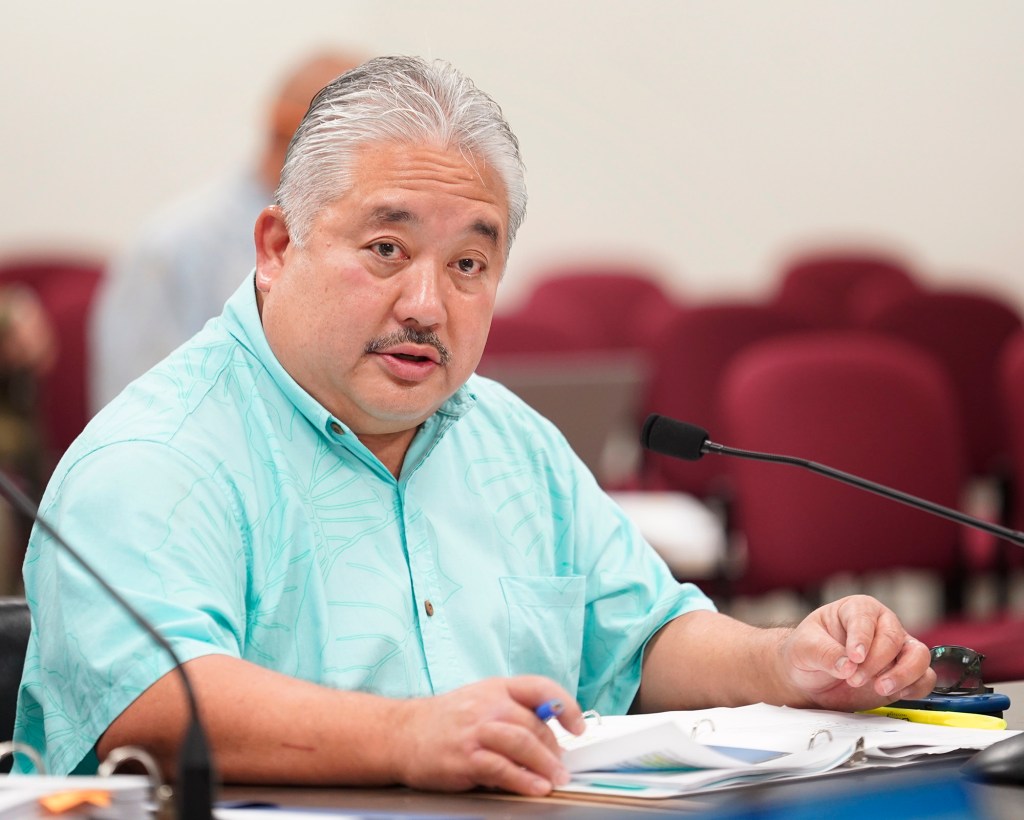
The size of DOE’s leadership team is also comparable to other districts serving similarly sized student populations on the mainland, said Board of Education chair Roy Takumi. It’s important to increase leadership pay so DOE can competitively recruit candidates to its top positions, he said.
For example, principals currently earn a maximum salary of nearly $230,000 – roughly $25,000 more than the highest-paid complex area superintendent in the state. The pay difference makes it difficult to convince principals to move to state leadership positions, since they would be taking on more responsibilities while also facing a pay cut, Takumi said.
“This agenda item is to try to address that and come up with a schedule that better reflects their current responsibilities,” Takumi said.
But while the recruitment of high-quality leaders is important, it’s less of a concern compared to the state’s ongoing challenge of hiring educators, said state Rep. Amy Perruso, a former teacher.
All of DOE’s superintendent positions are currently filled, although two people are serving in an interim capacity. On the other hand, the department has been increasingly relying on unlicensed educators to fill classroom positions and started the year with 73 unfilled teacher positions.
As the state faces more financial uncertainty amid federal funding cuts, Perruso said she would like to see a greater focus on teacher retention and raising educator pay. While the board’s salary calculations provide a 2% raise for every year a superintendent has served in DOE leadership, teachers don’t receive automatic salary increases based on experience unless they are successfully negotiated by the union, she said.

This year, most teachers received pay raises of 3%, although some veteran educators earned larger raises of about 7%.
The board won’t discuss Hayashi’s salary this month, although he’s slated to complete his annual evaluation at a meeting of the full Board of Education later Thursday. Given the department’s challenges with repairing schools and building facilities that have recently come to light, Perruso said, she expects more public frustration if the board proposes similar raises for Hayashi’s salary later this year.
“It is really incumbent upon the superintendent to be responsible for facilities and to change what’s happening,” she said.
Civil Beat’s education reporting is supported by a grant from Chamberlin Family Philanthropy.

