

Hawai‘i Food Banks And Farmers Are In ‘Real Trouble’ With Federal Cuts
Funding for food stamp programs and food banks are under threat, grants to boost farming have been slashed and, now, the state might step up to help.
Hawaiʻi’s food system and agricultural sector has lost more than $80 million in federal funding since the Trump administration began cutting and freezing programs related to food security and farm production.
The cuts have implications for the state’s food production and self-sufficiency, as well as key food security programs, confirming the worst for advocates who have for months worried about how the state will fare without federal support.
“This is a crisis,” Hawaiʻi Food Bank CEO Amy Miller told state lawmakers Thursday.
A group of state senators held a briefing with industry leaders and nonprofit advocates to learn more about how the Legislature can help fill funding gaps created during the president’s aggressive review and overhaul of government programs and its implementation of the One Big Beautiful Bill, all while contending with the federal government shutdown.
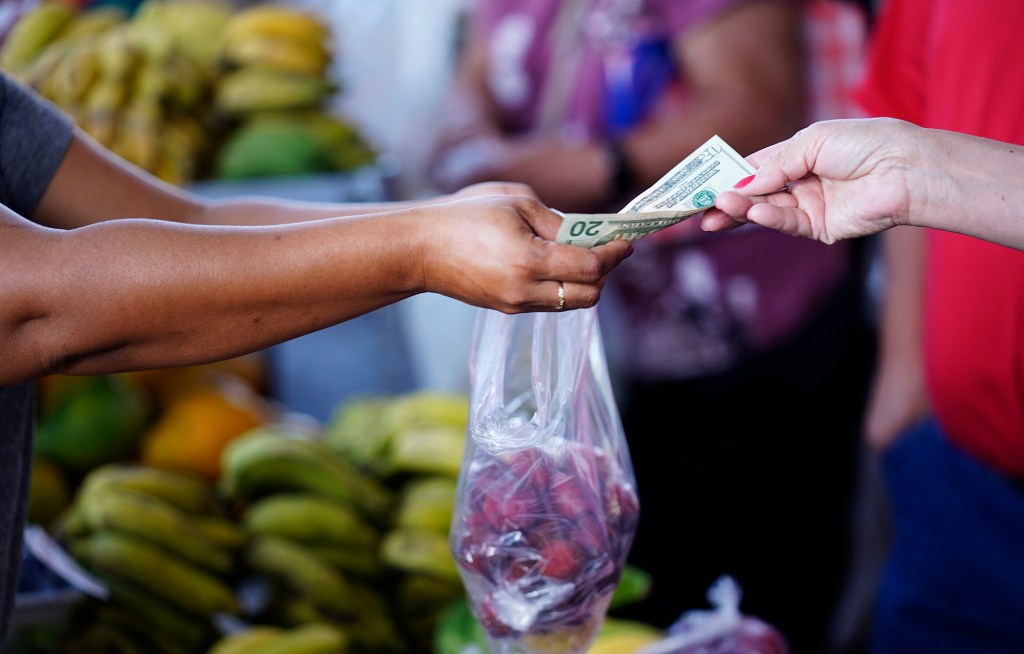
Among the already cut programs are a $46 million climate-focused farming initiative, a $1.8 million local food-purchasing agreement for schools and $5 million for a farmer-focused business center.
The climate project, which was still in its early stages, had started working with 30 farms — covering 4,000 acres — to bolster climate-friendly agriculture. Meanwhile, the local food program paid local farmers for their produce to integrate into school meals.
More than $110 million in potential cuts still loom, advocates say, which would combine to create an almost $200 million impact on food security and farming in Hawai‘i – more than 25% of the state’s agricultural economy.
That doesn’t include the threat of losing funds for U.S. Department of Agriculture initiatives such as the Supplemental Nutrition Assistance Program — formerly known as food stamps — that loom over the state’s entire food system, according to Amanda Shaw, food systems director at Agriculture Stewardship Hawaiʻi.
The council, which recently published a report on the federal cuts’ effects in Hawaiʻi, has been tracking the issue since early 2025, when USDA cuts and pauses started happening.
Now, Shaw is most concerned about federal funding for food banks and funding for feeding initiatives like SNAP. In a letter Friday, USDA warned states that it had insufficient funds to pay out SNAP benefits in November, which would pose a threat to about 160,000 Hawaiʻi beneficiaries.
The true cost of losing those funds will be more than the dollar amount and will have statewide ramifications, Shaw said, because every SNAP dollar has an economic multiplier effect.
The proposed cuts to SNAP represent a $1.3 billion threat to Hawai’i’s economy, according to a recent Hawaiʻi Appleseed report.
Food Banks Breaching Capacity
Demand for services at the Hawaiʻi Food Bank has surpassed what was felt during the height of the Covid-19 pandemic, as the institution faces diminishing support from the federal government, which comes in the form of funding and commodities.
The food bank has been preparing for an uptick in already increasing demand for its services as the federal shutdown and unpaid federal workers seek its services, which Miller said could mean about 16,000 more mouths to feed. Additionally, advocates are concerned about unpaid SNAP benefits adding to need statewide.
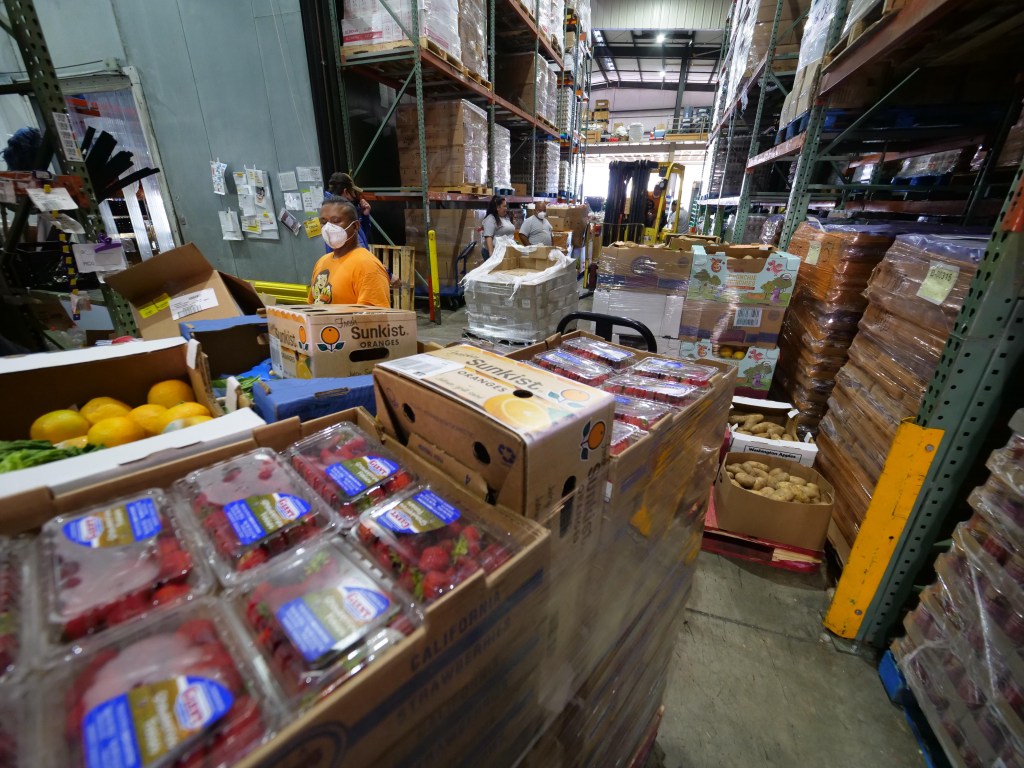
During the last quarter of this year, the food bank served 173,000 individuals, compared to 169,000 during the same period in 2021. In the third quarter of 2018, the bank reached 41,000 individuals.
“We’re in real, real trouble, even if the government opens up and people get backpay,” Miller told lawmakers. “I’m concerned about the ability of the food banks and the food network to manage this on our own. We just don’t have the capacity.”
The food bank has also lost about $4 million worth of food previously allocated to the bank every year, as part of a USDA program to bring commodities like eggs, chicken and pork to the islands.
The state recognized a need to fill federal holes earlier this year, passing the Farm to Families Act which gave $1 million to the food bank to buy from local farmers.

Sen. Mike Gabbard, agriculture committee chair, urged the food industry and advocates to communicate their needs to lawmakers so legislation could be created and funding could be allocated to try to alleviate the strain on their services. The next legislative session starts in January.
“The sooner you give us that information, the better we can help,” Gabbard said.
‘Farmers Can’t Bank On Hope’
The confluence of tariffs on imports, funding cuts and general uncertainty has had significant impacts on the agricultural sector too, which contributes 10%-20% of the state’s food supply.
Some of Hawaiʻis most lucrative crops have suffered despite anticipated benefits to products like Hawaiʻi-grown coffee, as imports became more expensive.
Kona-based coffee farmer Suzanne Shriner, representing the Synergistic Hawaiʻi Agriculture Council, said sales for green and roasted coffee from Hawaiʻi have dropped by 32%.
Meanwhile, the state agriculture department estimates it has lost about $22 million in funding for various projects, including solar power on Molokaʻi, farm-to-school programs and a biosecurity program. And, according to a report by Shaw’s agriculture council, 18% of Hawaiʻi-based USDA staff have left their jobs.
The current political climate, including funding channels, is fueling uncertainty among farmers who are actively delaying expansion plans and reducing hours for employees in response, according to Hawaiʻi Farmers Union advocacy director Hunter Heaivilin.
While some state officials are hopeful the USDA will resurrect some previously cut funding, farming and food advocates underscore the need for the state to step up.
“Farmers can’t bank on hope alone,” Heaivilin said. “If we believe agriculture is an important part of our future, we’re going to need to step up.”
“Hawai‘i Grown” is funded in part by grants from the Stupski Foundation, Ulupono Fund at the Hawai‘i Community Foundation and the Frost Family Foundation. Civil Beat’s reporting on economic inequality is supported by the Hawaiʻi Community Foundation as part of its work to build equity for all through the CHANGE Framework; and by the Cooke Foundation.

