

DHHL Severs Ties To Company That It Says Abandoned Homesteaders
Waimana Enterprises, founded by Al Hee, was hit with utility violations and previously got wrapped up in a fraud case.
The telecommunications company that provided broadband internet and telephone service to thousands of rural Hawaiian homesteaders across the state since the mid-1990s was stripped of its operating license Monday after years of service disruptions and other violations, including a federal fraud case that sent the company’s founder to prison.
Waimana Enterprises owes the Department of Hawaiian Home Lands more than $900,000 in unpaid license fees, according to a letter from the department sent in August. Last year one of its subsidiaries abruptly cut services to homesteaders.
Those are just the most recent violations of the company’s operating license. About a decade ago, Waimana and its affiliates “entered extended nonperformance and regulatory trouble,” land agent Andrew Sante told the Hawaiian Homes Commission.
The action is going to have little impact on customers, most of whom have already switched to other providers. But canceling the lease will allow the department to begin repairing and upgrading some of Waimana’s aging facilities and equipment.
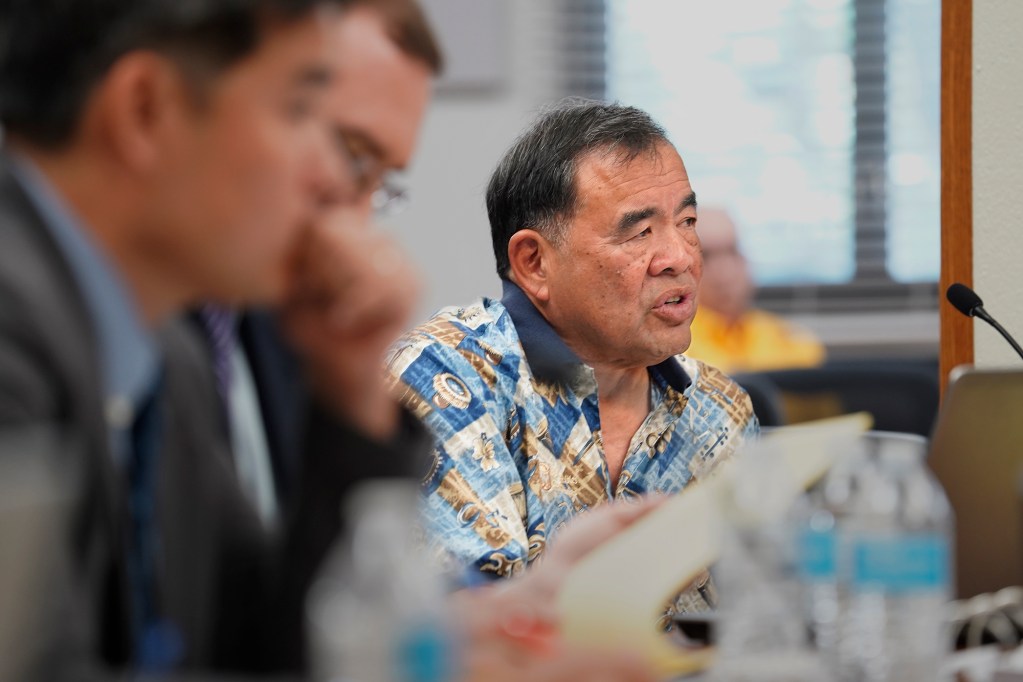
The commission, a nine-member board that oversees more than 200,000 acres of homelands, voted unanimously to revoke Waimana’s license. According to DHHL, Waimana also failed to comply with state utility regulators, violating state laws governing utility companies and failing to maintain infrastructure.
DHHL gave Waimana 60 days to comply with its licensing requirements back in August. That deadline expired Nov. 1.
Canceling Waimana’s license clears the way for the department to take possession of the company’s telecommunications property and equipment, all of which will be inspected for possible upgrades.
Much of the equipment has fallen into disrepair, director Kali Watson said. For example, a communications tower that services the Keaukaha homesteads on the Big Island has been rusting and likely needs repairs, Sante told commissioners.
Watson said the department still has access to $90 million in federal funding first approved under the Biden administration to pay for telecommunications upgrades on homestead lands. Those funds have not been frozen by the Trump administration, Watson said.
Watson described the situation with Waimana as unsalvageable. The company left the department scrambling to provide phone and internet service to more than 1,000 homesteads last year after one of its affiliates announced that it would be discontinuing service.
The commission also approved an interim plan to continue telecom services to homestead beneficiaries who relied on Waimana’s services by issuing temporary licenses to other service providers.
But almost all of the households that once used Waimana have already switched to companies like Hawaiian Telcom and Spectrum or other service providers. Some hard-to-reach homestead areas on the Big Island and Maui that aren’t served by those companies have used wireless hot spots provided by the department since last year.
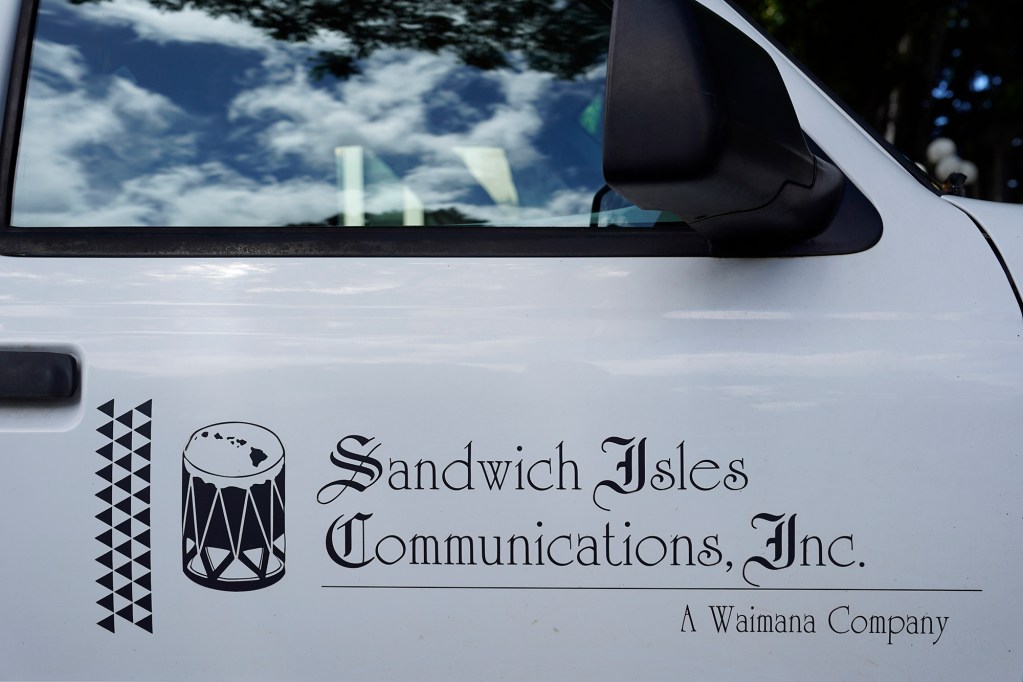
Calls placed to the listed phone numbers for Waimana and Sandwich Isles, a subsidiary that hosted phone service on homelands, were answered with error messages. William Meheula, Waimana’s lawyer, did not respond to a message seeking comment.
Waimana and its subsidiary companies sued DHHL in August, alleging —among other things — that allowing other phone and internet carriers to provide services to homesteads led to the financial ruin of the company. The plaintiffs have accused DHHL of breaching its contract with the Waimana companies.
The companies have made similar arguments to various federal and state judges, appellate courts and state regulators in various lawsuits and legal maneuvers. So far, they’ve lost on all fronts.
Waimana Enterprises and its subsidiaries have locked themselves in numerous legal battles in an effort to cling to their operations. Waimana was the brainchild of Albert Hee and was granted an exclusive license in 1995 to deliver phone and internet services to rural homestead communities being constructed at the time that were out of reach of other service providers.
Waimana formed Sandwich Isles Communications in 1996 to handle phone services. It also financed the Paniolo Cable Co., which laid down a submarine cable system and terrestrial fiber-optic lines collectively known as the Paniolo network.
Two other subsidiaries were also formed to handle wireless communication and internet service. All of it was financed through hundreds of millions of dollars in grants from the Federal Communications Commission.
But the FCC closed the spigot after it couldn’t determine how the subsidiaries were spending the money. In 2016, Hee was convicted of tax fraud and sentenced to 46 months in prison for diverting more than $2 million in company funds to pay for things like massages, a home in California, trips to Tahiti and Disney World, and his children’s college tuition.
Hawaiian Telcom bought the Paniolo network out of bankruptcy in 2020 and acquired conduits that house phone connections to homesteads last year out of a separate bankruptcy case involving Sandwich Isles after the company defaulted on more than $100 million worth of federal loans.
Despite the company’s financial troubles, federal and state regulators required the company to continue providing services.
The situation came to a head last year when Sandwich Isles announced that it would be abruptly cutting phone service to homesteads. Gov. Josh Green issued an emergency proclamation ordering Sandwich Isles to continue its services while the Public Utilities Commission began an inquiry into the company.
During hearings with the PUC, Hee said that Sandwich Isles had run out of money and admitted to violating state law when the company abruptly cut service. The commission ordered Sandwich Isles to continue services while it ported customers to other providers.
The Waimana companies’ most recent lawsuit against DHHL was served on the commissioners and the department on the same day as the commission’s August meeting. Hee apologized the next day and explained that the department’s outside attorney couldn’t be reached.
He also said that Sandwich Isles’ annual revenue totaled $60 million at one point and that the damages arising out of the lawsuit to Sandwich Isles and Waimana would be substantial.
He said he only agreed to take on the statewide telecommunications project because former director Hoaliku Drake asked him to.
“I didn’t do it for financial gain,” Hee said.

