Maui Council Looks To Fill Vacant Seat As Emotional Debate Begins
Members of the public and the council will have until Monday to nominate individuals to be considered for the seat previously held by the late Tasha Kama.
During an emotionally charged meeting, the Maui County Council on Monday began the process of determining who will fill the vacancy left by former Kahului council member Tasha Kama, who died Oct. 26.
The stakes are high for the council, which is split on major policy issues — especially Bill 9, Mayor Richard Bissen’s proposal to phase out several thousand vacation rentals to create more long-term housing for residents.
In a 5-3 vote, the council approved a process that gives members of the council and the public until noon on Monday to nominate individuals to be considered for the seat by turning in the proper paperwork with the Maui County Clerk. The council plans to then meet at 9 a.m., Nov. 20, to hear public testimony and consider the nominees.
The council has until Nov. 25 to appoint someone to the seat previously held by Kama, whose term was set to expire in January 2027. Under county charter rules, if council members do not fill the vacancy within 30 days, the power to choose a replacement is passed to the mayor.

Some expect it to be difficult for the divided council to reach a consensus before the deadline. Even agreeing on the process to get there proved challenging Monday.
While some dissenting council members favored a process by which only council members could nominate a replacement because they said it would make meeting their fast-approaching deadline easier, others said they felt uncomfortable gatekeeping the nomination process.
Councilwoman Keani Rawlins-Fernandez of Moloka‘i was among those who advocated for allowing residents to nominate themselves. Reaching out to a council member to inquire about being nominated could be intimidating, she said, and may prevent some qualified candidates from throwing their name into the ring.
“I’m very aware and mindful of how those power dynamics can oppress our people, and I don’t want to deny anyone the ability to be able to put their name forward,” she said. “There could be amazing people that we don’t know about living in that district who would do an amazing job, and I don’t want to deprive the district of Kahului and the rest of our county that opportunity to be represented by someone that we just don’t happen to know.”
She voted along with Nohelani U‘u-Hodgins of the North Shore, Tamara Paltin of West Maui, Shane Sinenci of East Maui and Gabe Johnson of Lānaʻi to approve that process, while members Tom Cook of South Maui, Alice Lee of Central Maui and Yuki Lei Sugimura of Upcountry voted against it.
Whoever is appointed to fill the vacancy left by Kama could potentially determine the fate of highly controversial legislation such as Bill 9, which council members in July voted 6-3 in favor of advancing out of the Housing and Land Use Subcommittee that Kama had chaired. Some of the most contentious details of Bill 9 have yet to be worked out, including what properties would be affected, and some council members only agreed to advance the legislation on the condition that the possible economic and social repercussions continue to be investigated.
During the final minutes of Monday’s meeting, an argument erupted between Lee, who has voiced concern about aspects of Bill 9 but voted in favor of it in committee, and some council members who support the legislation. Paltin criticized Lee for blindsiding her with a press release Sunday that said the council would not take up Bill 9 until it had all nine members again, hopefully in December.
“The process of scheduling meetings has not been democratic, transparent or fair,” Paltin said, adding that this is why prior chairs have lost that powerful position.
Lee fired back at Paltin and Rawlins-Fernandez, who requested that Lee schedule the next Bill 9 discussion for mid-November and refrain from making unilateral decisions without discussion with other council members. Lee said the council’s actions have been transparent.
“We need an open and fair discussion that is agendized,” she said, “and after eight years, I’m surprised you guys don’t know the process.”
The last time a sitting council member died was in 2002. When then-Council Chair Patrick Kawano died, the other members appointed former county clerk Danny Matteo to be his successor.
The council at the time agreed to an open nomination process where residents could fill out an application and nominate themselves, said David Raatz, who directs Maui’s council services office. Since then, new laws intended to promote increased government transparency have been adopted, and the council is required to make public more information about nominees before they meet to discuss the appointment, such as financial disclosure statements.
Who Could Be Appointed?
At least two names have emerged as likely candidates to fill the seat Kama has held since 2018.
Before her death, Kama asked the council to consider appointing Kauanoe Batangan, executive director of the Maui Metropolitan Planning Organization, to fill her seat, according to a statement her office released last week.
Other members of the community have suggested Navy veteran and longtime community organizer Carol Lee Kamekona, who was the runner-up to Kama in last year’s election, should be appointed.
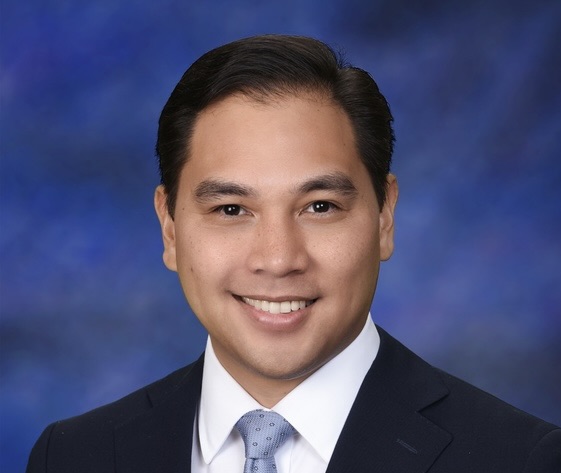
Kathy Fleming, a Wailuku resident, told council members Monday that the voters who elected Kama trusted her to choose her successor, so it would be anti-democratic to appoint anyone other than Batangan.
“I fear some council members will see her death as an opportunity to advance their own political agenda. This would be a morally bankrupt act,” she said.
Others who testified said the council should consider any qualified candidates.
Upcountry resident Stacey Alapai said it was important that the appointment process not hold up the council’s other duties, but she believed the public should be provided with a list of potential candidates and allowed to share their thoughts with council members before they come to a decision.
Batangan previously served in a number of other local and federal government positions, including deputy director of the county’s transportation department, a manager in the county’s Office of Recovery and a staff assistant to the late U.S. Sen. Daniel Akaka, according to the Maui Metropolitan Planning Organization website and Batangan’s LinkedIn profile. While Kama voted against advancing Bill 9 in July, Batangan’s stance on the legislation is unknown.
Last week, Batangan said in a statement that he and Kama had many discussions about their shared commitment to the people of Kahului, and he assured her before her death that he would be willing to be considered to fill her seat.
Batagan said in an email Monday he appreciated the council’s work to ensure a fair and transparent process.
“They have a difficult decision ahead and the public deserves the careful consideration they are putting into the appointment,” he said.

Kamekona, who announced last week her intent to run for the Kahului seat in next year’s election, declined on Monday to comment on whether she would be willing to be considered to fill the vacancy in the interim.
“In time, I will address that question,” she told Civil Beat, explaining that she wanted to be respectful to Kama’s family. “When the deadline comes on Nov. 10, it’ll be disclosed at that time.”
She said she announced her plans to run for the council last Thursday because that was her great-grandson’s first birthday, and that she had made that decision long before Kama’s death.
“The timing is unfortunate,” she said about her announcement coming shortly after Kama’s death. “The date that I chose is a special date for me… and when I worked with my campaign committee, we decided that we were going to start a little earlier so fundraising could happen for us.”
In her announcement stating her intent to run for council in 2026, Kamekona said she was an enthusiastic supporter of Bill 9, and she was in favor of acting on the legislation as soon as possible.
Civil Beat’s coverage of Maui County is supported in part by a grant from the Nuestro Futuro Foundation.