

Kauaʻi Renters Are Fighting A Hawaiian Homesteads Condo Project
The Department of Hawaiian Home Lands is being sued over a relocation plan residents say is inadequate.
Residents of an apartment complex on Kaua‘i who are being displaced by a Hawaiian homesteads project are having a tough time finding rentals on the small island with a lack of housing units.
The state Department of Hawaiian Home Lands bought the 82-unit Courtyards at Waipouli complex in October for $44 million to offer rental options for its beneficiaries on Kaua‘i who are at least 50% Native Hawaiian.
The first units are expected to become available in May. But that means hundreds of residents who aren’t Hawaiian or don’t meet the blood quantum requirement will need to move.
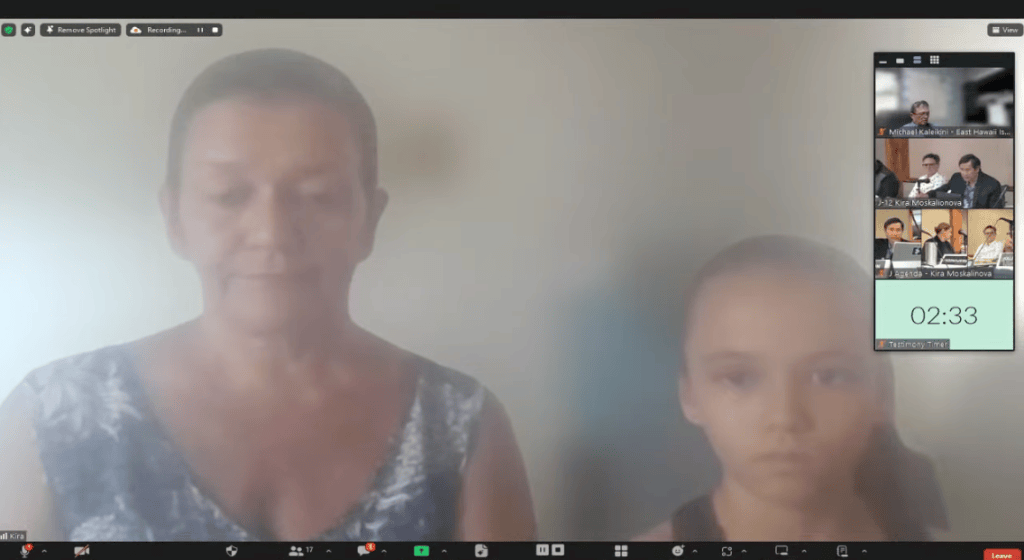
“We like your plan,” 10-year-old Waipouli resident Marina Moskalionova told the Hawaiian Homes Commission via Zoom on Tuesday. “But we need a place to go too.”
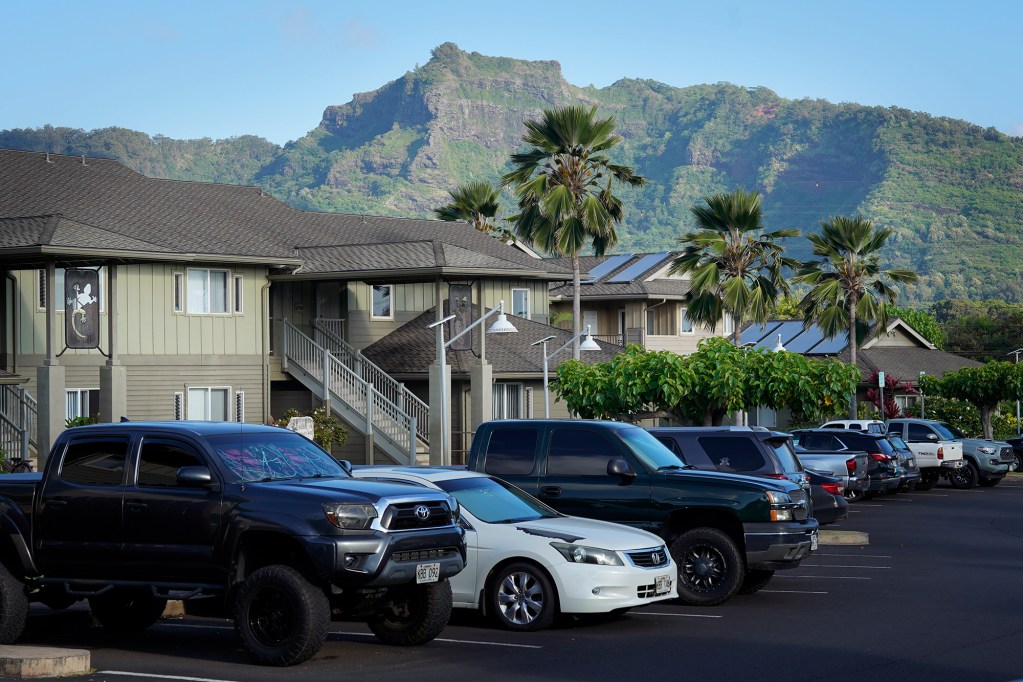
At least three residents have sued the department and are asking the courts to halt evictions until comparable housing units are identified. Prior relocation plans for tenants at the Waipouli condos listed rentals on Oʻahu and the Big Island.
The agency didn’t respond to a request for comment Wednesday. It hasn’t answered the complaints yet, according to court records. Under court rules, the due date for responses from DHHL in two of the cases won’t come until after the Jan. 1.
Waipouli residents have been testifying about the project since it was first proposed in early 2024. The rental project would give Hawaiian beneficiary lessees an option to purchase their units at the end of a 10-year term.
Eviction Notice Caused Confusion
As the current residents got ready to testify on Tuesday, DHHL Director Kali Watson, who chairs the commission, advised the commissioners not to ask follow-up questions or respond to the testifiers because of pending lawsuits.
The commission heard from Michelle Salas, who has lived in Waipouli for 14 years. She was surprised when her family found an eviction notice on Nov. 30 at the end of the Thanksgiving weekend telling her she had 90 days to move.
“It was a slap in the face,” she told Civil Beat after the hearing. “It was disrespectful. It was unprofessional.”

There was no listing of properties she and her family could relocate to, nor was there a packet explaining her relocation rights and benefits, all of which are required by federal law.
A day later on Dec. 1, another Waipouli resident sued the department, seeking to halt the relocation plan. That same day, Salas inquired with the company that initially handled the Kauaʻi relocation for the state. On Friday, she received another letter rescinding the 90-day eviction notice.
Salas sued the department, Director Kali Watson, and consultants working on the project seeking to halt evictions like hers until the department identifies comparable replacement housing. Salas believes the department would have gone through with the eviction if not for the legal challenges brought against it.
Kira Moskalionova was lucky to find a unit at Waipouli at all.
She moved to Waipouli in September 2024 and previously struggled to find a place to live after her rental in Princeville was sold. She currently pays about $2,500 for a one-bedroom at Waipouli, but recently started looking for a new home again after learning about DHHL’s plans to buy the condos.
Moskalionova needs to stay in close proximity to Wilcox Medical Center in Līhuʻe for a medical condition, and she said her daughter goes to school in Līhuʻe.
She checks listings daily, and has visited a few properties listed in relocation plans but found they were in worse condition than advertised or were actually vacation rentals.
“I don’t know where we would go,” she told Civil Beat. “I’m just praying, literally, that we would not have to move.”
‘Don’t Feel Too Bad’
Even the relocation plan acknowledges how hard it could be to find housing on the island.
The plan calls for serving the 90-day notices in batches of five households at a time as to not overload the housing market “due to the difficulty of finding comparable replacement dwellings in the area.”
There’s currently $1.9 million allocated for the relocation of the 49 households living at Waipouli. That figure is subject to change pending the actual relocation costs. Tenants are entitled to 42 months of rental assistance with a maximum amount of about $9,500 in addition to moving costs.
However, because of the difficulty finding comparable housing, the plan anticipates exceeding that amount in some cases. Whether the state would still need to pay for residents who need to relocate to other islands is not clear.
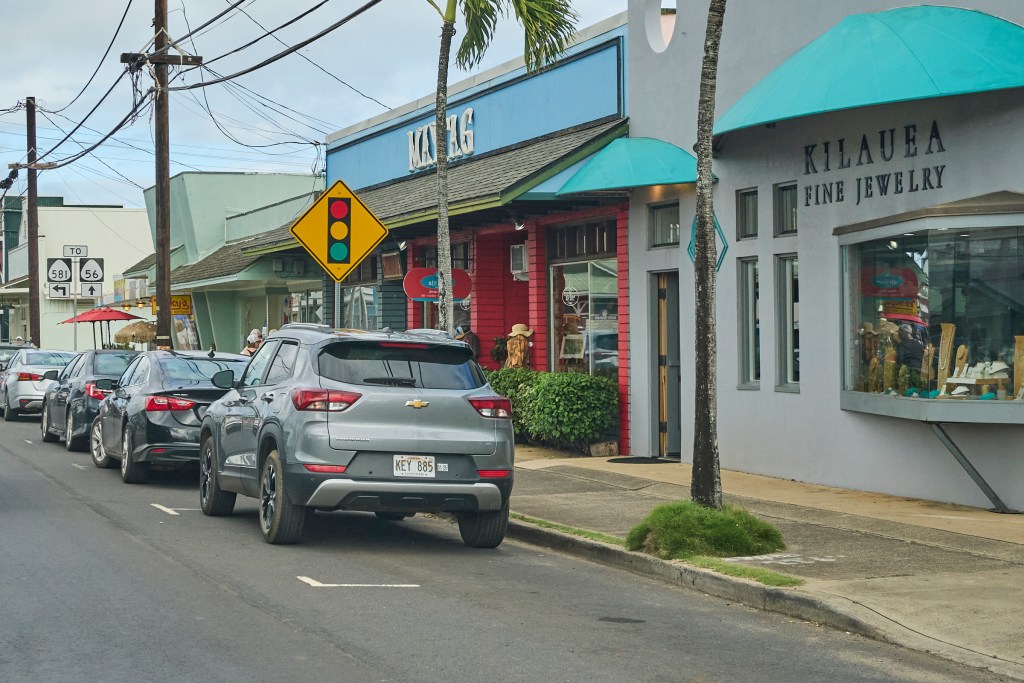
A previous draft of the relocation plan listed rental properties on O‘ahu and the Big Island even though a survey of residents found that a majority of tenants wanted to stay on the island.
The latest draft from October includes rentals located in Kapaʻa and Līhuʻe although some are much farther, in Waimea and Kekaha to the west and Kīlauea to the north.
The plan notes that a new development called Uahi Ridge is expected to open in Līhuʻe during the summer of 2026. The first phase will include 96 units. But, they come with income limits of 60% of the area median income. For a family of four, that’s $91,200, or $63,900 for a single filer.
Residents worry that the income limits for those units and others like it will disqualify gap-income workers who earn the median wage.
Melissa Mann, a project manager who worked on the plan with relocation consultant Cadence 19, declined to be interviewed and referred questions to DHHL.
Relocations are anticipated to take place over the next year and a half, according to Craig Watase, whose company, Mark Development, is DHHL’s property manager for the rental project.
Christian O’Connor, a financial consultant speaking at an orientation meeting on Kaua‘i in November, said the department “asked us to be as gentle as possible” with the relocations.
“The folks who are there, we are going to do our very best to take care of everyone,” O’Connor said.
Watase chimed in saying the tenants are receiving “generous” relocation packages.
“So don’t feel too bad,” he told the room full of potential lessees who may be moving into the Waipouli condos.
Is The Budget Big Enough?
Lourdes Torres, one of the current Waipouli residents, believes the benefits package is inadequate and is suing the department to halt the relocation plan until it can be revised to include an expanded budget and identify adequate housing units.
Her lawsuit cites a report from a real estate expert, who also lives at Waipouli, that estimates the relocation budget should actually be around $6 million. Moving costs and rental prices are likely going to be much higher than consultants estimated, according to the analysis by Linda Twitchell, a former executive at appraisal firm Marshall & Swift.
The Torres lawsuit also cites an analysis by the nonprofit Hawai‘i Housing Policy Foundation that looked into the 50 properties listed in the relocation plan. It found that 23 units were no longer listed or were being sold, at least seven didn’t list a contact number or address and nine had a waitlist of more than a year and were prioritizing voucher recipients for low income housing.
Many residents are hoping the Kauaʻi County Council will step in after it held hearings on the project in January.
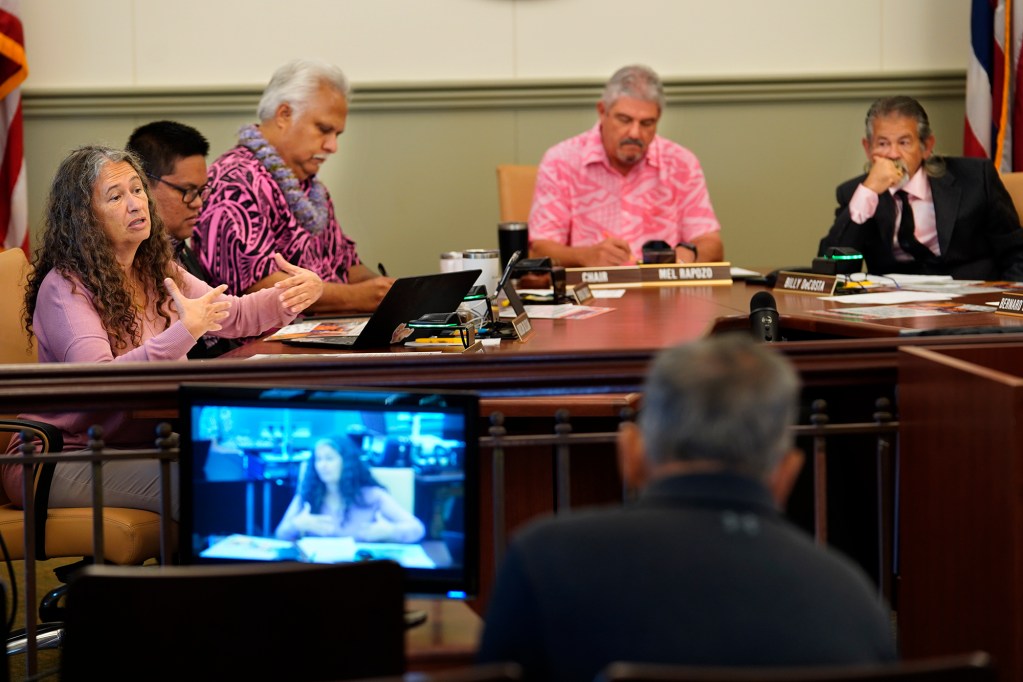
Mel Rapozo, council chair, didn’t respond to messages seeking comment for this story. But in a letter to the U.S. Department of Housing and Urban Development in February, he said he was deeply concerned with the relocation plan and whether all the households being displaced could be housed. He also urged HUD to increase funding for the relocation plan, saying that $1.9 million was insufficient.
“Without significant adjustments and increased financial support, the risk of displacement and homelessness is very real,” he wrote.
In a written statement, Mayor Derek Kawakami said he is encouraged that the homes in Waipouli will stay at affordable rates for DHHL beneficiaries and that the department is assisting residents in the transition process.
Residents may have had to move out no matter what happened with the DHHL project. The former owner of the complex indicated that he planned to convert the units, originally built as affordable housing in the 1980s, to short-term vacation rentals.
Moskalionova, the Waipouli resident, hopes she won’t need to move yet. She shares her one-bedroom unit with her daughter, 10-year-old Marina.
“She has roots here. Her roots are being disturbed,” Kira said of her daughter, whose father and his family are from Niʻihau.
She said her daughter meets the 50% blood quantum required for the homelands waitlist. Civil Beat confirmed that at least one other Kaua‘i waitlister is also a Waipouli resident.
If the project proceeds, both would need to relocate; the resident is far down the Kauaʻi waitlist, and Marina has eight years before she’ll be eligible to apply for a spot on the list herself.
Civil Beat’s reporting on Kauaʻi is supported in part by a grant from the G. N. Wilcox Trust.

