Deputy Sheriffs Are Beefing Up Hawaiʻi Traffic Enforcement
After a 20% surge in highway deaths last year, deputies will help crack down on speeding in school zones on weekdays and drunken driving on weekends.
Teams of deputy sheriffs will soon be on the road statewide to help Honolulu and neighbor island police with traffic enforcement after the number of traffic deaths on Hawaiʻi roadways increased again last year.
State sheriff’s deputies traditionally do not focus on traffic enforcement, but state Transportation Director Ed Sniffen told Civil Beat his department has committed $2 million in federal highway safety funding to pay overtime for deputies to work on the traffic crackdown.
Traffic deaths statewide surged to 129 last year, a 20% increase from the previous year and the highest number of fatalities since 2007. Those deaths included 40 occupants of motor vehicles, 39 motorcycle or motor scooter riders, and 38 pedestrians.
Sniffen said 90% of the fatalities last year were caused by what he called “user error,” including speeding, driving while intoxicated and distracted driving.
“We see that the biggest thing that we can do immediately to stem these fatalities is increase enforcement,” he said. “I don’t see any other way other than enforcement at this time to get those numbers down fast.”
Traffic deaths increased by 10% in 2024, totaling 102 deaths that year.
Mike Lambert, director of the state Department of Law Enforcement, told lawmakers earlier this month the sheriff’s deputies will be deployed according to a “data-driven plan.”
“We’re going to focus around schools during the day for speeding, distracted driving and whatnot, and then on the weekends and evenings it’s speeding and DUI,” he said, referring to driving under the influence of alcohol or drugs. Distracted driving includes the use of cellphones while driving.
“So if you guys are aware of complaints of speeding, particularly near schools or state buildings, please reach out to us or the DOT and we can go ahead and work on that,” Lambert told members of the House Finance Committee.
Getting Started
Traditionally Hawaiʻi sheriff’s deputies have conducted only limited traffic enforcement activities, usually in areas where they already operate such state courthouses, the State Capitol, airports and harbors.
But the department has been talking about deploying deputies for traffic enforcement activities in more areas for at least the past year, and Sniffen said deputies finally began that more focused traffic enforcement work in late December.
The department is starting off with two teams that consist of five officers each on Oʻahu, Sniffen said.
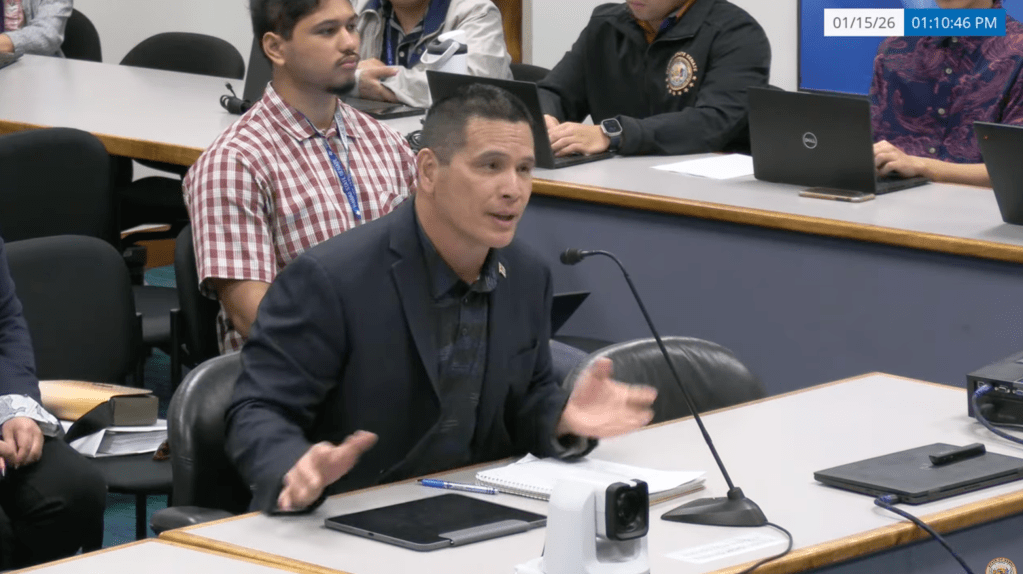
Lambert said DLE will coordinate with county police departments to ensure officers and deputies do not interfere with each others’ operations. “Our job is to supplement and support the county,” he said.
David Patterson, public information officer for the DLE, said in a written statement that the department spent last year establishing “strong supportive partnerships” with Honolulu police, and plans to work with neighbor island police chiefs this year “to see where we can supplement and support their priorities.”
The Sheriff Division has limited staff, and the state Judiciary has been pressing DLE to assign more deputies to its facilities. But Lambert told lawmakers earlier this month 136 out of 490 Sheriff Division positions are vacant. Lambert wants to boost deputies’ pay to help with recruitment.
Lambert said the traffic enforcement program will operate with existing personnel, and the DLE statement said deputies on the traffic teams will be paid overtime for their additional traffic enforcement duties. That means “it will not remove personnel in existing roles,” according to the statement.
When asked how long the sheriff’s traffic enforcement efforts will last, Sniffen replied: “It’s going to last as long as we need it to. If we see it’s successful, if we see the numbers plummet immediately, if we see the longer use of sheriffs in our system is working, we’ll fund it.”