Hawaiʻi Volcano: Neighborhoods Still Littered With Ash And Debris
The Pāhoa Aquatic Center remains closed and communities are still cleaning up.
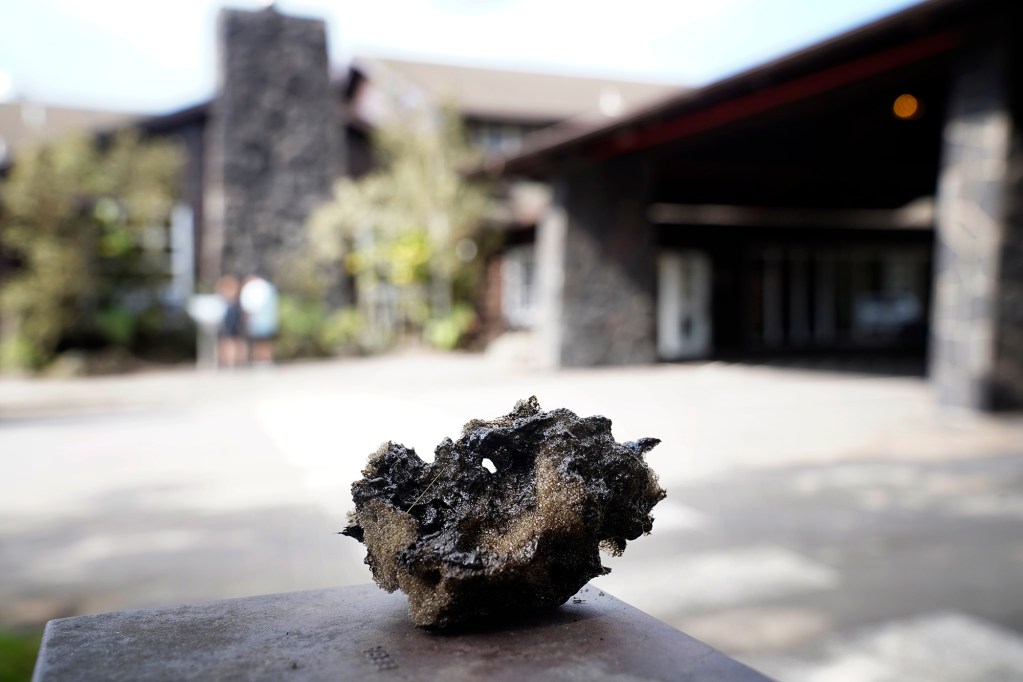
In the neighborhoods near the Kīlauea volcano, volcanic debris crushes under foot and car, crunching with every step. The 41st episode of the Big Island’s latest eruption threw ash and tephra, a general word for volcanic debris, thousands of feet in the air and the Kona winds sent it as far as Hilo over 20 miles away.
It is the first time a debris and ashfall like this has happened in over 1,000 years, said Don Swanson, a long-time geologist with the U.S. Geological Survey. Nearly two weeks later, the areas surrounding the volcano are still in clean-up mode.
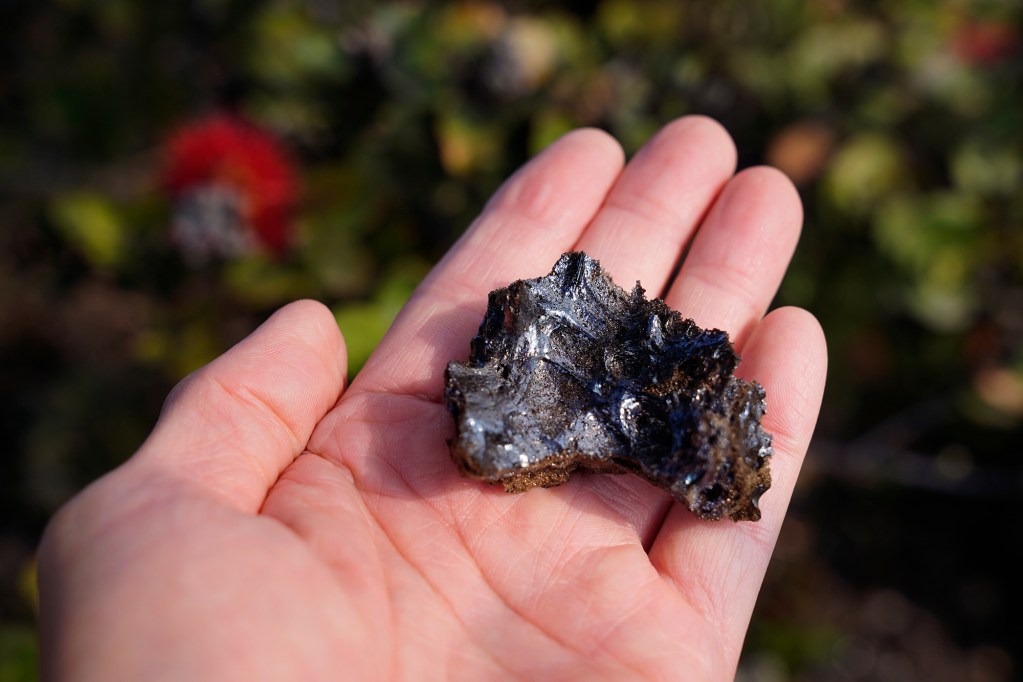
Some complain the county should have done more to help residents clear debris and warn them about potential health impacts. Pele’s hair — the thin golden fibers of volcanic glass named after the Hawaiian goddess — and crushed volcanic shards can irritate and damage the respiratory system and eyes. Much of the community’s concern is for kūpuna, who may not have the ability to clean their roofs or the money to hire someone to do it for them.
Hawaiʻi island resident Bobby Camara said the event should have been treated like a natural disaster. He’s been posting on Facebook and messaging county officials asking them to do more.
“Where are the boom trucks? Where’s the water tankers? Where are the free masks at Cooper Center? Where is anything?” Camara asked.
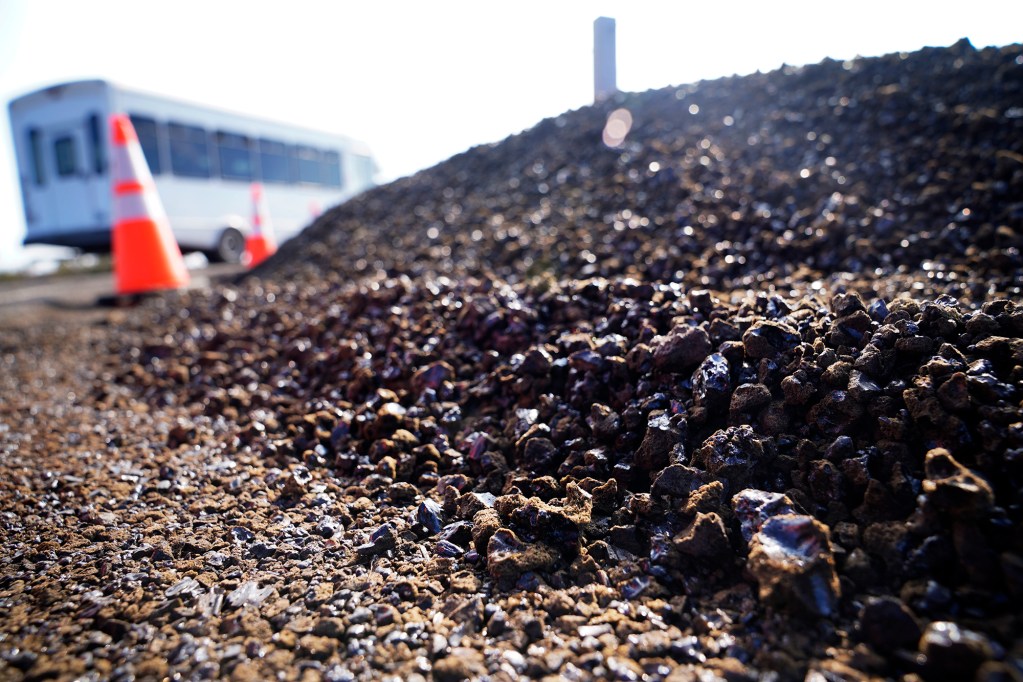
While roads have been mostly cleared of the crushed rocks, tephra and Pele’s hair lingers on roofs. It’s clogging water catchment systems and littering public pools and school playgrounds. In Hawaiʻi Volcanoes National Park, piles of tephra cleared from the road sit in parking lots and on the side of the road. Visitors trample across it on trails.
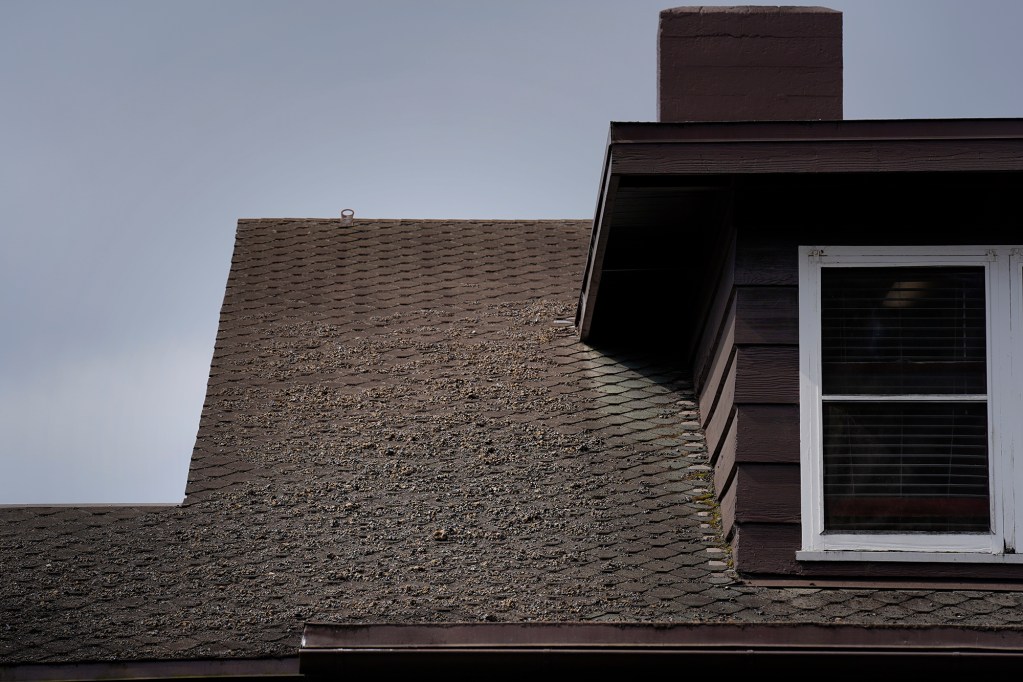
The county closed Pāhoa Aquatic Center because tephra and Pele’s hair is continuously blowing in the pool. The Kamehameha Schools Keaʻau preschool had to cancel recess and outside activities for a day because of concerns of airborne debris.
“We continue to monitor conditions closely, clean surfaces as necessary and will take any additional steps needed to keep our keiki, kumu, staff and families safe,” a spokesperson for the school said in a statement.
The national park closed during the ashfall on Jan. 24 and opened the next day. But east Crater Rim Drive remained closed for several days for cleanup. Hawaiian Airlines canceled flights because of soot and ash on the ground, according to Hawaiʻi News Now.
The county is coordinating with nonprofit groups to respond to requests for assistance, Bill Hanson, Civil Defense Administrative Officer, said in a statement. The county doesn’t have plans to remove tephra piles from private property.
“Tephra is natural material and as such naturally breaks down over time and with exposure and eventually gets re-absorbed into nature,” Hanson said.
But Swanson, the geologist, said it could take up to a thousand years for soil to absorb Pele’s hair and other debris.
It’s challenging to respond to a situation that hasn’t happened in living memory, Swanson said, estimating that the last time an ash and debris fall like this happened was between 1,000 and 2,300 years ago. Smaller tephra falls occurred during earlier episodes in 2025, 1985 and a few hundred years ago. But Swanson said it was nothing like this most recent eruption.
“In terms of breathing, (previous eruptions) probably weren’t as hazardous,” he said.
Camara said he’s worried residents may be cleaning up their own roofs and yards without proper protective gear.
The county issued a warning during the ashfall, telling residents to “consider wearing safety glasses and dust masks when in contact with ash.” It also told residents to disconnect gutters from water tanks until debris could be removed. The Hawaiʻi County Civil Defense Agency has links on its website for guides on impacts of ash and how to protect yourself from inhaling or ingesting ash from water systems.
But Camara says it’s not enough. And he said the way the county has been describing it — as an ashfall — obscures the reality of what fell two weeks ago.
Ash did fall, but so did tephra, including Pele’s hair, reticulite and pumice — volcanic glass, Swanson said. In large chunks it is not hazardous. But when they are light and fragile, as is the case for much of the debris littering roads, roofs, yards and trails, they can be crushed into tiny shards of glass.
Civil Beat’s coverage of environmental issues on Hawaiʻi island is supported in part by a grant from the Dorrance Family Foundation; coverage of climate change and the environment is supported by The Healy Foundation, the Marisla Fund of the Hawai‘i Community Foundation and the Frost Family Foundation.