‘Tough Times’: Honolulu Mayor Wants To Cut $50 Million For Vacant Jobs
After years of budget increases as the city emerged from the pandemic, this year the mayor proposed a lower budget than last year’s.
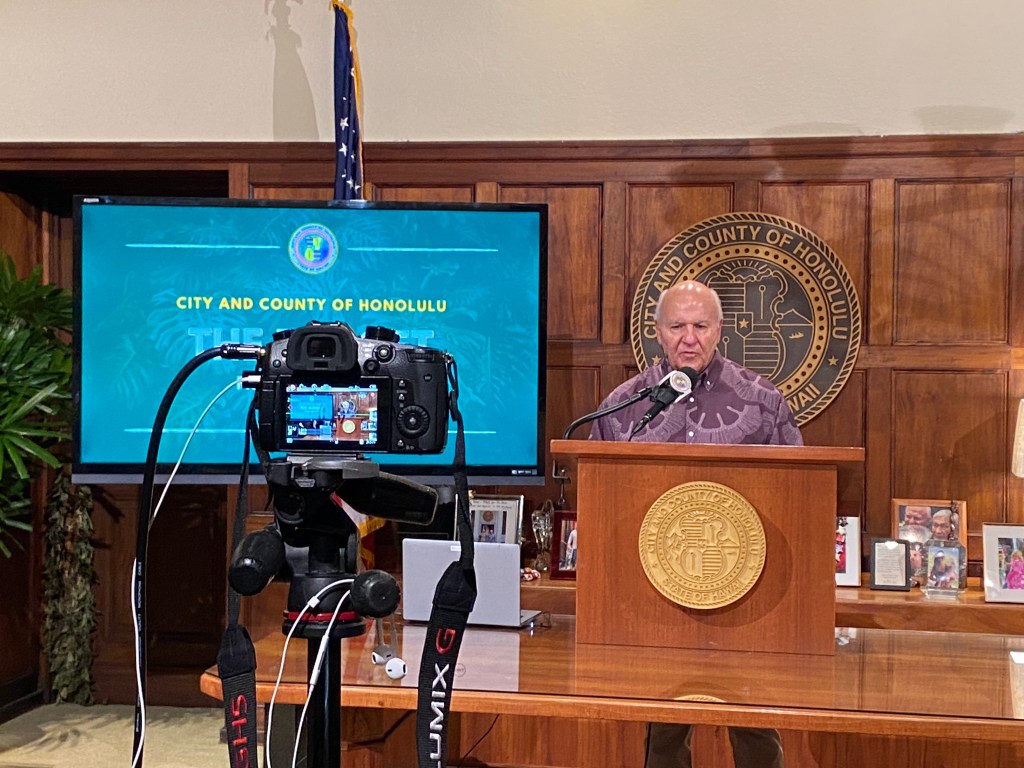
Honolulu Mayor Rick Blangiardi proposed a budget of just over $5 billion for the upcoming year on Tuesday, easing tight finances by cutting $50 million set aside for vacant positions.
Filling those positions has been a cornerstone of Blangiardi’s mayoral agenda, and while officials had raised the prospect of reducing that funding in the past, he had been reluctant to do so. Now, he said, it’s time.
“This is just smart,” Blangiardi said. “It’s just understanding the reality of our workforce.”
The mayor stressed that the city needs to be more efficient with resources as revenue streams stagnate. The real estate boom coming out of the Covid-19 pandemic that boosted property tax revenue has slowed. Federal money isn’t as plentiful for local governments now that pandemic-era stimulus packages have run out and President Donald Trump has slashed funding for state and local governments.
It’s also possible Honolulu’s high cost of living will climb even higher, city budget director Andy Kawano said, given world events such as Trump’s attack on Iran and its ripple effects on things like energy prices. While Trump said oil prices could go down after a temporary period of higher prices, Kawano suggested inflation could rise to 6% or 7% per year.
Adding to that, new union contracts and some that are nearly complete will lock in another $55 million per year on average for raises.
“We’re in tough times right now,” Kawano said.
The city has a roughly 20% vacancy rate across its more than 10,000 positions. Filling those positions has been one of the mayor’s priorities since early in his first term when he realized the chronic vacancies in many departments would hamper his ability to get things done.
“Our intent a few years ago was to fill as many of the positions we can to provide services on a more responsive and responsible basis,” Kawano said. “However, we’ve learned that we’re always going to have some vacancies.”
On Tuesday, Blangiardi sought to assure the public that the change of plans won’t mean any reduction in services. Money directed toward vacant positions goes unspent every year when those positions aren’t filled, he said, and this proposed redirection means the money can actually be used to fund essential services.
“We are running at full speed,” he said. “We’re not pulling back. I want to emphasize: This is more with less.”
Where Those Cutbacks Could Come
All departments would lose vacant position funding in the proposal, according to Kawano, which must be approved by the council.
Some of the hardest to fill positions have been engineers and police officers. Blangiardi had signaled his change of heart recently during his office’s weekly One Oʻahu podcast, saying that perhaps not all of the police department’s hundreds of vacant positions need to be filled for them to operate at full capacity.
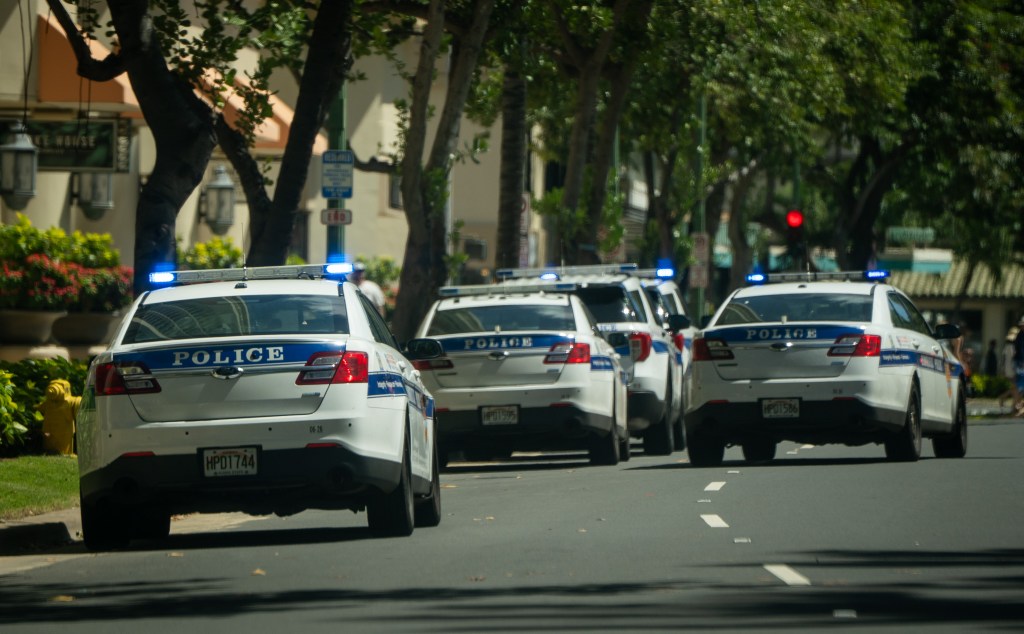
He repeated that at Tuesday’s press conference, although he hasn’t taken a firm position on the future of the police openings yet. He added that departments are still aggressively recruiting despite the cut in funding for vacant positions.
City Council Chair Tommy Waters has in the past pitched cutting vacant positions to free up funding for other council priorities. Administration officials had responded that would not be ideal because it takes a lot of administrative work to restore positions lost.
In the current proposal, the positions would still exist in a technical sense, Kawano said, they just won’t have money accompanying them. That could present a problem only if a lot of the vacant positions get filled at one time.
Waters declined to comment for now, council spokesperson Aron Dote said.
Where Money Is Proposed To Be Spent
The mayor’s proposed budget includes $3.97 billion for regular operating expenses and $1.11 billion for construction projects.
The administration plans to beef up its homelessness services by adding a second location to its Homeless Outreach and Navigation for Unsheltered Persons (HONU) program at a cost of roughly $4.7 million.
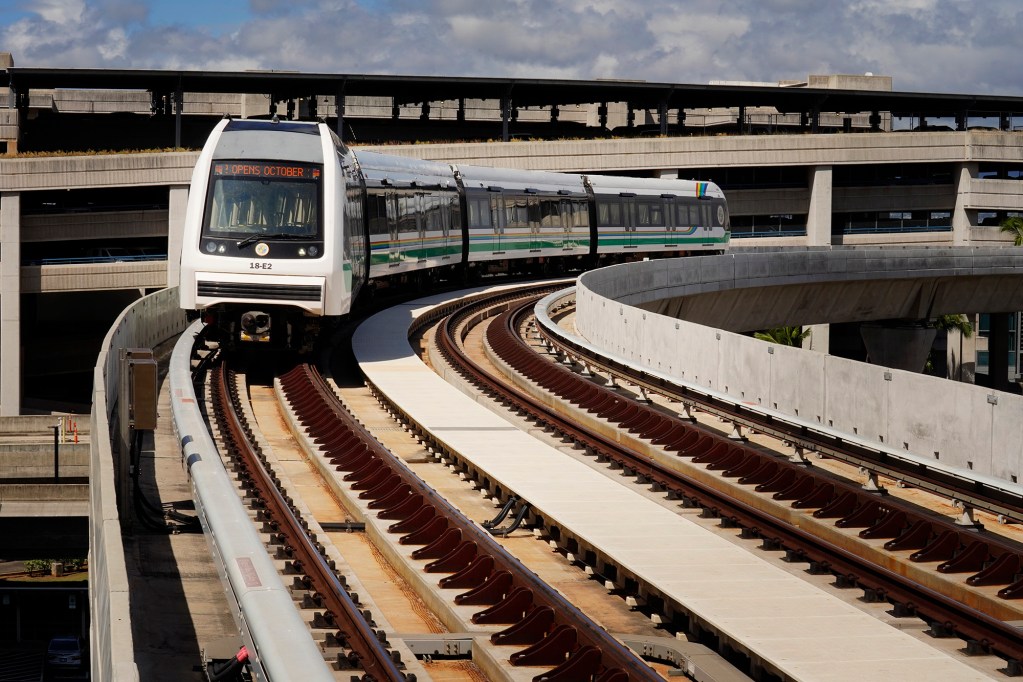
Transportation looms large. The city is spending a little over $120 million to operate its Skyline rail system, which opened its second segment in October and now connects to the airport. The goal is to double ridership by the end of the year from 12,000 per day to 25,000. About $35 million also is budgeted for new buses and handi-vans, with about $22 million of that expected to come from federal grants.
Affordable mixed-use housing development would receive $100 million, and almost $27 million would go toward renovating or developing low-income affordable housing. The mayor is also budgeting $4 million to incentivize the construction of low-rise affordable rental housing through its Bill 7 program, which council members are tinkering with in response to slow development and frustrated neighbors who oppose some of the projects.
Parks would benefit from roughly $80 million in capital improvement funds and the mayor budgeted $4.5 million for security guards at various parks.
Although most of the city’s revenue streams are expected to be flat compared to last year, one big increase is an extra $35 million each year in sewer fees. That money represents about one-tenth of the funds this year going toward upgrading the sewer system to meet federal requirements.