Iwi Kūpuna Desecrated During Lahaina Fire Cleanup, Lawsuit Says
A family is suing a Maui landowner and the state for not protecting Native Hawaiian remains as required by law.
State officials failed to protect a Native Hawaiian family’s ancestral burial ground that was exposed by the 2023 Lahaina wildfire and did not act when a prominent local landowner further desecrated the remains by using heavy machinery to excavate the property, according to a lawsuit filed this month.
The Kimokeo family has cared for and protected the bones of its ancestors in an area that eventually became known as the Mill Camp neighborhood of Lahaina since at least the mid-1800s, according to lawyers for the family. This constitutionally protected practice, known as mālama iwi kūpuna, is sacred to many Native Hawaiians, who believe that it is their responsibility to ensure their ancestors’ remains are not disturbed so that they can continue to rest and nourish the land.
It’s an issue that plays out statewide. Last year, three sets of Native Hawaiian skeletal remains were uncovered and later pulverized by an excavator during the installation of a septic system on Oʻahu’s North Shore.
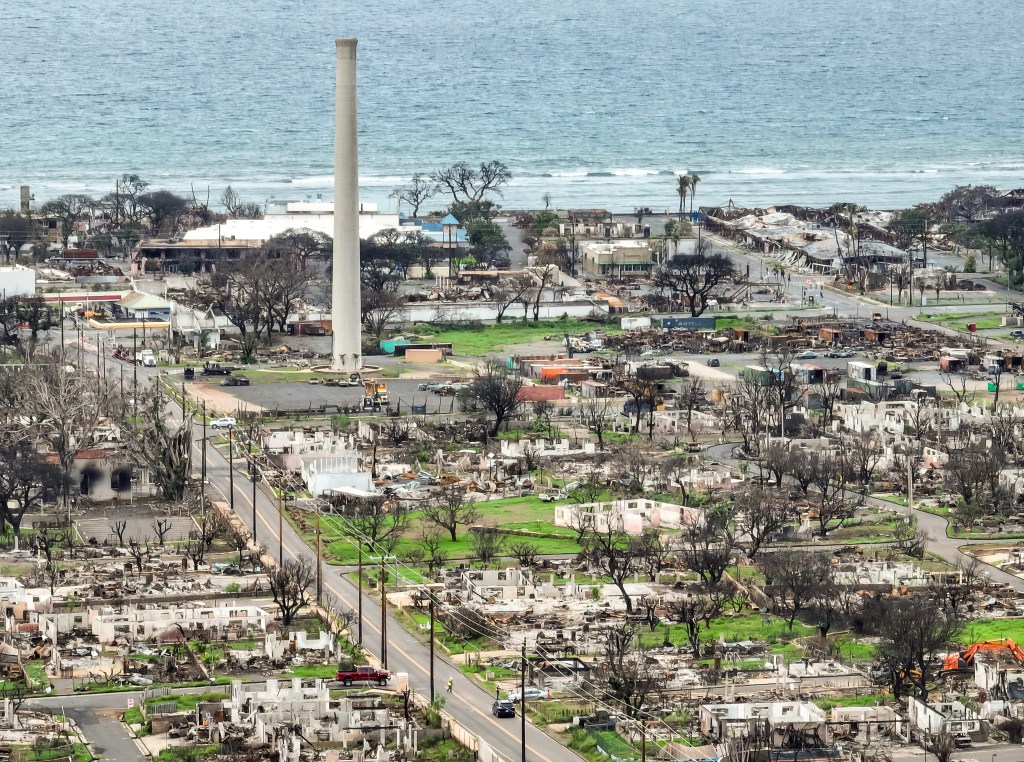
After the Lahaina fire, federal officials advised Brian Acason, who owns much of the undeveloped property where the burial ground sits, that ground-altering activity in the area must be done by hand to protect the remains, according to court records. Still, Acason authorized landscaping and heavy machinery excavation by neighbors and a contractor who desecrated approximately 90% of the remains, the lawsuit says.
The family is now suing Acason for knowingly violating the state’s historic preservation laws, as well as the state for failing to uphold its responsibility to properly register the remains or investigate Acason’s misconduct, the lawsuit says. Acason should be required to pay civil penalties and damages for his violations, according to the lawsuit. In addition, all future construction, landscaping and any other ground-altering activities in the area should be prohibited until state officials investigate the desecration, formally register all known burial sites and develop a treatment and protection plan for the ancestral remains.
Acason declined to comment Tuesday.
When previously undiscovered remains were exposed by the 2023 blaze, ʻOhana Kimokeo documented the burial sites and applied to register them through the State Historic Preservation Division, according to a statement from the Native Hawaiian Legal Corporation, which is representing the family. After they learned that Acason had authorized activities that damaged the remains, they took steps to properly report the incidents and protect the burial ground from further desecration, according to the statement provided by lawyer and litigation director Kirsha Durante.
“ʻOhana Kimokeo has done everything right,” the statement says. “Despite more than a year of good-faith effort, SHPD has failed to act — leaving iwi kūpuna and their lineal descendants to suffer the consequences. This lawsuit is about accountability and ensuring that Hawaiʻi’s historic preservation laws mean something.”
Officials from SHPD and the Department of Land and Natural Resources had not received information about the lawsuit as of last week, according to DLNR spokesperson Andrew Laurence.
“The protection of iwi kūpuna is not a bureaucratic formality. It is a sacred obligation, and the law demands that it be treated as such,” according to a blog post on the Native Hawaiian Legal Corporation’s website. “ʻOhana Kimokeo hopes that with this action, there is a pono resolution that allows for restoration and continued ongoing care for all the iwi on the property.”
ʻTheir Iwi Need The Courts To Help’
The Kimokeo family, whose roots on Maui can be traced back more than 200 years, has cared for and protected iwi kūpuna in Lahaina ever since their ancestors were awarded land during the Great Māhele in the mid-1800s, according to the lawsuit. For generations, the family has told stories about burying their ancestors on this land, where pōhaku or large stones, ʻiliʻili or pebbles and coconut trees have been used as burial markers, the lawsuit says.
While the family continues to own property in this area, the majority of the property that the government awarded them was divided into smaller parcels and auctioned off to Pioneer Mill Co. and other owners in the early 1900s, according to the lawsuit. Acason purchased undeveloped land from the sugar company in 2014 with knowledge of the burial sites, the lawsuit says.
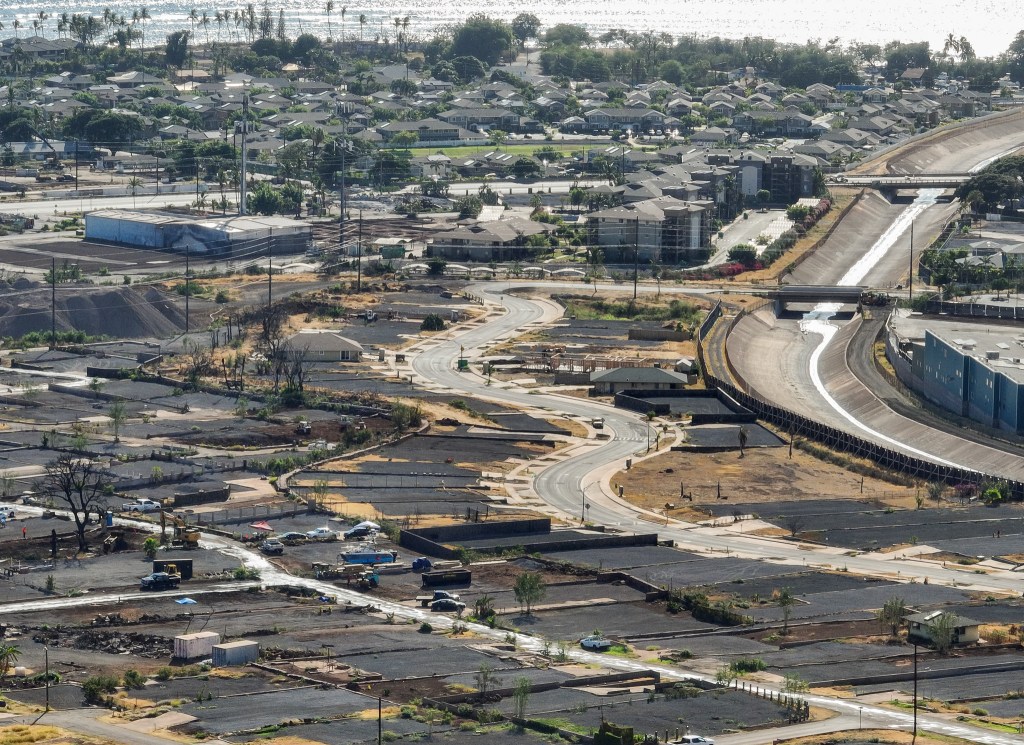
The iwi kūpuna were officially registered with the historic preservation division in 2018, according to the lawsuit, and the family has continuously cared for the remains ever since.
In August 2023, the Lahaina wildfire exposed several burial sites that had previously been obscured by vegetation. The family applied to register the remains with the state the following year, but the historic preservation division has not formally acknowledged the request, according to the family’s lawyers.
“These newly uncovered burial sites were carefully photographed, documented, and marked,” according to the Native Hawaiian Legal Corporation’s blog post, and federal archeologists informed Acason that machine excavation was prohibited on the property to protect the remains.
However, Acason still hired Chops Handywork to clear the property using a machine excavator in January of last year, according to the lawsuit. While he told the contractor to avoid the burial sites that had been identified before the fire, he did not mention the newly discovered remains or monitor the excavation to ensure no remains were harmed, the lawsuit says.
The next day, Michael Arcangel, a member of the Kimokeo family, discovered heavy machinery tire tracks running across the property, the lawsuit says, and there was a large pile of stones and blue flags that his ancestors and archaeologists had used to mark burial sites.
After an investigation, state officials from the Division of Conservation and Resources Enforcement concluded that Acason, by authorizing the use of heavy machinery to excavate the property, had desecrated ancestral remains, according to the lawsuit, and representatives from ʻOhana Kimokeo over the next several months sought guidance from the Maui Lānaʻi Island Burial Council, which oversees the protection of iwi kūpuna and identifies lineal descendents, and the state Board of Land and Natural Resources.
Still, state officials have not taken action in response to the incident, according to lawyers for the family.
Last month, Arcangel observed Acason’s neighbors planting 5-foot papaya trees in the same area as the burial sites discovered after the fire, further disturbing the remains, the lawsuit says. When questioned, the neighbors told Arcangel that Acason had given them permission to plant the trees on the property, according to the lawsuit.
“At this point, ʻOhana Kimokeo and their iwi need the courts to help,” lawyers wrote in the blog post.
Scott Fisher, who chairs the Maui Lānaʻi Island Burial Council, said the circumstances outlined in the lawsuit were fairly unusual.
“Burials are frequently uncovered in the context of development, and so the fact that, as they were trying to rectify and remove debris, burials have been found is not in and of itself surprising,” he said. “But this is something that has not really ever happened, or if it does happen, it happens very infrequently.”
Typically, when developers disturb ancestral remains, it is unintentional or because they were unaware of the terms of an existing burial treatment plan, Fisher said.
“It’s hard to even convey the absolute importance and significance of iwi to these families. It’s an incredibly painful situation when iwi are disturbed,” he said.
Meeting a property owner who dismisses the connection many Native Hawaiians feel with their family’s ancestral remains would be exceptionally rare, he said.
“Personally, I’ve never seen an instance where iwi were intentionally harmed,” Fisher said, adding that when developers unintentionally disturb burial sites, “those individuals generally feel deep, deep remorse for that.”