

Kaua‘i Mayor’s $504 Million Budget Prioritizes Housing, Infrastructure
The proposed spending plan continues Mayor Derek Kawakami’s long-term focus on road resurfacing, bridge repairs and parks improvements.
Kaua‘i County is set to develop over 2,000 new affordable, rental and for-sale homes across the island over the next 15 years.
But before contractors can build those homes, the county will need to lay roadways, dig water lines, connect sewer systems and make other preparations.
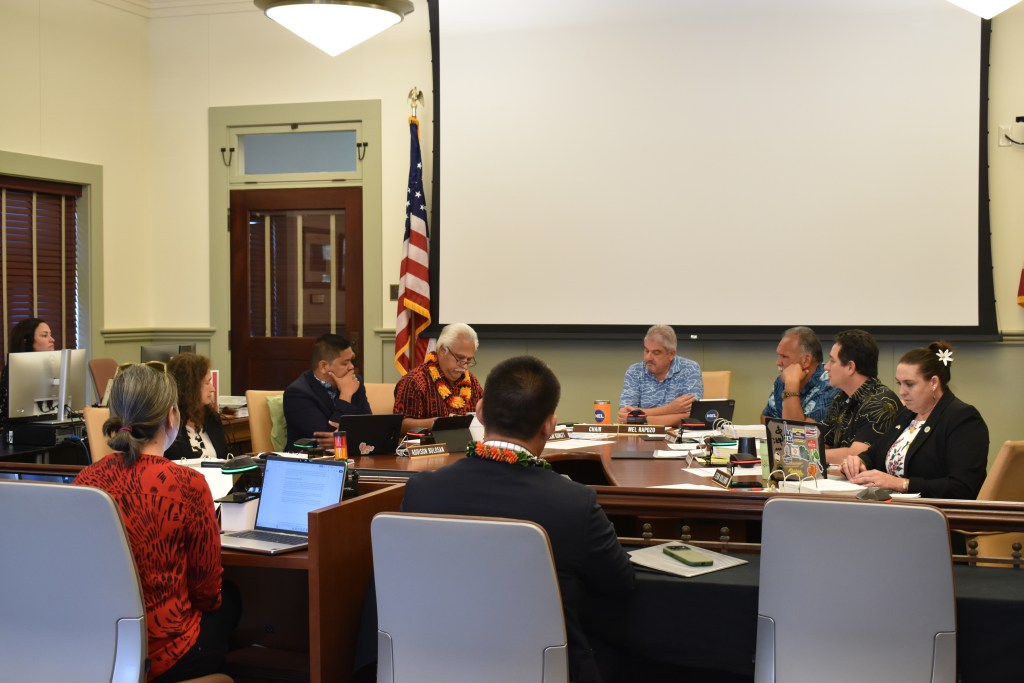
The Kauaʻi County Council is determining whether to approve $15.8 million for some of that housing-related infrastructure work as part of Mayor Derek Kawakami’s proposed $504 million budget for the next fiscal year, which begins July 1.
The mayor’s overall budget includes $365 million for county operations and $139 million for capital improvement projects. Together, the total proposed spending plan is roughly 4% higher than last fiscal year. In addition to an investment in housing, the budget includes sizable sums for road resurfacing and bridge improvements, parks and other infrastructure.
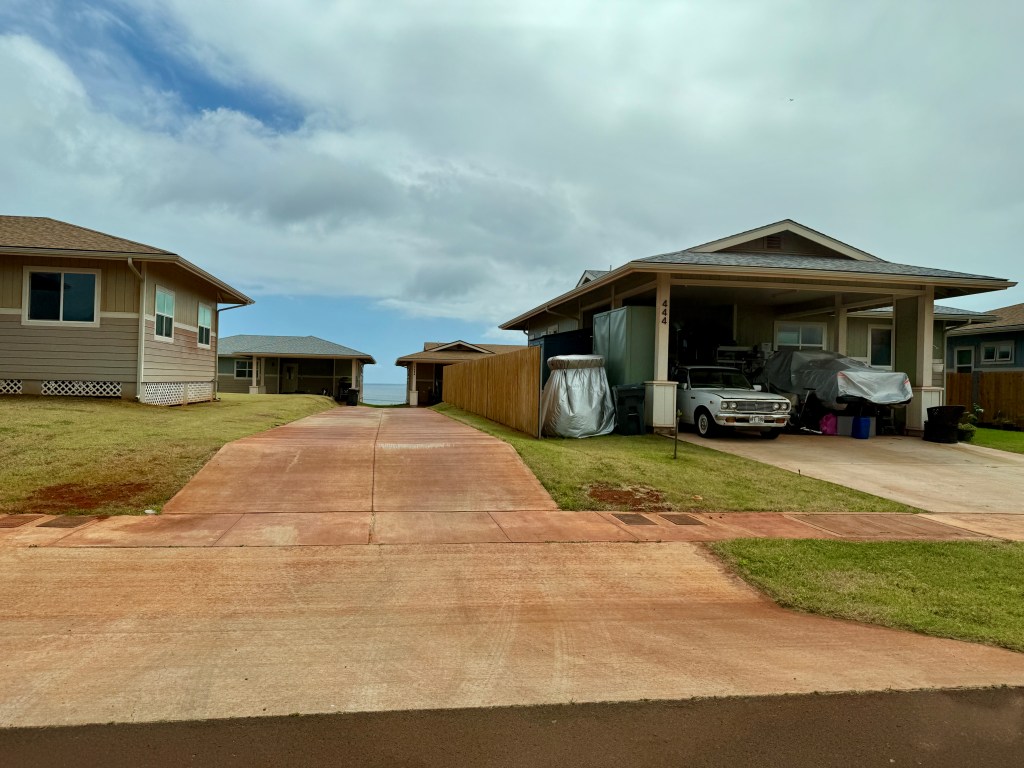
Much of the county’s housing strategy focuses on building master-planned, affordable housing communities on county-owned land. The first such community, Lima Ola in ‘Ele‘ele, is expected to have 550 homes on 75 acres once fully built. The homes range from supportive housing for homeless residents to senior rentals, low-income rentals and for-sale houses.
Similar communities are being planned for Waimea and Kīlauea, which are estimated to add roughly 390 and 310 planned homes, respectively. Līhu‘e will be the island’s fourth master-planned community now that the council has approved the purchase of roughly 85 acres of agricultural land in Līhu‘e from Grove Farm.
Roughly 6% of real property tax revenues each year are designated for the county’s Housing Development Fund. In 2024, the county amended property tax rates so that vacation rentals, hotels, resorts and other non-owner-occupied properties had higher rates, while owner-occupied rates remained flat.
“This continues our commitment that visitor-related tax increases directly benefit local housing,” Kawakami told the council at its March 27 budget meeting.
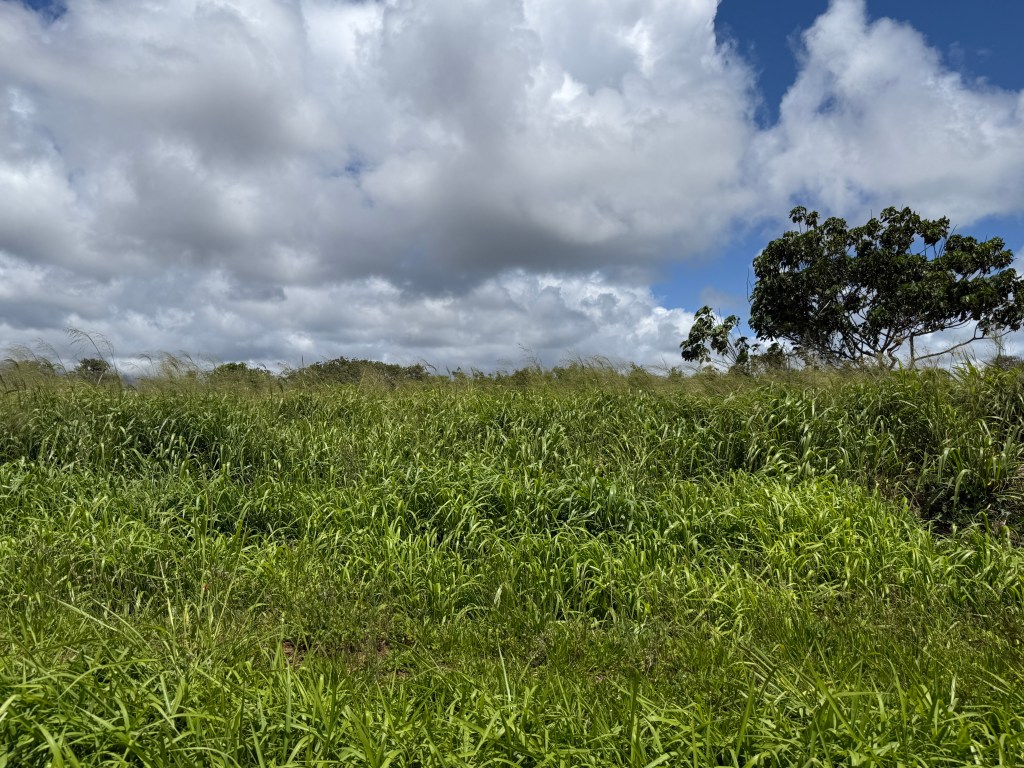
The $15.8 million in the proposed fiscal year 2027 budget would help cover infrastructure costs for various housing projects. KipuKai Kuali‘i, chairman of the council’s Housing and Intergovernmental Relations Committee, said he’s excited to see such an investment into the fund.
“We have a great planning department and housing agency, and I think with both of them in place, they’ve kind of helped us lead the way in addressing affordable housing and the need for the inventory of increased housing through this master-planned community approach,” he said.
Housing Director Adam Roversi estimates that sewer, water, roads and other infrastructure for Lima Ola, Waimea 400 and the Kīlauea Town Expansion, plus other smaller projects, would cost around $100 million.
“It’s more about, in my mind, building a pool so that we’re not coming to council on an upswing year and asking for $50 million all at one time, because that would not be fiscally possible during a normal budget year,” he said.
He added that the county has been able to attract nearly $30 million in federal funds in part because the county is investing large amounts of its own money into its housing projects. The county previously used Housing Development Fund monies to pay off a $13 million state loan for infrastructure for the first phase of Lima Ola, saving the county $3 million in interest payments.
“If future administrations and county councils maintain the historically high levels of investment in workforce housing shown during the Kawakami administration and we can continue to attract the level of federal investment we have seen since 2022, my expectation is that most of the housing in the current pipeline could be realized within 10 to 15 years,” Roversi said.
The Housing Development Fund currently has a balance of roughly $28 million, with $8 million committed to projects, Roversi said. In addition to a portion of property tax revenues, the fund is also supported by fees from market-rate, private developments and other historic ad-hoc allocations from the council. The council has been considering whether to allow some Housing Development Fund monies to be used to create a residential deed restriction program where the county would purchase an equity interest in existing homes to preserve housing stock for local residents.
Roads, Parks And Other Infrastructure
Kawakami’s proposed budget also includes $36.3 million for road resurfacing and bridge improvement projects, continuing his administration’s long-term focus on infrastructure. In his state of the county address, he said the county has resurfaced 255 lane miles of roadway, with another 40 lane miles scheduled. That’s nearly half of the county’s roadway network.
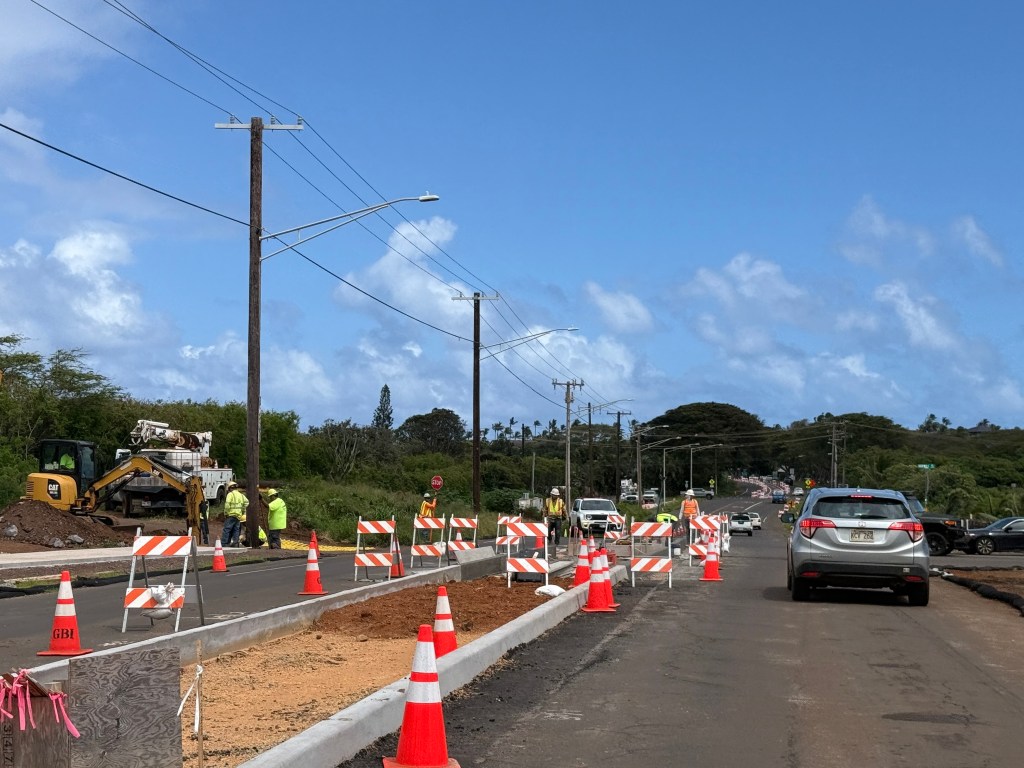
Most of his proposed capital improvement project budget is for projects already underway. Kawakami said that was intentional as only five months of the budget will be under his administration.
“We approached it with discipline to complete what we started, avoid meeting unfinished commitments and provide a stable path forward,” he said at the council meeting.
He allocated $14.3 million for parks and recreation projects, such as the ongoing construction at Vidinha and Hanapēpē stadiums. The field, track, track implements and score board are being replaced at Vidinha Stadium. Future project phases will include field lighting improvements, Americans with Disability Act upgrades and new bleachers, press box, fencing, offices, locker room, storage space and concession booths. The total project is anticipated to cost $32 million.
The mayor is seeking an additional $2 million for lighting upgrades and replacing light poles and light fixtures at Hanapēpē Stadium. The funds would also support a mobile building for park caretakers, locker room renovations, and replacing football field goal posts and worn fencing.
Wastewater improvements were another focus of the mayor’s proposed spending plan, with $3 million to upgrade the Wailua Wastewater Treatment Plant, $700,000 for improvements to the more than 40-year-old Hanapēpē Sewer Pump Station, $2.5 million for the Līhu‘e Wastewater Facility plan update, and $500,000 for the Līhu‘e Wastewater Treatment Plant effluent disposal evaluation.
The council on March 25 granted approval for the county Public Works Department to get a $25.5 million loan from the state Department of Health to make improvements so the Wailua plant can comply with state requirements for effluent disposal. The $3 million in the mayor’s proposed budget will cover costs ineligible for the state funding.
The county hopes to eventually relocate the plant, which is in a tsunami evacuation zone, and is talking with the state Department of Hawaiian Home Lands about a potential relocation to its land in Wailua. Separate funding has been set aside for that proposed relocation.
The Līhu‘e Wastewater Facility includes the Līhu‘e Wastewater Treatment Plant, plus the sewer collection and distribution systems, force mains and sewer pump stations. The $2.5 million would go towards an analysis of the wastewater collection system to evaluate its flow capacities, determine its ability to accommodate future flows and identify areas needing improvement.
An additional $500,000 would help fund an evaluation of effluent disposal options at just the Līhu‘e Wastewater Treatment Plant. The plant lost its ability to discharge to eight existing injection wells because the Hokuala Golf Course is unable to accept R-1 reuse water due to saturated ground conditions.
Altogether, the proposed spending plan reflects $397.8 million in county revenue, up by nearly 7% from the last fiscal year. Real property tax revenues make up the largest revenue source at $261.4 million. The mayor is not seeking any revisions to property tax rates for next fiscal year.
The County Council will be hearing from the various county departments and the public at meetings scheduled throughout April. Decision making is scheduled for May 14 and 15.
See the budgets below.
Civil Beat’s reporting on Kauaʻi is supported in part by a grant from the G. N. Wilcox Trust.

