Kailua-Kona Confronts A Paid Parking ‘Epidemic’
Hawai‘i County Council members are struggling to tackle an issue that residents say is ruining the community.
Paid parking lots in Kailua-Kona Village have gotten out of control, West Hawai‘i business owners and residents say.
Free parking lots have shrunk in the past few years, they say, as private companies began buying lots and imposing fees. Some argue the cost of parking is keeping tourists and residents away, and they worry the trend will spread to other parts of Hawaiʻi island unless something is done.
The Hawai‘i County Council attempted to regulate the paid lots with Bill 132, which would have capped parking rates in the village, set a limit on failure to pay fees and require signs that clearly displayed the parking rates.
Diamond Parking Services Kona city manager Jasmine Crusat told the council at a March committee meeting that the bill risked discouraging local investment and economic activity. Paid parking, she said, is used as a way for businesses to offset costs for land leases.
“This bill sends a dangerous signal to local businesses already struggling under rising wages, lease rents and operated costs,” Crusat said. “Government-mandated pricing does not lower costs. It drives business out, reduces services and ultimately harms the community.”
The measure was shelved last week due to concerns that it would have opened the county up to lawsuits, said council member Rebecca Villegas, who introduced the bill. She’s put forward two other bills that could remedy the situation.
“If nothing else, this has elevated the issue to a higher level,” she said, “and through these conversations there is opportunity in the future for the state to look at this issue, because it’s become an epidemic, and it’s negatively impacting communities all over the state.”
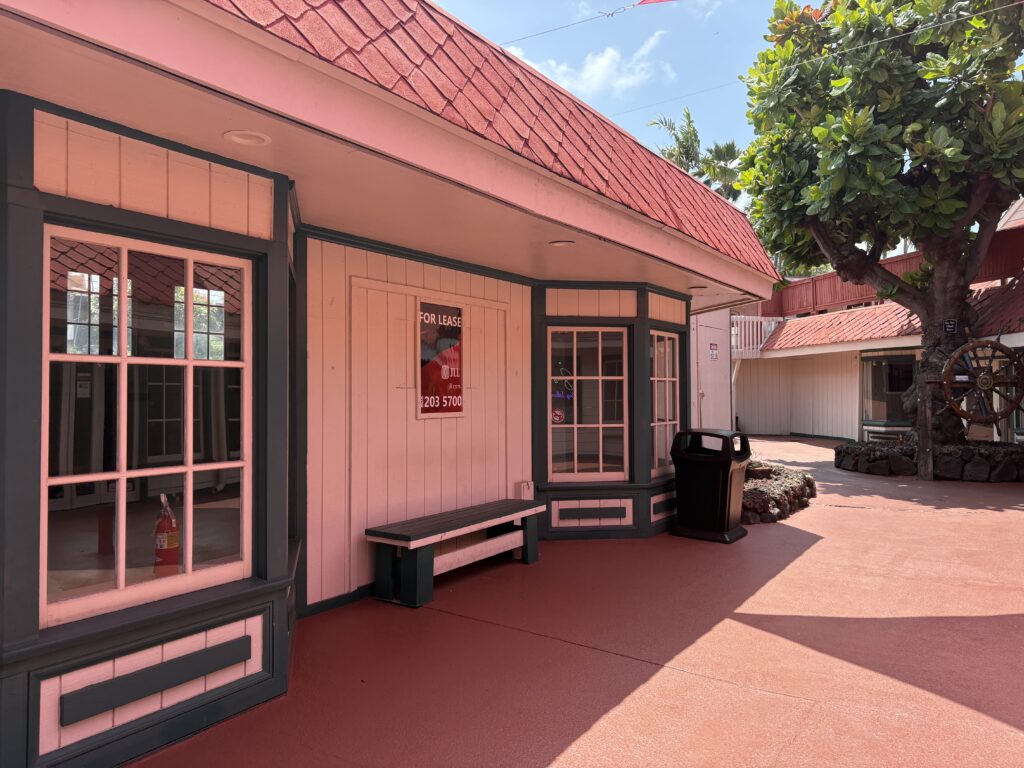
Destiny Hoskins works in a boutique at the Kona Inn Shopping Village. She says she’s had people leave mid shopping to make it back to their cars before they’re charged another hour or the free two hours for Hawaiʻi residents ends.
It’s been affecting the business, Hoskins says, and she worries the decrease in customers along with growing costs will force the owner into bankruptcy. She’s already seen shops close because foot traffic has slowed. Numerous storefronts remain empty in the shopping center.
“They turned parking into a business and ruined the community as a result,” she said.
‘They Get Their Money’s Worth’
Despite Bill 132 failing, Villegas said the public attention has started to create some change.
For years, parking companies did not have posted signs and would impose surge pricing on customers. In Google reviews and Facebook groups, people reported being charged anywhere between $3 an hour and $17 an hour to park. But the recent attention has gotten some companies to begin posting signs, Villegas said.
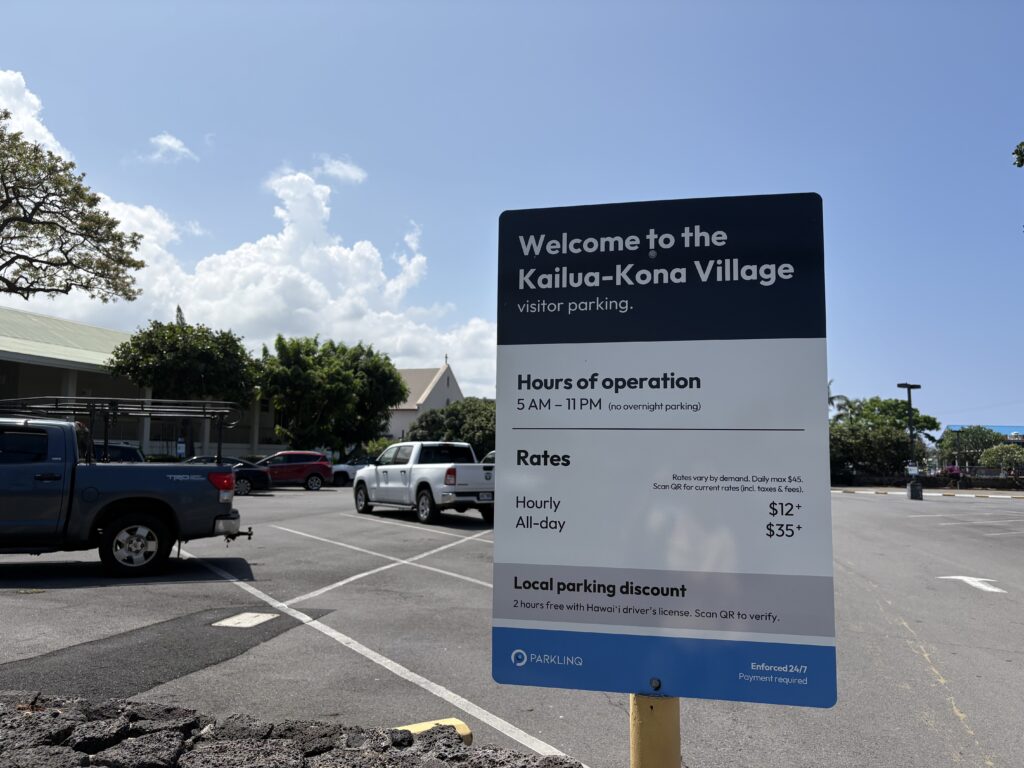
In those that have posted signs, the average cost was roughly $12 an hour or $35 for the day. Though the signs can help prevent surge pricing, Villegas said, it’s still a high cost to pay for some.
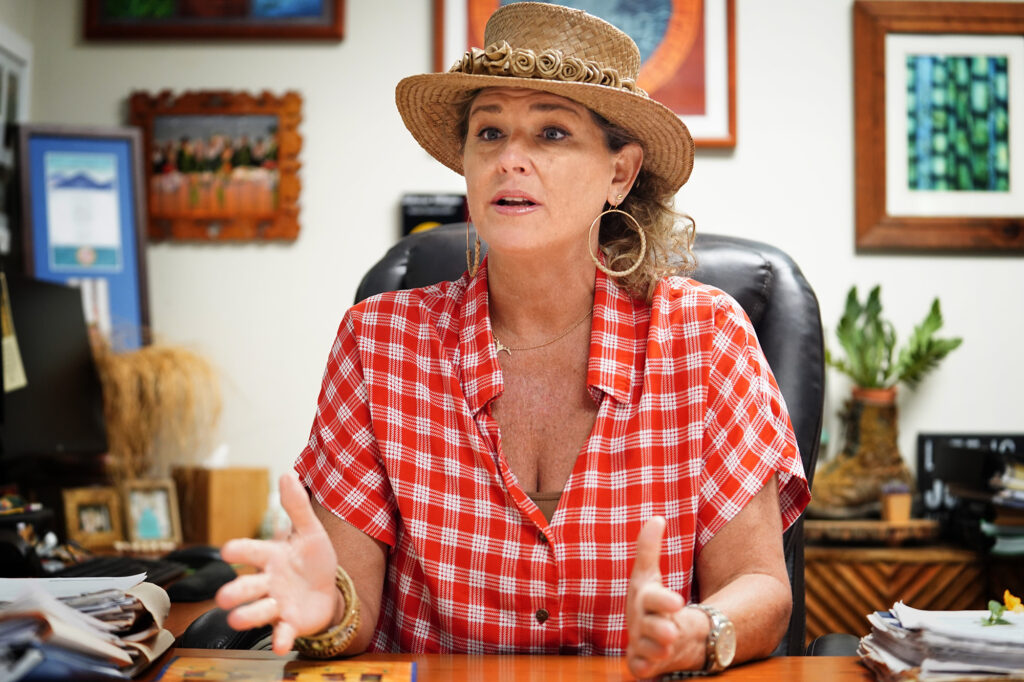
Though her attempt to cap the cost failed, Villegas has introduced a bill to require companies to post signs with the rates and another that would ban all new paid parking lots. Current paid lots would be grandfathered in under that measure though.
Employees at stores in the tourist destination say the lack of free parking has already impacted businesses and will continue to unless something is done. Some employees say it’s hurting them too.
While some workers have the cost of parking covered by their employer, others pay out of pocket or have to find creative — and sometimes illegal — ways to get to work.
Some employees have resorted to parking in other companies’ lots, they told Civil Beat. Yayina Ki has been late to work on numerous occasions because she has to search for free spots. Papa Kona’s head chef, Kyle Kealiʻiheleua, says he and restaurant managers have to pay $250 a month for parking.
“They get their money’s worth out of me, because I’m here every day,” Kealiʻiheleua said.
For residents and tourists, the lack of free or affordable parking has stopped them from frequenting the area.
“The rates aren’t transparent, and so you never know what you’re paying.”
Resident Theresa Holderread
Theresa Holderread used to grab dinner and drinks in the village with her husband often, but sheʻs been avoiding it as free parking shrinks.
“The rates aren’t transparent, and so you never know what you’re paying,” she said. “I don’t want to worry about how much time I’m spending someplace, and obviously, when you have to cut your time short, you’re going to spend less money.”
She joined the group, Fix Paid Parking Committee, which has been lobbying the county to get a handle on the paid lots. The group’s Facebook page has nearly 1,500 members. Holderread said she’s disappointed by the lack of action by the county council. Bill 132 stalled for months before finally being shelved last week.
“This should worry people all over the island,” Holderread said, “because if we come to accept that it is what it is, it could happen in Hilo.”
Villegas is hopeful she’ll be able to block further lots from being built — and act as an example for the rest of the state. She also hopes all the attention will sway some companies to consider how they’re impacting the community.
“I have to remain hopeful that those that work in the private sector will take the initiative,” she says, “to recognize their responsibility to the broader community and the collective good over their own bottom line profit margins.”