

Will Hawaiʻi Forfeit $5 Million For Teacher Apprenticeships?
State leaders say the program will improve teacher retention and recruitment by providing more mentorship and financial support to prospective educators.
As a college student, Nicole Dolor-Bala was spending full days in schools, helping teachers with their lessons and attending staff meetings. The rigorous work prepared her for a career in special education and gave her the experience she needed to earn her teacher’s license and undergraduate degree in education.
But for the most part, Dolor-Bala wasn’t paid for her work as a student teacher. To make ends meet, she worked as a waitress and educational assistant, balancing her jobs with college courses and student teaching requirements.
“It was hard to juggle all of that and to really juggle all the assignments that we had to do,” she said. “I was always really tired.”
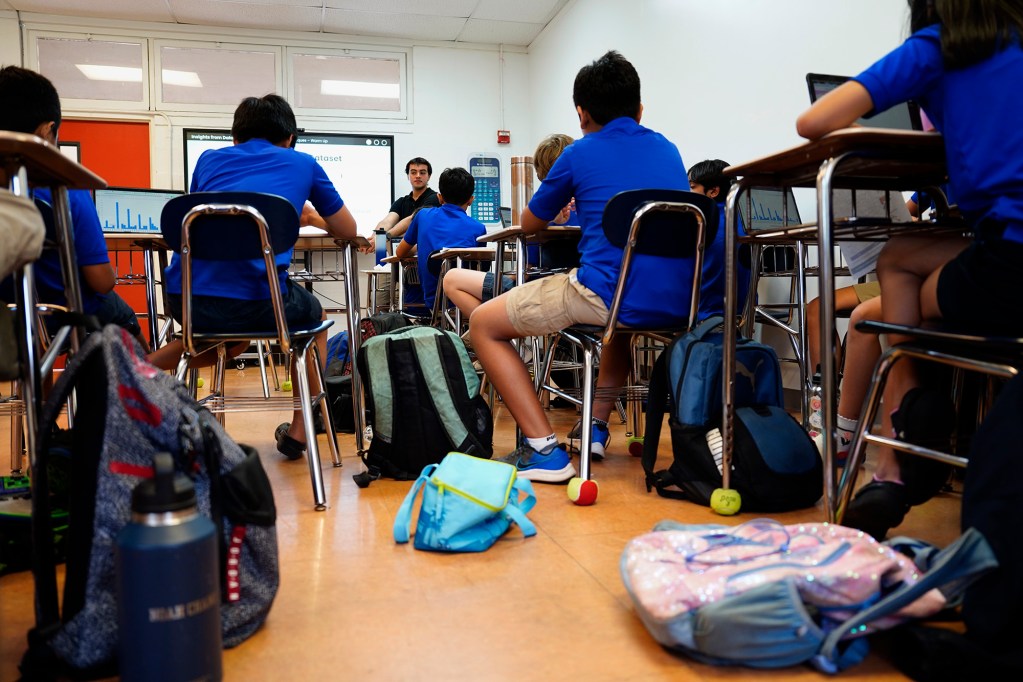
In summer 2024, state leaders proposed a solution to give students more incentives to pursue education careers. A teacher apprenticeship, funded by nearly $5 million in federal grants, would pay them for full-time work in schools while allowing them to earn their teaching credentials for free.
Nearly two years later, the state hasn’t spent any of the federal funds and the grant is set to expire next summer, although the Hawaiʻi Department of Labor and Industrial Relations may apply for an extension.
The delay has partially stemmed from a disagreement between two powerful unions representing school employees, which both argued that apprentices should have to join their membership.
The unions – the Hawaiʻi State Teachers Association and the Hawaiʻi Government Employees Association – declined to comment, citing the ongoing finalization of the apprenticeship program.
The Hawaiʻi Teacher Standards Board, which is responsible for developing and implementing the apprenticeship, did not respond to requests for comment.
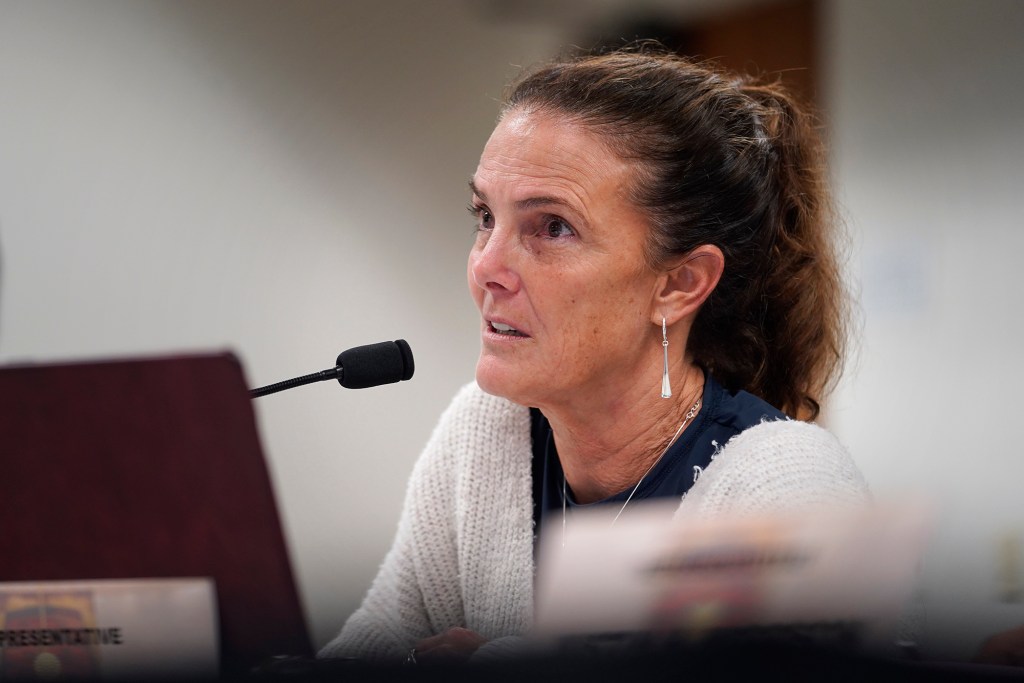
The unions have recently struck a tentative agreement, said Rep. Amy Perruso, who’s hopeful the apprenticeship can start recruiting teachers next school year. But the state still needs to step up its spending of the federal funds, she said, especially as schools continue to rely on long-term substitutes and unlicensed teachers to fill vacant positions.
Since the state first received the apprenticeship grant, the number of unlicensed teachers in public schools has grown from 670 to 1,000.
“It took too long,” said Perruso, a former high school teacher. “But I am hopeful now that the tentative compromise is in place, that we can start dispersing those funds and really investing in that teacher apprenticeship program.”
What’s The Delay?
State lawmakers and school leaders enthusiastically announced nearly $5 million in federal funding for an apprenticeship program in 2024, arguing the initiative could help solve the teacher shortage by providing not just financial support but robust training for prospective educators.
The program planned to serve more than 140 aspiring educators, who would gain classroom experience as full-time educational assistants while working under experienced teachers. As apprentices gained more experience through the program, their wages would increase, said Nathan Murata, dean of the College of Education at the University of Hawaiʻi Mānoa.
Next year, the starting salary for an educational assistant is roughly $3,000 a month, according to job postings from the education department.

The apprenticeship would also cover the costs of teacher licensing programs through UH, which might range from four-year undergraduate degrees to shorter post-baccalaureate programs, Murata said. The program also plans to pay mentor teachers, who provide training and guidance to apprentices.
“I think it’s a good program,” Murata said, adding that the apprenticeship could help current educational assistants take the next step in their careers by becoming teachers. “It can certainly help with the recruitment of teachers.”
When Hawaiʻi first received the federal apprenticeship grant, state officials said they were committed to spending the money in three years even though they were still developing plans for implementing the program.
Two years later, it remains unclear what the timeline will be.
So far, the state hasn’t touched the $4.9 million grant that ends in June 2027, state Department of Labor and Industrial Relations spokesperson Bill Kunstman said in an emailed statement. The department plans to request an extension from the federal Department of Labor, Kunstman said, adding that teacher apprenticeships typically take more time to implement than other programs.
The department doesn’t have an estimate of when it will apply for an extension or how long the extension will be, Kunstman said.
Earlier this year, members of the teacher standards board came under fire from lawmakers, who questioned why the apprenticeship had stalled. For months, the board’s response remained the same: the proposal was stuck in the collective bargaining phase, and two of the main unions representing school employees couldn’t come to an agreement over who should oversee the apprentices.
The original proposal for the program said apprentices would belong to the Hawaiʻi Government Employees Association, which represents roughly 7,800 school workers, including educational assistants. But the teachers union pushed back, arguing apprentices should join their organization since they would be doing the work of student teachers.

“They should be moved into our bargaining unit because they’d be doing teaching work,” Andrea Eshelman, executive director of the teachers union, told lawmakers in March. “We’ve been unable to move forward.”
Perruso said the unions recently came to a tentative compromise, which would place apprentices under the Hawaiʻi Government Employees Association for most of their training. Near the end of the program, she said, apprentices would join the teachers union, where they would remain once they earned their licenses and became full-time educators in schools.
Once the agreement receives approval from everyone involved, including the unions and education department, Kunstman said it will need a final sign-off from the Department of Labor and Industrial Relations.
Next Steps
The apprenticeship program’s delay cost the state valuable time it can’t afford to lose amid an ongoing teacher shortage, lawmakers said in hearings earlier this year.
While teacher vacancies have declined since the Covid-19 pandemic, the state is increasingly relying on temporary measures to fill open positions. The number of unlicensed teachers, also known as emergency hires, has ballooned from fewer than 400 to roughly 1,000 over the past four years.
Without an active apprenticeship program, Rep. Trish La Chica said she’s worried prospective teachers are missing out on opportunities to receive training and mentorship. The state’s growing population of emergency hires shows that people are interested in pursuing careers in education if they have the right support and funding, she said.
“We’ve been so frustrated just seeing the extent to which we’re losing so many great teachers that want to teach,” La Chica said.
In the meantime, the state is looking to increase its reliance on unlicensed teachers by allowing them to work in schools for longer. Last week, lawmakers passed a bill that would temporarily extend the length of an emergency hire permit from three to five years, giving teachers more time to earn their license.
The bill has been sent to the governor, who has until July 15 to sign or veto bills.
Proponents of the bill argue emergency hires need more flexibility to complete their training requirements, since they’re juggling the demands of a full-time teaching job and coursework. Emergency hires, who must have a bachelor’s degree and make regular progress toward licensure, are a better alternative than long-term substitutes or vacant positions, some principals and teachers say.
But Perruso, who voted against that bill, said she’s worried the measure entrenches unlicensed teachers too deeply in Hawaiʻi’s school system. Rather than extending how long emergency hires can work in schools, she said, the state needs to commit to its apprenticeship program and provide prospective teachers the financial support and training they need.
“I really think that this just makes it less likely that we’re going to seriously address our teacher shortage crisis,” Perruso said. “As those emergency hires are in place, there’s less of an incentive, there’s a lesser sense of urgency with regard to funding things like our teacher apprenticeship program.”
Civil Beat’s education reporting is supported by a grant from Chamberlin Family Philanthropy.

