Civil Beat Reporter Wins National Award For Swimming Lessons Coverage
Drowning is the leading cause of death for children under 15 in Hawaiʻi. Megan Tagami’s story revealed how little is being done to help children get the life-saving lessons they need.
Megan Tagami’s reporting on swimming lessons in Hawai‘i was prompted by an alarming statistic: More children in Hawaiʻi die from drowning than from any other cause.
Her work digging into why so many children in the state can’t swim — and the uneven efforts to do something about that — was recognized this week with a first-place award for explanatory journalism from the Education Writers Association.
“A great story idea that explains the lack of state investment and how attempts to fix this issue have failed, while also explaining the problem well and highlighting those trying to make a difference,” the judges wrote. “I felt like I fully understood the current problem, the broader context and the possible solutions.”
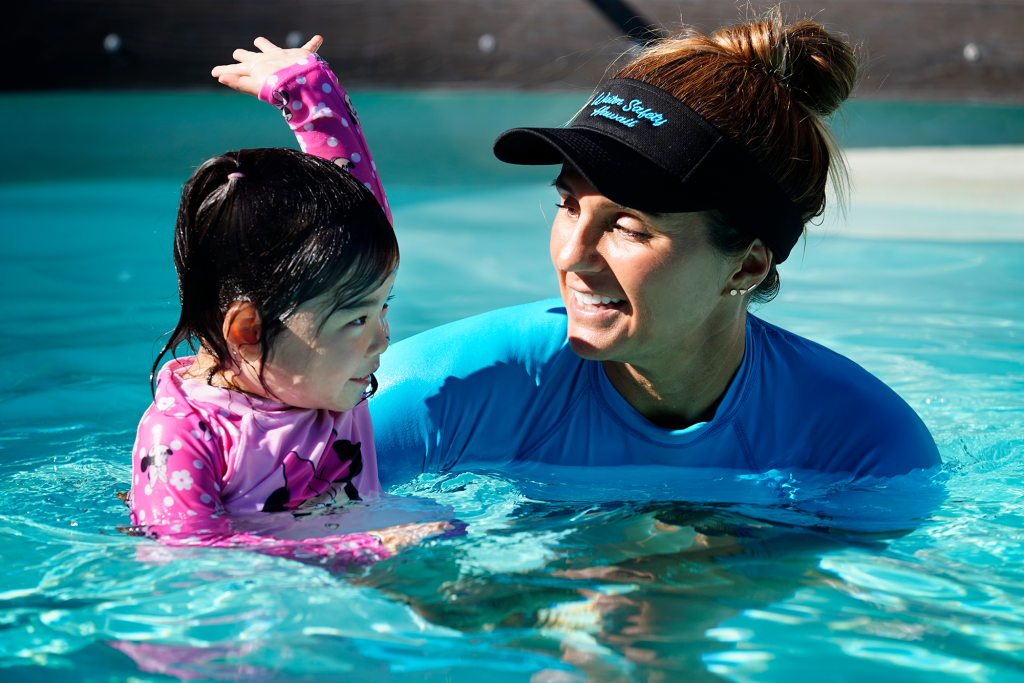
Though swimming lessons can provide life-saving skills, access to classes is uneven across the state and the Department of Education has been reluctant to take the lead on making sure kids learn to swim.
The story was part of a Civil Beat series on ocean safety that won a National Headliner Award earlier this year.
“The presentation of this was very well done. Great visuals that added to the article, which was surprising and engaging as well as informative,” judges in the EWA competition also said. “The reporting dug into the reasons for debate and explained why there’s a need for solutions but challenges in implementing them. I’m impressed by the many pieces that the reporter pulled together to build a broad and engaging story that went well beyond a proposed law and an alarming statistic.”
Civil Beat’s education reporting is supported by a grant from Chamberlin Family Philanthropy.