

‘Keep Hawaiʻi Loud’: Car Stereo Enthusiasts Boo Increased Fines On Maui
For some Maui residents, the noise is a source of repeated frustration. Others see the music as part of Hawai‘i’s local culture.
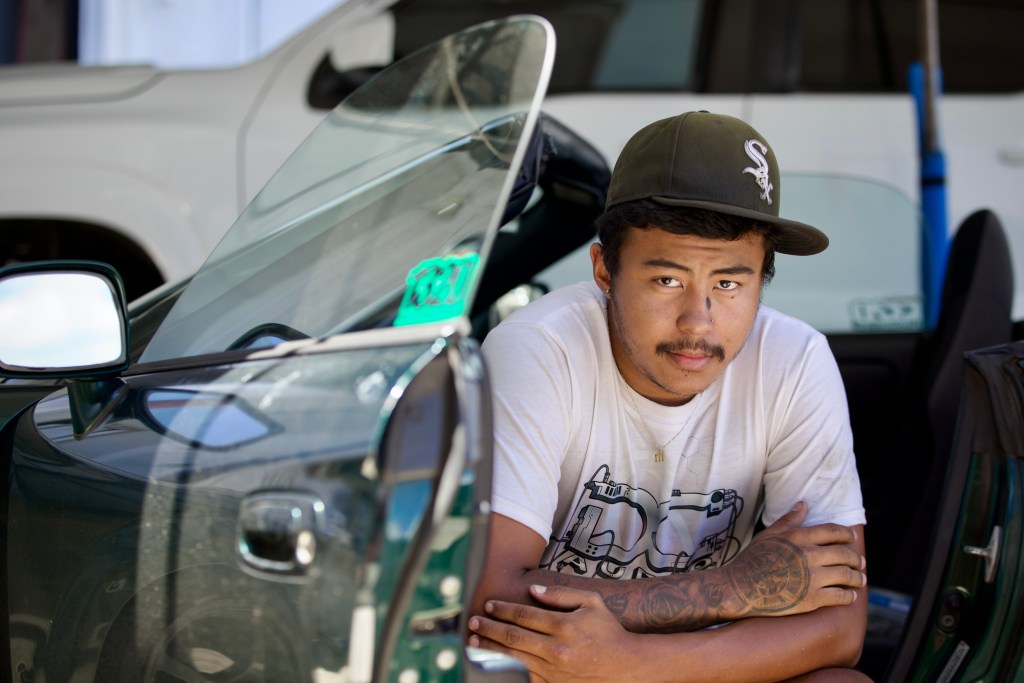
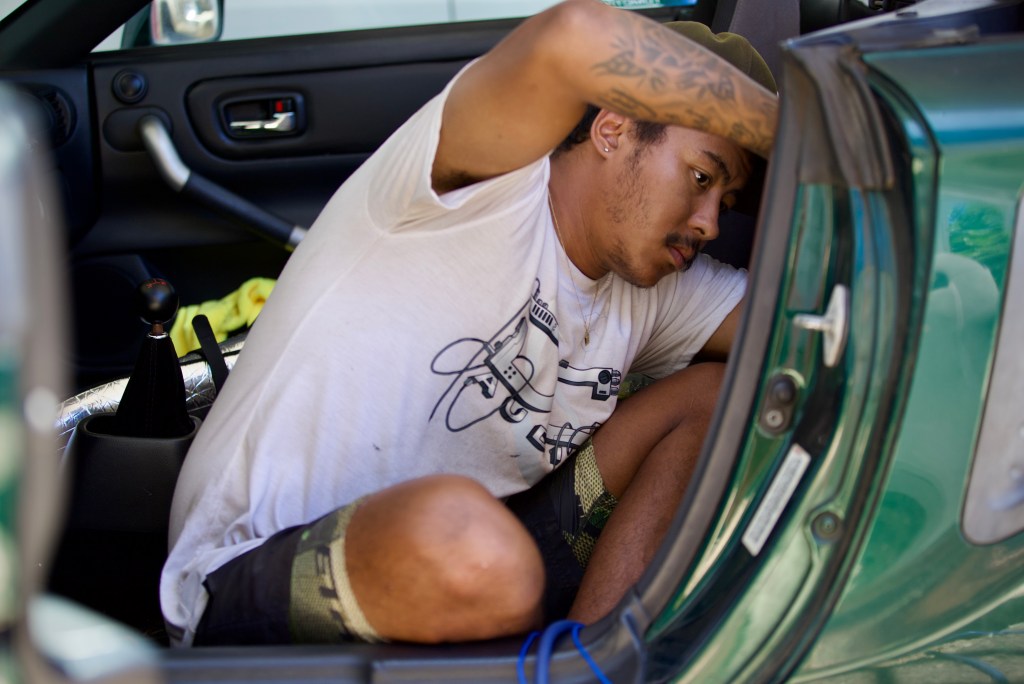
Kainoa Hands, a 21-year-old Maui resident, has spent years building sound systems, turning a passion he’s had for music since he was 16 into a hobby and a career as a car stereo installer.
Over the years, Hands estimates he has invested roughly $8,000 into car audio equipment, and he enjoys the experience of local reggae thumping as he drives around. To Hands, music was never meant to be experienced alone. Sharing it with others is part of the fun.
“What’s the point of having car audio if it’s just for yourself?” he said. “Why can’t we share it with the community?”
But a new law passed this month threatens to crack down on those kinds of joyrides.
Bill 119 imposes heightened fines on those who blast music that is clearly audible from 50 feet away. It increases first offense fines to $500, up from a range of $25 to $100, and imposes fines up to $1,000 on repeat offenders.
The Maui County Council passed the bill in a 7-2 vote, and it became law last week after Mayor Richard Bissen signed it.
Maui County Council Chair Alice Lee helped create Maui’s noise ordinance more than three decades ago and made the recent push for harsher penalties for island drivers with booming car stereos.
The proposal was prompted by a rise in complaints from residents across Maui, she said, as well as her own experiences living in Wailuku.
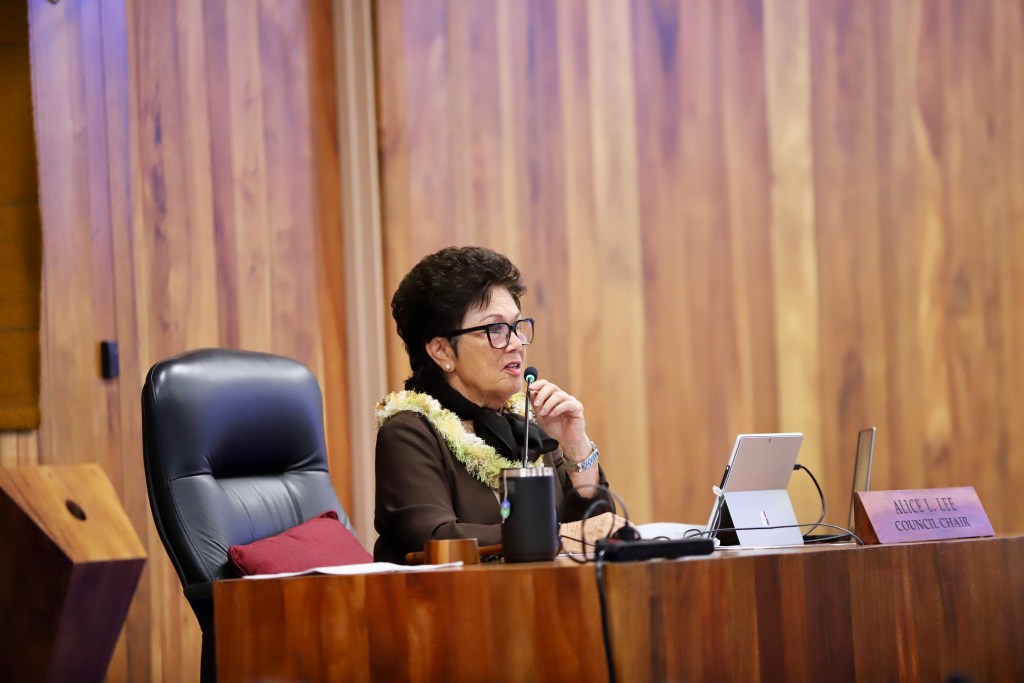
“It’s very disturbing. It’s almost scary,” Lee said. “It’s so loud, and you can hear it from blocks away.”
Residents have reported disruptions ranging from interrupted sleep to difficulties conducting business when vehicles with powerful sound systems pass by, the chair said. Lee believes stronger penalties could deter repeat offenders.
“If you are a small business in a small town like Wailuku and you’re trying to talk to a customer or do a transaction over the phone, you can’t do it with that music blaring,” she said.
“Once people start getting ticketed and penalized for these violations, it may dawn upon other people that this is not such a good idea. This has to stop.”
Some question though whether heightened penalties will make a difference to a law that is already not heavily enforced.
Since 2020, only 13 people have received citations for excessive vehicle noise, according to data from the state court system obtained by Civil Beat. Of those, seven cases resulted in a $25 fine, one violator got a $50 fine, another got a $100 fine and four were dismissed.
“If they’re not enforcing the law now, why would increasing the fine suddenly solve the problem?” said Maui County Council member Gabe Johnson, who voted against the bill. “This bill doesn’t do anything except make it feel like we’re doing something. It creates the appearance of action without actually addressing the problem.”
In a statement, Maui Police Department spokeswoman Alana Pico said traffic safety is among the agency’s highest priorities, and dangerous driving behaviors — including distracted or reckless driving and excessive vehicle noise — have contributed to preventable crashes.
“The department enforces traffic laws whenever violations are observed,” she said. “However, some offenses, such as excessive vehicle noise, present practical enforcement challenges. In many instances, complaints are reported after the offending vehicle has already left the area, making it difficult for officers to take enforcement action.”
She noted MPD supports “efforts to strengthen accountability for dangerous driving behaviors and welcomes legislation that provides law enforcement with more effective tools to improve roadway safety.”
The Love Of Being Loud
The heightened penalties are welcome news to residents who bristle at deafeningly loud music on the road.
For Maui resident Kathy Bashore, the issue boils down to courtesy and consideration for others who share the same community. The aloha spirt is about respect for others, she said, and raucous tunes are disrespectful.
“There’s music, and then there’s what’s a nuisance,” she said. “Keep the love of your music. But keep it within a respectful volume. You can enjoy your music without forcing everyone else to listen to it too.”
Thomas Laidlaw, originally from LA, has lived in Hawaii since 1972 and splits his time between Oʻahu and Maui. He supports the increased fines, which he sees as the most practical way to change behavior.
“Cash fines are a great way to get people’s attention, especially when some of these people are breaking the laws on purpose,” he said. “If they cared about affecting other people, they wouldn’t do it. But they don’t care. Once it starts affecting them, then they will care.”
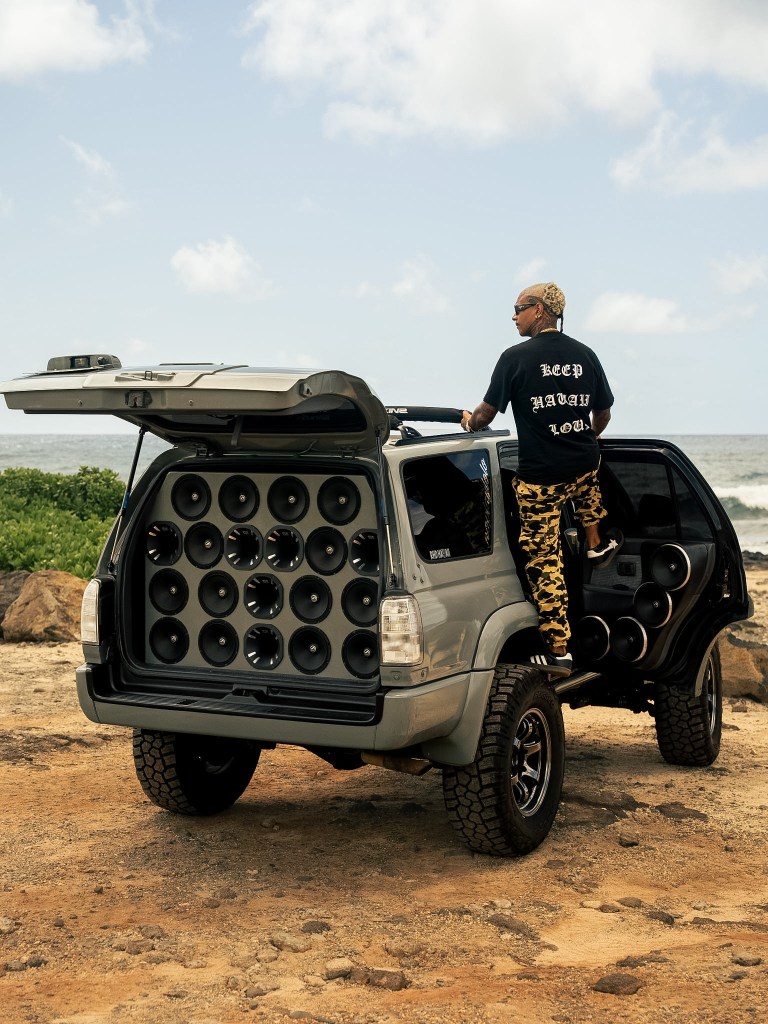
But some Maui residents strongly opposed the legislation as it was being considered. A Change.org petition started by Mauricio Medina, an audio installer at Kamikaze Electronics in Kahului got more than 350 online signatures. The message of several petitioners in the comments: “Keep Hawaiʻi loud.”
Some felt county officials did not attempt to truly engage with the people who would be most affected by the legislation.
“I feel like they just took their opinion and ran with it,” Hands said.
He sees car audio as both a profession and a source of community. Gatherings among enthusiasts allow people to share their work, compare builds and connect through a common interest. One of his goals is finding better outlets for the car audio community, such as designated areas or events for stereo fans to blast their music freely.
“Being able to come together as a community, gather around and listen to each other’s builds, it’s so amazing to me,” he said. “It’s deeper than just being loud.”
“Keep the love of your music. But keep it within a respectful volume.”
Maui resident Kathy Bashore
At the same time, Hands said enthusiasts have a responsibility to be considerate of others and should encourage this behavior amongst each other.
“We can still be loud but respectful,” he said. “We can do both.”
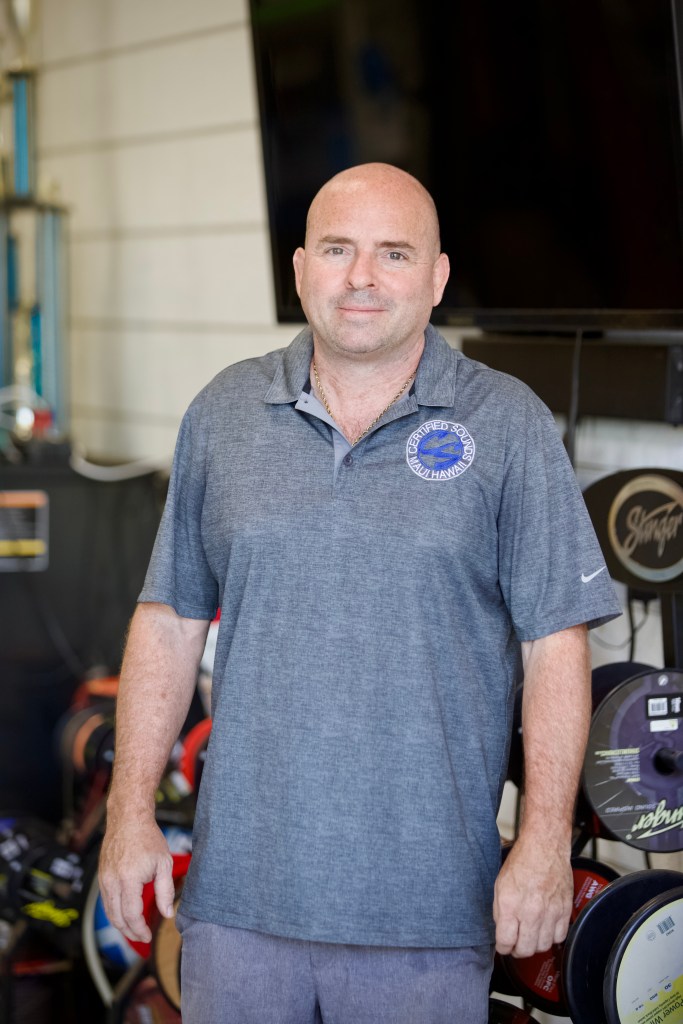
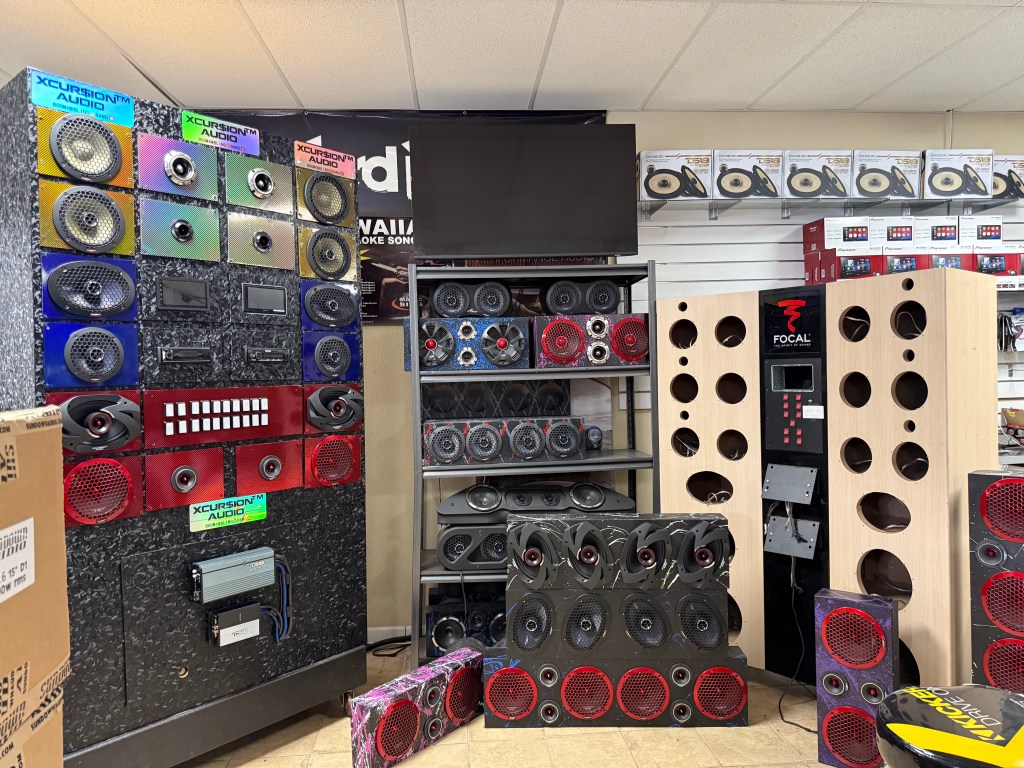
Industry veteran Derek Pace, who has spent more than two decades in the car audio community, founded Certified Sounds Maui in 2002 after turning a lifelong hobby into a career.
Pace does not believe fines will significantly change behavior.
“I think it’s just gonna fuel more rage,” Pace said. They’re just poking the bear instead of trying to resolve it responsibly.”
Pace said the county should focus on education and work with enthusiasts to create designated spaces where they can gather responsibly.
“Keep them out of trouble and have competitions. Do it once a month or something instead of trying to scold them and fine them, provide them a proper venue.”
Pace pointed to organized “sound-off” competitions that have been held in Hawaiʻi and said events like that could reduce conflicts while preserving a hobby many young people enjoy.
“We’re all on the same team,” he said, “trying to do something fun and keep everyone happy.”
Hands agreed.
“Would they rather kids and other people spend their time doing their sounds, trying to get it right, putting their blood, sweat and tears into it, or would you rather they be doing crime on the street?” Hands said. “It isn’t right to try and take away a good, productive hobby for people.”
Not every Maui resident finds the loud vehicle music bothersome.
Bill Watts, an 81-year-old retired engineer who has lived on Maui for nearly two decades, said he actually enjoys hearing this music.
“When I see young people with lots of energy and enthusiasm and excitement, I feel it secondhand,” Watts said.
Watts said he does not encounter the noise often enough to consider it a problem. In fact, he wishes he heard it more. When asked how frequently he experiences loud vehicle stereos, he laughed and said, “Not often enough.”
A Question Of Priorities
Whether enforcement practices will change under the new law remains to be seen, but Councilmember Johnson has his doubts.
Maui Police have more pressing concerns, he said, like drinking and driving, speeding and distracted driving.

“When you have police officers working 12-hour shifts, you have to maximize your bang for your buck,” he said. “Are you going to have officers sitting in the bushes listening to loud music, or are you going to have them focused on drunk drivers, reckless drivers and people blowing through stoplights?”
Plus, Johnson said, imposing increased fines could even create more problems for Maui residents.
“If people can’t pay those fines, then they can’t renew their registration,” he said. “Then they’re driving with expired registration, which creates another problem. That’s a heavy-handed response that doesn’t actually solve the issue.”
Council Member Tamara Paltin, who voted for the bill, said that enforcement remains a key consideration. While she supports addressing excessive noise near homes, schools and senior communities, she said officers should use discretion and focus on the most disruptive situations.
“I think the conversation alone can help raise awareness about respecting others while still enjoying yourself,” she said.
At the same time, she said not every instance of loud music should be treated the same way.
“If it’s somebody blasting their sounds on the highway next to you with no homes around, and it’s a brief interaction, maybe just let it go,” Paltin said. “Every morning at 3 a.m. when your kids are still sleeping and getting ready for school? Maybe not so much.”
Instead of higher fines, Johnson said the county should focus on public education and conversations within the community.
“We live in a community,” Johnson said. “We should be able to talk to our neighbors.”

