

Second Maui Immigrant Pleads Not Guilty To Illegal Voting
Just two people have been charged with voting as noncitizens in Hawaiʻi in at least the last 40 years.
A Maui woman who emigrated from the Philippines eight years ago pleaded not guilty in a federal court Tuesday to charges of voting illegally.
Bernadette Acaso, 19, is accused of voting in Maui in the 2024 general election. That would have been illegal because she is not a U.S. citizen, although she emigrated as a child legally to Hawaiʻi in 2018, authorities said, and then became a lawful permanent resident.
According to court records, she told FBI agents that she believed her legal residency status meant she was allowed to vote. She also told agents that she felt pressured to do so by her uncle, who had petitioned for her and her family to emigrate from the Philippines, court records say.
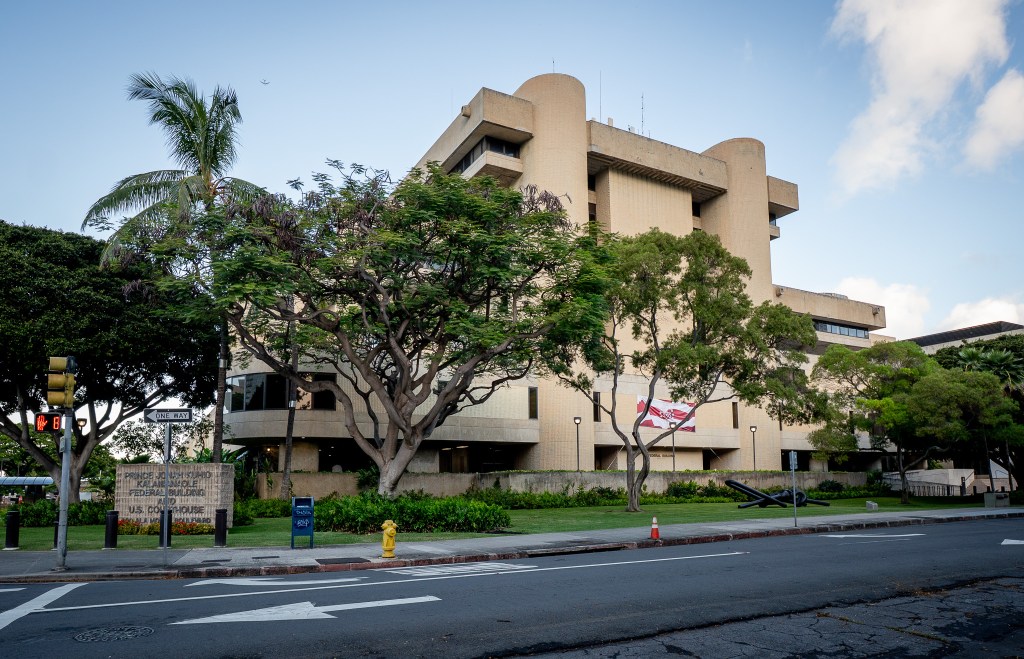
She is the second person charged this summer in Hawaiʻi with the misdemeanor of unlawfully voting as an alien. Remedios Alasaas, 66, a Kahului resident and also a Filipino immigrant, pleaded not guilty in June to voting in elections in 2022 and 2024. She is set to go to trial in December.
Both Acaso and Alasaas face up to a year in jail and fines up to $100,000. Separately, they could face deportation.
Maui County Clerk Moana Lutey said in an email that both women reported to her office that they were not U.S. citizens, and she then referred both cases to the FBI.
Extremely Rare
In federal district court Tuesday, Acaso quietly said, “Yes, your Honor,” to Judge Rom Trader, when he asked her if she understood the proceedings.
Then she briefly covered her face with her hands.
She declined to comment after the hearing, as did friends who came to support her and her attorney, federal public defender Donovan Asao Odo.
The charges against Acaso and Alasaas for voting as noncitizens — the first in Hawaiʻi in at least 40 years — come as the Trump administration tries to stir fears that illegal voting is swaying elections.
However, experts and independent investigations have found that cases involving noncitizen voting are extremely rare.
For example, a ProPublica analysis of Justice Department data found that between January 2025 and May 2026, fewer than 150 alleged noncitizen voters were referred for prosecution. Just 41 were charged with voting illegally, as Acaso and Alasaas were, or other election-related crimes.
In Hawaiʻi alone, more than 500,000 people voted in the 2024 general election in which Acaso is accused of voting. Alasaas is accused of voting in the 2022 general election and the 2024 August primary.
Acaso’s trial is set for Oct. 20.

