Covid Audit: Millions Meant To Support Oʻahu Residents Went Elsewhere
Honolulu’s “ambitious” plans had to shift so the money could be spent in time, Mayor Rick Blangiardi’s managing director said.
Flush with federal pandemic relief money and then faced with a deadline to spend it, Honolulu city officials shifted money away from projects meant to set Oʻahu up for a strong and equitable recovery.
Instead of funding sustained economic relief for residents, a large chunk of the funding went toward “limited improvements to the city’s finances, asset purchases, and temporary assistance,” according to a new report released by the Honolulu auditor on Monday.
As a result, the residents who were most vulnerable and affected by Covid-19 lost out on benefits that could’ve helped them, the audit found.
“There were missed opportunities to address a wide variety of community needs with planned recovery-oriented spending,” it says.
Honolulu Mayor Rick Blangiardi’s original funding plan included funding to house low income residents, grants to nonprofit organizations working with the island’s homeless population and money meant for domestic violence service providers. But those plans were axed as the city faced pressure to either spend the money or return it to the federal government.
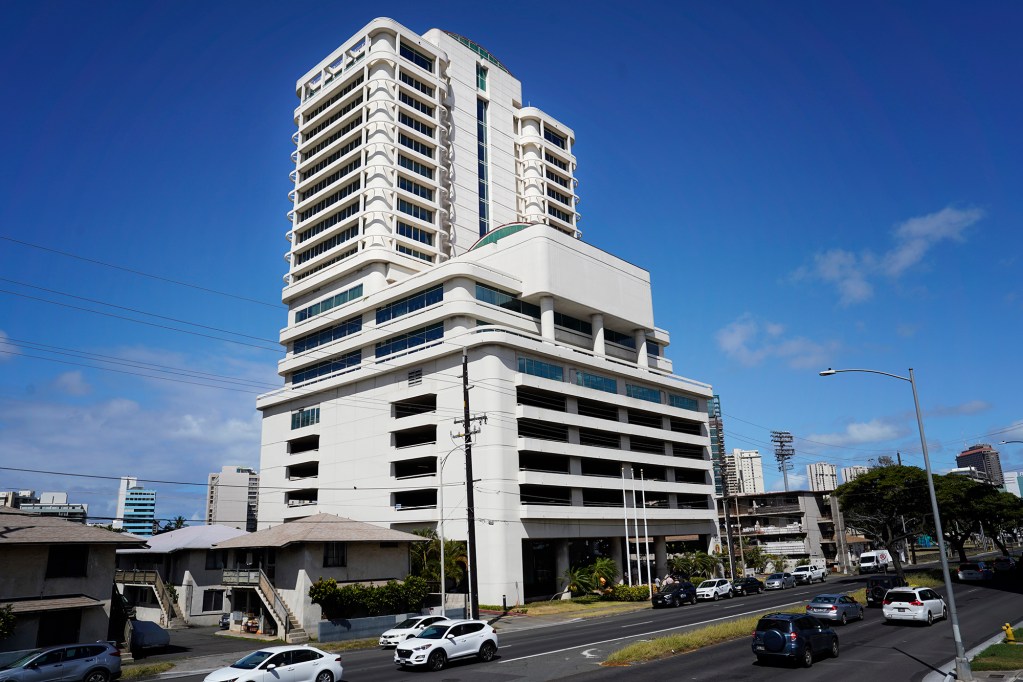
Almost three-quarters of the entire $386 million federal award went toward four areas, the audit found: the purchase of the Waikīkī Vista property, a one-time payment toward retired city employees’ healthcare, short-term household assistance and water infrastructure improvement.
Managing Director Krishna Jayaram said in an interview Monday the original idea for the federal funding was to pay for as many projects as possible to make life better for island residents.
“The reality is that as the deadline approaches,” he said, “you just have to start making decisions.”
Shifting Priorities
With help from the City Council, Blangiardi’s administration came up with a list of a few dozen projects that the federal funding could go toward, enshrined into the city’s budget ordinance in 2022. But during the two years that followed, council members approved the administration’s requests to shift – or “reprogram” – that money toward a smaller number of priorities, sometimes tens of millions of dollars at a time.
No federal requirements were violated, the audit notes. Federal criteria for projects was met with an 84% compliance rate, and there was no penalty for failing to comply.
Many projects from the city’s original proposal were cancelled in favor of large shifts toward other funding priorities. Altogether, the audit says, two-thirds of the original 45 projects approved in 2022 were axed, representing a quarter of the total amount of funding received.
A sizable chunk – $132 million – went toward retirement benefits, including healthcare costs, for which the state requires payment every year.
There were no indications that the city would have struggled to pay for this, the audit says, and while it didn’t violate federal rules, “we question whether the impact of diverting funds away from direct community and economic needs was considered.”
“In our view, the city missed an opportunity to address both short and long-term affordable housing needs in the community.”
Report by Honolulu Auditor Troy Shimasaki
City officials chose to spend federal cash towards something they knew they had to pay anyway – a practice known as revenue replacement – with the thinking it would free up money from the general fund to pay for other expenses without the pressure of a federal deadline, Jayaram said.
“Every jurisdiction had the option of taking revenue replacement if they wanted,” he said. “We chose not to do that up front, we wanted to be ambitious.”
The city’s Rental and Utility Relief Program – which helped over 22,000 households and was administered by the recently dismantled Office of Economic Revitalization – was admirable, the audit says.
“However, rental assistance via these funds was temporary in nature,” it says. “In our view, the city missed an opportunity to address both short and long-term affordable housing needs in the community.”
The city used $38 million to purchase Waikīkī Vista in Mōʻiliʻili, which provides 109 affordable rentals starting at $1,200 per month, arguably a long-term housing solution. But the audit notes the cost of that one project comprised three-quarters of the city’s spending toward its stated goal of an equitable economic recovery.
It’s possible city officials will come back to projects from which they shifted federal funding away. The new Climate Resiliency Fund, for example, is slated to cover $625,000 for a cesspool conversion grant program, which would be one-eighth the size of the program envisioned previously.
“However,” the audit says, “we found no indication that the city will or can revisit defunded ARPA recovery priorities.”