Sick Of Being Sidelined: Kaʻū Council Candidates Want Action After Lala
Recent climate change-fueled disasters have hit the southern part of Hawaiʻi island hard, rising to the top of local candidates’ priorities.
From Volcano to Kealakekua, residents living in Big Island’s council District 6 have endured disaster after disaster – from powerful floods to earthquakes to tephra falls – all in the last year.
For the two candidates facing off in the general election, the campaign trail has wound through debris cleanups and supply distributions instead of podium speeches and sign waving. And the long road to recovery has offered abundant fodder for campaign promises.
Zed Kaʻapana Aki has deep roots in Kaʻū and South Kona. His grandparents left for Oʻahu because of a lack of economic opportunity on Hawaiʻi island and he grew up in Haleʻiwa. Now a resident of Ocean View, he said South Hawaiʻi has long been underserved and underfunded.
The constant flooding of the same roads and poor disaster preparedness, he said, is evidence of that. In Lala’s aftermath, Aki immediately headed for stores. He drove to Kona and back with a car full of supplies again and again for weeks after.
Aki knows exactly what he wants to do to help the region be better prepared for the next storm.
Guy Enriques, who won the primary, was born and raised in Pāhala. Storms have flooded roads in Kaʻū for a lot of his life. Lately, he noted, it’s gotten worse.
Enriques cited flood mitigation as his biggest challenge to tackle back in June in response to a Civil Beat Q&A prompt about disaster preparedness. A few months before, water had overflowed on Highway 11 during the Kona low, shutting it down.
After Hurricane Lala, he spent weeks organizing beach cleanups and clearing homes of mud and debris. More than a month after the disaster, he once again ranked flood mitigation as his top priority.
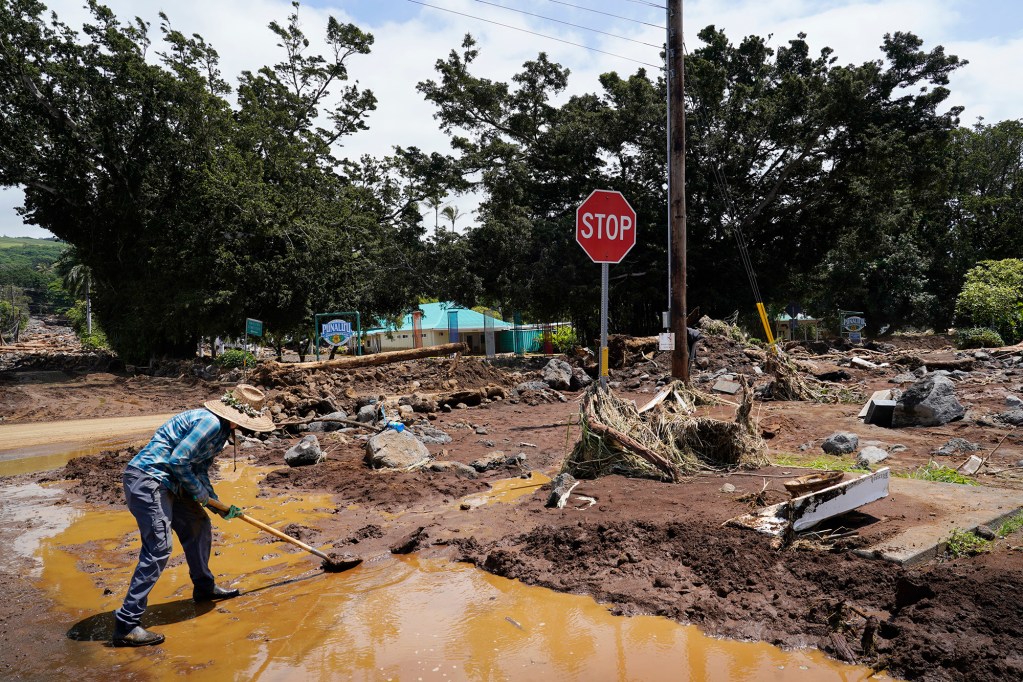
South Hawaiʻi is the state’s largest council district, geographically larger than every other island. Its vast landscape stretches from rainforests to lava deserts.
It’s also not the easiest place to live.
The population is spread out across hundreds of miles, leaving many residents far from services and from jobs in North Kona and Hilo. Many live on water catchment systems, cell service is spotty and the district’s farmers face near-constant threats from disaster, drought and invasive species.
But residents are resilient. Aki and Enriques agree their favorite thing about the district is people’s ability to persevere and their unwavering support for each other.
The two will face off to represent them on Nov. 4. Ballots are expected to arrive in mailboxes around Oct. 16.
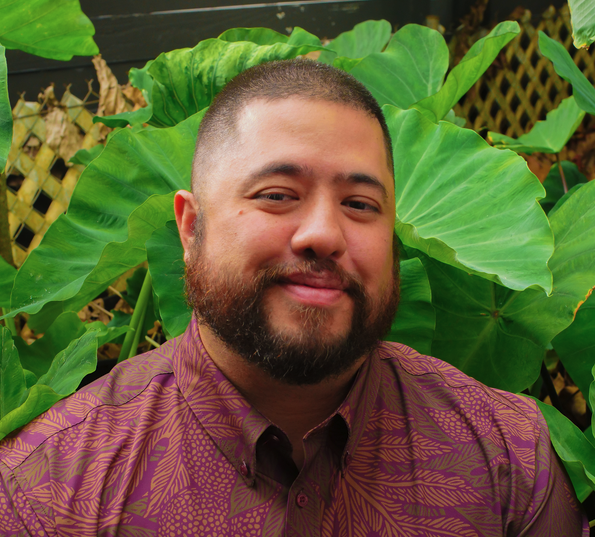
Zed Kaʻapana Aki
Aki said his grandparents always wanted to move back to Kaʻū from Oʻahu. His mom, too. Ten years after he met his wife, who is from Kaʻū, the couple decided to move back.
“I’ve kind of kept the family dream alive of returning,” Aki said.
Aki has never held elected office but he’s spent over 20 years shaping public policy. He’s currently the executive director at Lepoʻula, a nonprofit dedicated to uplifting Kaʻū through “a new model of rural development.”
If elected, Aki wants to address the lack of economic opportunity that pushed out his grandparents.
District 6 contains crucial economic infrastructure, he says, but the community doesn’t see the benefits that brings.
The district is sandwiched by two national parks: Pu’uhonua O Honaunau and Volcano National Park. Tourists often see Kīlauea and then drive south on their way to Kona, stopping at Punaluʻu Bakery and Black Sand Beach before hitting South Point and making their way to the antique stores and cafes in Kealakekua.
“This county wouldn’t be able to have all that ecotourism flowing through us if we absolutely destroyed this place,” Aki said. “So (the county) need to keep us country.” To do so, he said, requires government investment.
He’d like to explore solutions such as alleviating property taxes for residents or finding other ways for the county to offset the cost of living in a rural place.
While Aki wants to keep the country country, he says some development is necessary to ensure residents don’t have to travel hours to Hilo or Kona for work and basic services.
He wants to build a civic center in the district where residents can access county services such as permitting and the Division of Motor Vehicles. He also sees it serving a double purpose, providing local jobs.
“We absolutely need jobs,” he added. “So, we can also hire out of our own community.”
Aki also thinks it’s important to reevaluate recent short-term vacation rental legislation. He’s not opposed to regulating rentals, especially for mainland companies that own multiple homes. But he said the law doesn’t take into account the reality for residents in his district.
“We absolutely need jobs,” he added. “So, we can also hire out of our own community.”
Zed Kaʻapana Aki
“What works best in terms of problem solving for like Hilo or Kona would likely not work for Kaʻū or South Kona,” he said. “We’re so detached from any other economic opportunity that for families who open up vacation rentals this is sometimes their only other source of income.”
He knows that Kaʻū and South Kona have historically borne the brunt of climate change. But he said the community hasn’t received much investment in climate resilience. Ocean View is one of the largest subdivisions on the island but doesn’t have a school or other shelter to use in an emergency evacuation. He’d like to see both of those built if he’s elected.
Another priority would be to build more alternative routes out of the area, in case a flood washes out major roads again or Mauna Loa decides to erupt again.
“Our government needs to step in and start investing more into us,” Aki said, “knowing that we really facilitate one of the major economic drivers of this county and the state.”
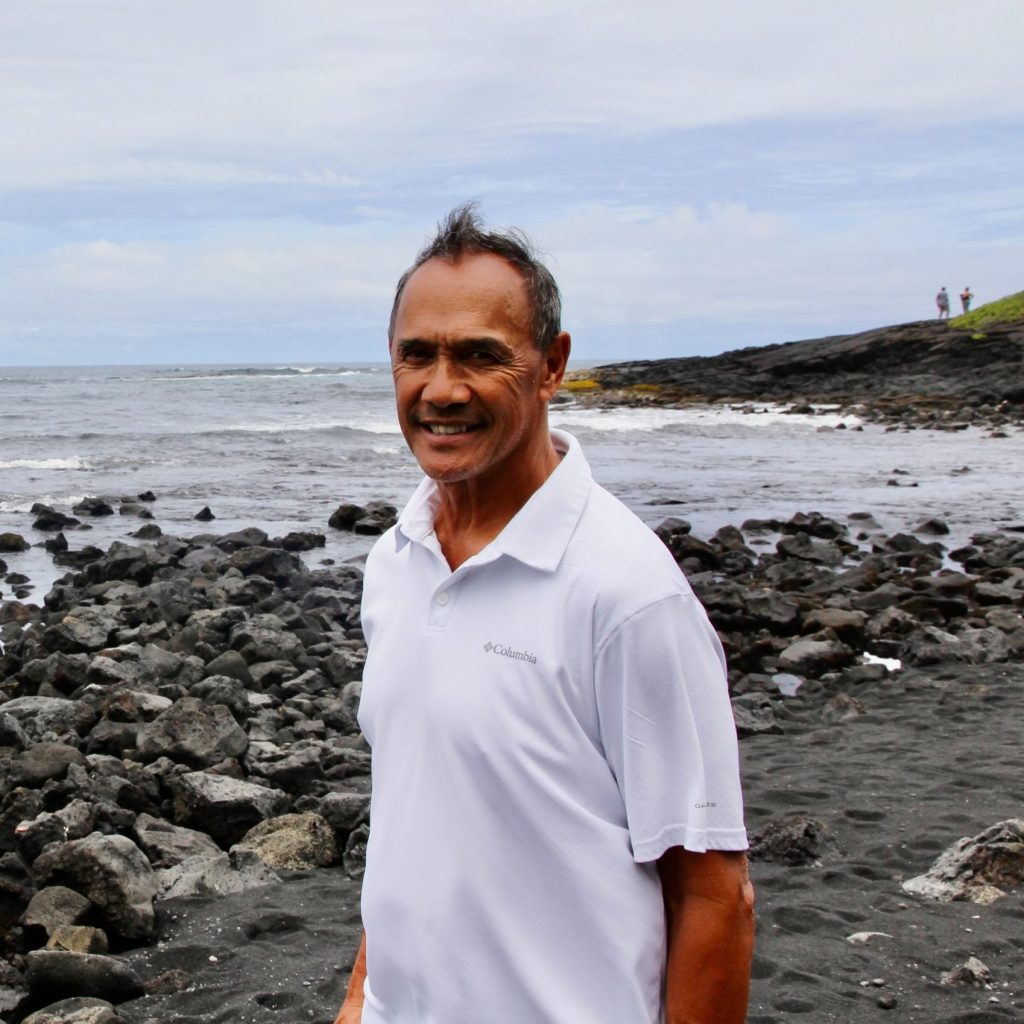
Guy Enriques
Enriques already has some council experience. He served District 6 from 2008 to 2010 before losing his bid for reelection. That experience, he said, is one piece of what makes him a strong leader. And the district needs that, he added.
He doesn’t exactly have a list of issues to address should he win. Instead, he has projects he wants to get done.
In South Kona, he wants to build an outdoor play court next to Clarence Lum Won Park in Kealakekua. The Konawaena High School gym was flooded during the Kona low and has been closed since.
The many sports teams that play in the gym, he said, need an alternative place to practice. He plans to push the state to finish repairs but in the meantime, he’s been talking to landowners to get a few acres donated to the county.
In Ocean View, Enriques wants to build a full-fledged transfer station in Miloliʻi so residents don’t have to travel so far to drop off their trash. He said the area also needs its own police station to speed up response times and an animal control shelter to prevent deaths and maulings from dangerous dogs.
In Volcano, he wants to put in streetlights and speed bumps on Volcano Road to improve safety.
His highest priority, though, is addressing flooding in Kaʻū.
“If we have another hurricane, we’re going to face the same thing over and over,” Enriques said, “unless we identify the source and redirect it so people can live comfortably and not have to worry whether the water’s going to roll down in a certain way.”
“I’ve been in this community almost all my life, and I think I understand them.”
Guy Enriques
The mayor already has plans to work with the U.S. Army Corps of Engineers to create a flood mitigation plan for Kaʻū. If elected, Enriques says he’ll make sure that’s completed.
There are other things he wants to do, such as supporting farmers and preventing further development on the coast and around Volcano. But he hasn’t fleshed out how to address the problems yet.
“I’ve been in this community almost all my life, and I think I understand them,” Enriques said. “As a former councilman, I understand what it takes to do things.”