

End Of Free Summer School Is A ‘Huge Equity Issue’ In Hawaiʻi
Hawaiʻi summer school has been free for students over the past four years, but the end of federal funding means schools must find other ways to pay for the programs.
Sherrie Galdeira credits Hawaiʻi’s free summer school with easing her son into the third grade after a difficult year of online learning during the pandemic, giving him a chance to learn important academic and social skills he had missed out on.
“It really, truly helped,” she said.
Last year, over 220 public schools in Hawaiʻi offered free summer school, up from just 30 schools in 2019. The programs included credit recovery for middle and high school students as well as enrichment classes and transition programs for incoming kindergarteners. Many working families have also come to rely on summer school for reliable child care.
But some of these programs could be coming to an end after this year. The federal Covid-relief funding that paid for much of the expansion has now ended, and the Department of Education projects that schools will need to start charging tuition again in summer 2026.
The department is also looking to incrementally raise the maximum tuition fees that schools can opt to charge for summer programming from $190 to $260 next year and then up to $490 by the end of the decade. The last time DOE raised summer school tuition was in 2010.
The new potential tuition rates would be unaffordable for many families, including her own, Galdeira said. She’s not sure if she’ll be able to pay for summer school next year if her school adopts a fee, but her only other option would be having her son stay at home by himself while she’s at work.
“It’s just too much, too fast,” she said.
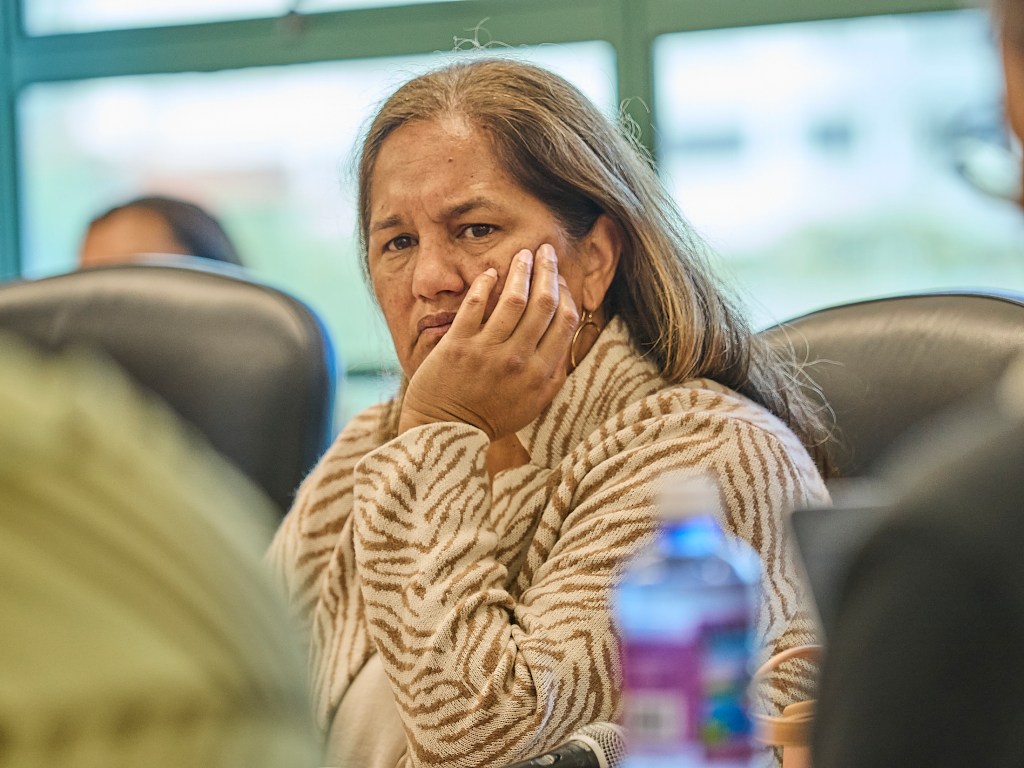
Even if the Board of Education approves the tuition increase, some schools may opt to end summer programming altogether without additional support.
School leaders are hopeful that state lawmakers will step in and prevent the costs from being passed on to families. While Covid relief funds expired last fall, the state provided nearly $21 million to keep summer learning free in 2025.
DOE is asking for another $21 million for its 2026 programs and said the funds could subsidize the programs for families or keep them entirely free. Lawmakers likely won’t make their final decision on the request until the end of the legislative session in the spring.
The department has cited free summer learning as a key piece to helping students recover academically and socially from the pandemic. In spring 2020, DOE estimated that up to 1,100 seniors would need to participate in summer school to earn necessary course credits and receive their diplomas.
‘Another Barrier’ To Enrollment
Last year, over 27,600 students enrolled in summer programs, up from 7,700 in 2019.
But not all principals have seen big jumps in their summer school enrollment, and some say it’s unclear how raising the cost of tuition could affect students’ participation.
On the Big Island, Waiākea High School offers summer school classes in math, English and social studies targeting students needing credit recovery, said Principal Kelcy Koga. The school typically enrolls 300 to 500 students during the summer and charged around $190 for classes before the pandemic.
Even when classes became free in 2021, Koga said, the number of students enrolled in summer school stayed roughly the same. He’s not sure why more kids didn’t take advantage of the free courses, but said the school doesn’t always offer all the classes students want to take because of low interest or teacher shortages during the summer.
While Koga anticipates raising the costs of summer school to $260 next year, he’s hopeful that the increase in tuition won’t deter students from taking the classes they need. He added that he hopes outside scholarship organizations and parent teacher association can help subsidize the costs for families who can’t afford to pay full tuition.
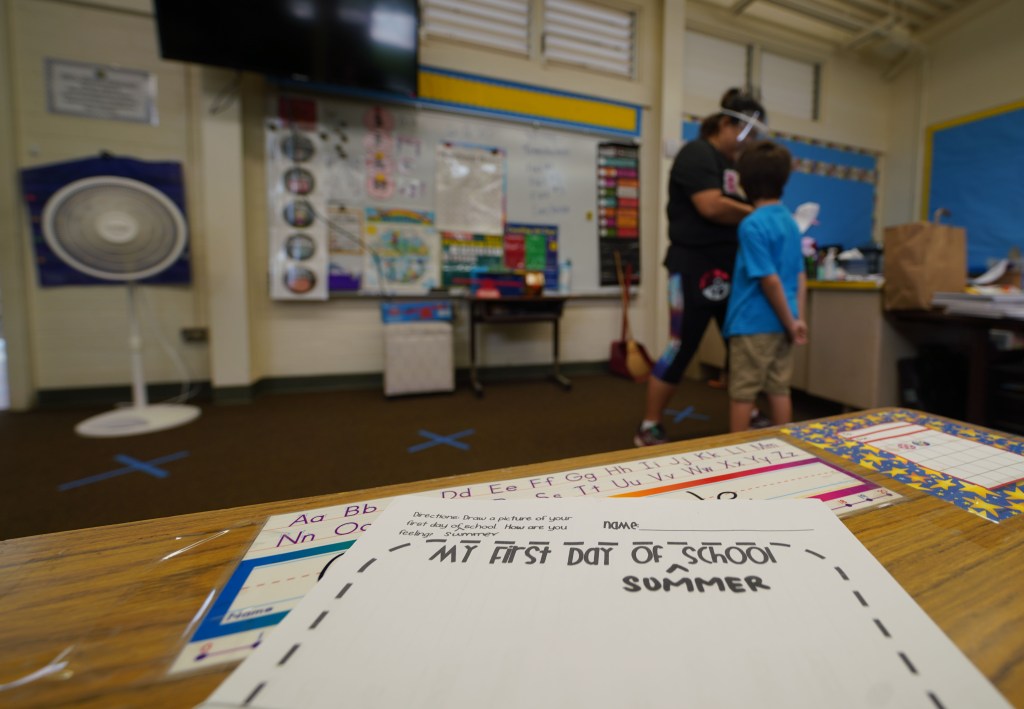
Sometimes, offering free summer school alone isn’t enough to entice kids, said Paula Fitzell, president and CEO of After-School All-Stars Hawaiʻi, which offers summer enrichment programs at 13 middle schools on the Big Island and Oʻahu. Older students taking credit recovery also need childcare options for their younger siblings or want a mix of fun activities and academics to make their summer more enjoyable, she added.
She’s worried that increasing tuition will create yet another barrier between students and summer learning.
Bebi Davis, principal at Ka‘iulani Elementary, said she wants to keep summer school free for her students for as long as possible. Even charging $100 would be unaffordable for many of her families, she said, and she wants all students to have the opportunity to develop their social and academic skills over the summer.
If state funding doesn’t come through for 2026, Davis plans on using the school’s Title I funds to cover the costs of running a summer program.
“There are resources out there; we just need to go find them,” Davis said.
Sarah Milianta-Laffin, a teacher at ‘Ilima Intermediate, said principals want to keep summer school affordable for families and will likely rely on grants or scholarships to help low-income students cover the costs. But, she added, she’s worried families may not realize financial aid is available and will write off summer school as an option.
“That to me is a real, huge equity issue,” she said.
Civil Beat’s education reporting is supported by a grant from Chamberlin Family Philanthropy.

