Maui’s Last Wild Beaches: Locals Fear Upgrades Will Sideline Them
Some members of the Maui community worry that proposed upgrades to Mākena State Park could pave the way for more transformative changes in the future.
For as long as she could remember, Donna Dowling has been comforted by the rugged wilderness of Mākena State Park on South Maui’s coast.
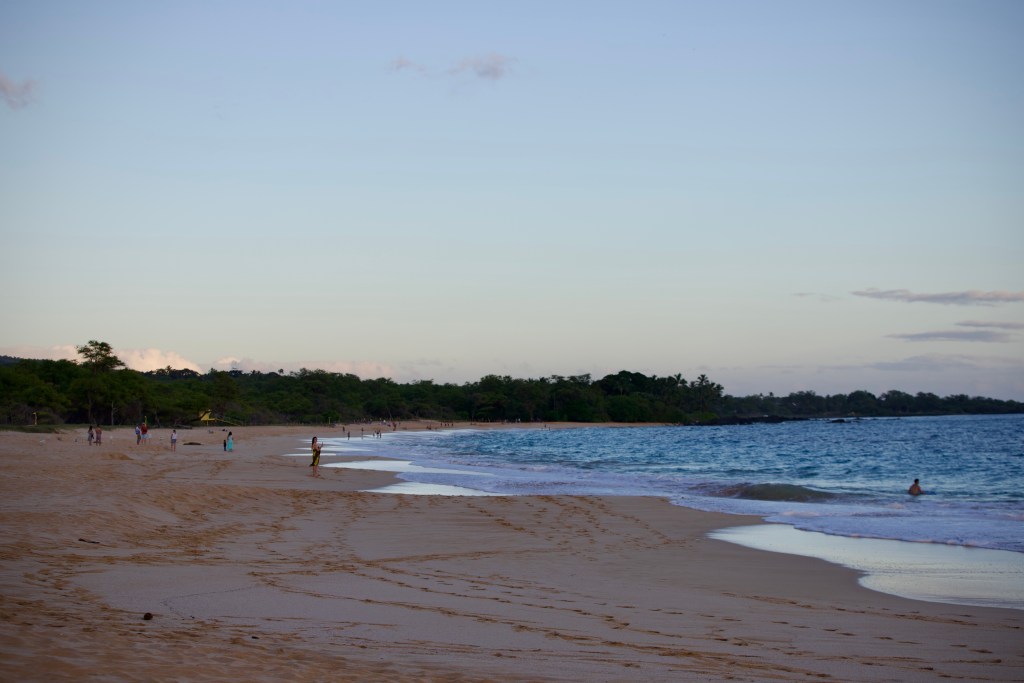
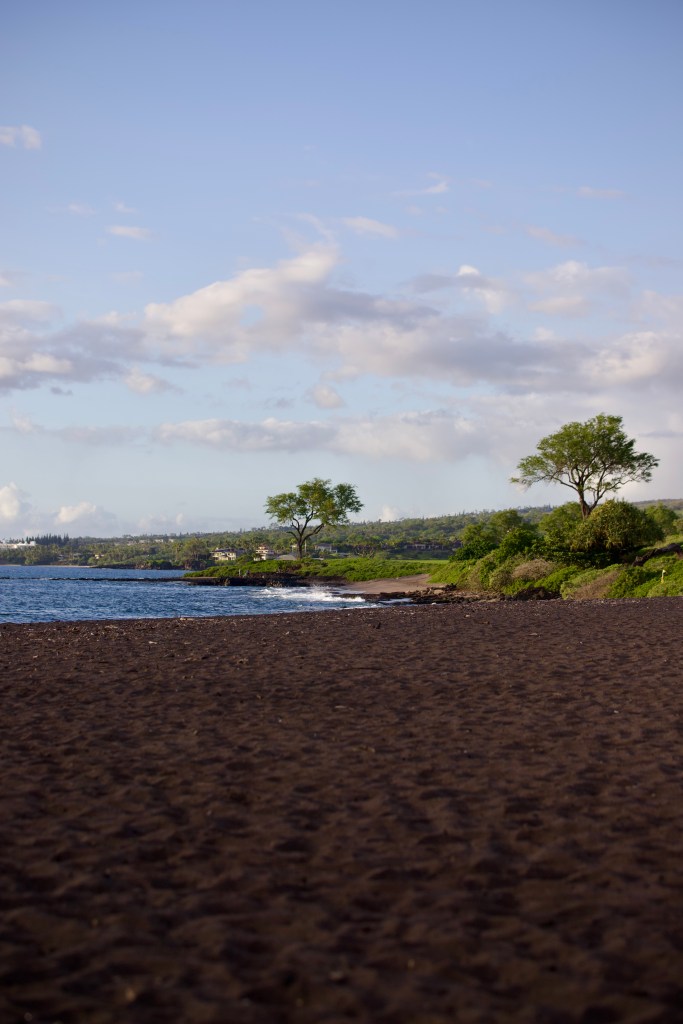
The park’s three beaches — Oneloa, or Big Beach; Oneuli, or Black Sand Beach; and Puʻu Ōlaʻi, or Little Beach — are among the last remaining beaches on Maui that still feel like they did when Dowling was a teenager, untouched by time and far away from the strip malls, resorts and condominium complexes that have transformed other parts of the island, she said.
“It feels like home,” said Dowling, 71. “I can go there, and because it is still in its natural state, a sense of peace and well-being comes over me.”
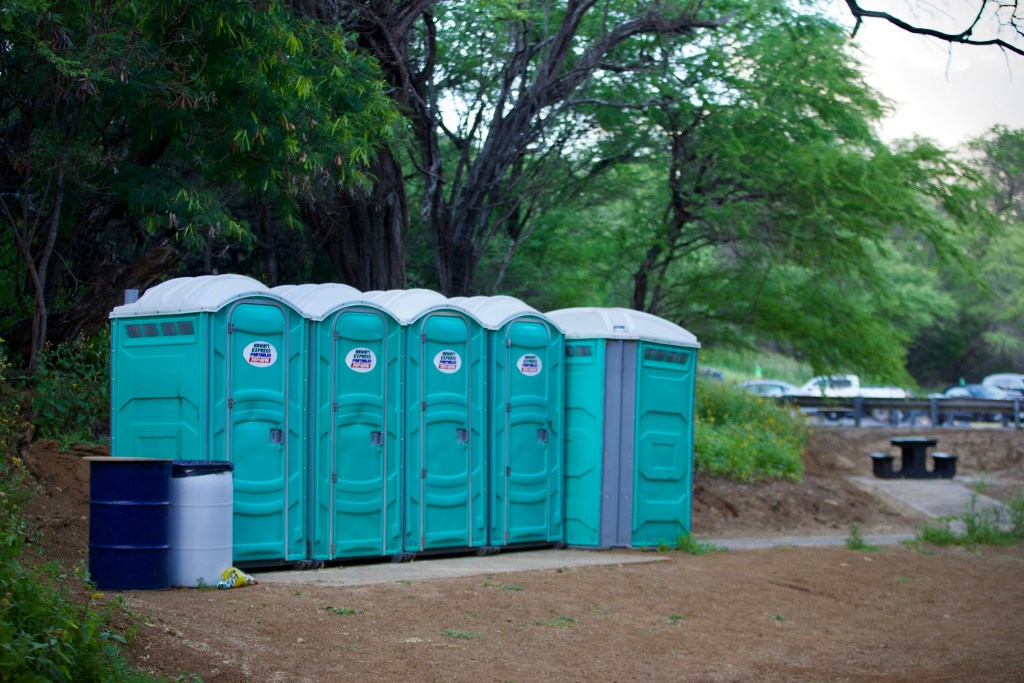
After more than a decade of planning, the state is preparing to upgrade the 165-acre state park by expanding the paved area of parking lots, replacing portable toilets with permanent bathrooms, installing showers or foot rinsing stations and securing permits for existing pay stations and toll booths.
But Dowling and others who regularly visit the park’s beaches said the state’s plan could threaten the wild, untamed beauty that has long made Mākena beaches so special, and they worried that the upgrades could lead to more drastic changes in the years to come.
On an island where most of the vast white sand beaches are surrounded by luxury resorts, pricey cocktail bars and tourist trap gift shops, some community members see Mākena’s portable toilets and dirt parking spaces as part of its appeal.
“Don’t bring all this junk in there — water and sewer infrastructure, asphalt and all of that stuff,” Dowling said. “When I go to Mākena, I pack for myself for my adventure. I go in there, and walking in, it just is that feeling of the wilderness and the spirit.”
‘These Aren’t Revolutionary Changes’
The parks division of the Hawaii Department of Land and Natural Resources still needs approval from the Maui Planning Commission, which is expected to take up the issue during a public meeting on June 23.
Over the last week, flyers and social media posts encouraging people to voice opposition to the plan have spread through the community and fueled concerns that access could soon be restricted at one of South Maui’s most cherished gathering places.
Contrary to widespread rumors, the proposed changes — which were previously estimated to cost roughly $2.1 million — are intended to improve visitors’ overall beachgoing experience, ensure public shoreline access and preserve the area’s natural and cultural resources, according to Alan Carpenter, the division’s acting administrator.
The proposed upgrades come after years of planning and feedback collected from hundreds of community members between about 2013 and 2020, Carpenter said. While a majority of residents surveyed said they supported the installation of permanent restrooms and showers at the park, he said there was little else they would change.
“The overarching sentiment was that they didn’t want it to change much,” he said. “They wanted to keep the wilderness character and all of those things. I think we have honored and are hoping to achieve that here.”
Some community members told Civil Beat that they supported the installation of modern amenities like showers and flushing toilets at Mākena State Park, and others felt indifferent about the proposal. Carpenter said the primary change planned for the parking lots would be paving and adding marking spots to dirt areas already used for parking, and public access to the park would not be affected in any way.
“These aren’t revolutionary changes,” he said. “We’re just talking about the improvement of the existing experience for those who already come and visit.”
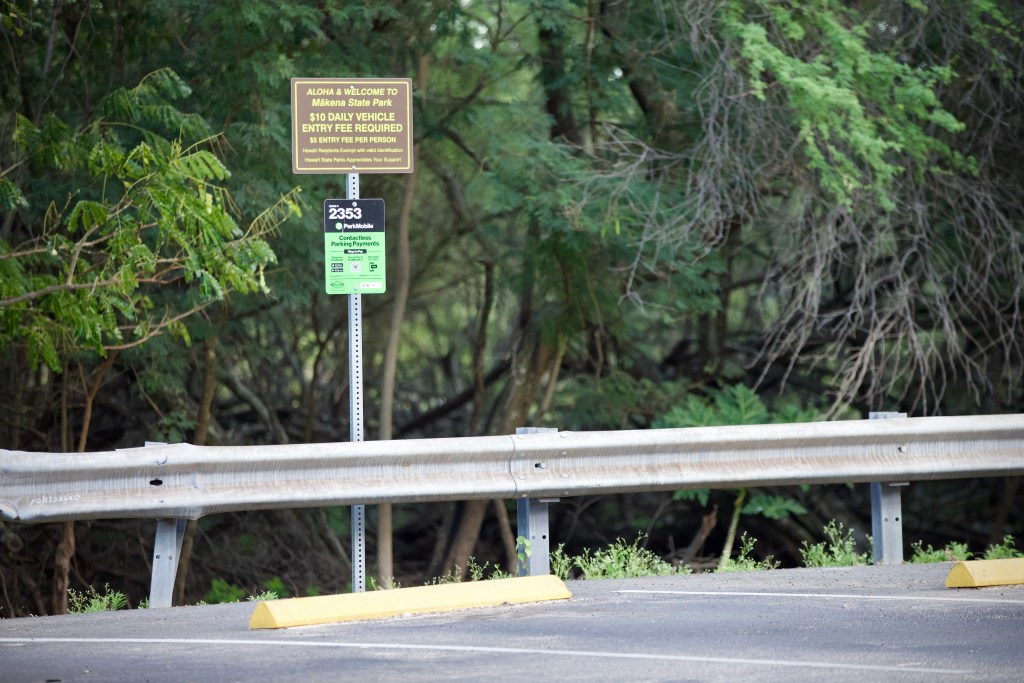
The amenities are standard for what people expect when they visit a state park and pay an entrance fee, he said.
However, Dowling and others said the upgrades currently being discussed would detract from the undeveloped, natural feel of the park, and they fear the changes are intended to attract more tourists, reduce walk-in beach access and even implement a reservation system like ones already in place at other state parks like Waiʻānapanapa in East Maui, Diamond Head on Oʻahu and Hāʻena on Kauaʻi.
“Big Beach is going to be an enormous attraction to tourists. They’ll be shuttling them in from the resorts,” said Bill Watts, detailing his prediction for the future if state officials move forward with the plan. “They’ll have gentrified the park.”
Watts added that while the state’s plan would not eliminate paved parking spaces, it would reduce the number of cars that can park in currently unpaved areas. He and Dowling also both noted that the plan was based on community feedback collected before the Covid-19 pandemic and the 2023 Maui wildfires, which drastically reshaped Maui’s tourism industry.
Carpenter said he would like to see construction start as soon as the plan is approved by the county.
“These are funds that we’ve been waiting for years to spend, and the designs have been done forever,” he said. “We’re just waiting for this last step in a series of approvals.”
Several years have passed since funds for the project were approved, so the project’s estimated cost has increased substantially, prolonging the time Carpenter said is expected to complete construction. The first phase would include a comfort station and parking lot improvements near the park’s northern entrance.
Is Mākena The Next Hāʻena?
A majority of Mākena State Park came under the protection of DLNR in the latter half of the 20th century, after a group of residents known as State Park at Makena — or SPAM — spent years fighting for the government to acquire the area above Big Beach from a developer.
Today, the park’s three beaches are among those most beloved by residents and visitors to the island. In the years before the pandemic, Big Beach was one of the county’s most popular beaches.
Officials from DLNR, which manages the park, have publicly discussed intentions to update Mākena State Park for more than a decade, in part because of overcrowding and to ensure existing parking lots can accommodate residents’ vehicles.
In 2020, the agency launched a paid parking and entrance fee program for anyone without a Hawai’i ID, a strategy that has been employed in other parts of the state as part of a broader effort to combat overtourism.
DLNR Chair Dawn Chang told state lawmakers in 2023 that the agency was considering implementing a reservation system at Mākena State Park. She also said the department was planning to install a fence around the park to “restrict the people who access from outside the park boundary and to further ensure that capacity is regulated” by discouraging street parking.
None of the publicly available documents related to the state’s current plan for Mākena State Park describe plans to implement a reservation system, and Carpenter said residents had no reason to worry about their beach access being restricted.
“I don’t think we were envisioning reservation systems when this plan was going through,” he said. “From my perspective as the head of state parks right now, we don’t need it. If residents could not get parking at Mākena because of overcrowding, that’s when we would implement the reservation system in favor of residents.”
Still, some community members aren’t convinced. Watts, Dowling and others worry DLNR is preparing to roll out more transformative changes like those implemented at Kauaʻi’s Hāʻena State Park, where the number of legal parking spots were reduced, a reservation system was implemented and entry was restricted to one access point.
Carpenter said he was aware of the growing community backlash. Even though he was a primary architect of the changes at Hāʻena and he believes those adjustments have enhanced the experience for residents and out-of-state visitors to the Nāpali Coast park, Carpenter said he has no intentions of doing anything comparable at Mākena.
“I keep hearing mention of Hāʻena, and these are very different situations,” he said.
While Big Beach can be accessed from multiple places, Hāʻena is only accessible from one official entry and exit point with a small parking lot. In the past, the Kauaʻi park was overrun with tourists and parking spilled out onto the roadway, causing traffic jams and preventing residents from enjoying one of the island’s cherished places, Carpenter said.
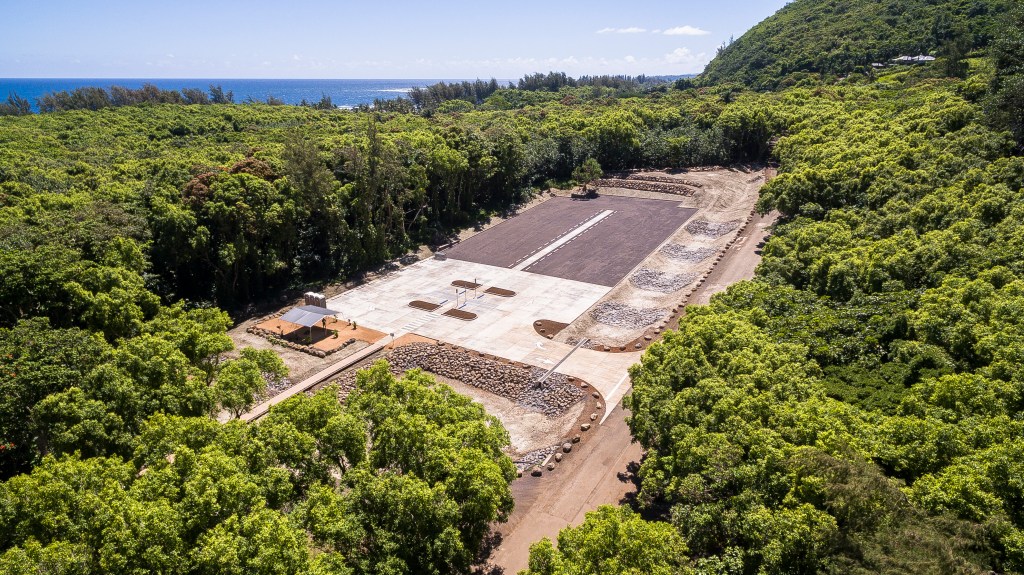
Unlike Hāʻena in the years before these changes were implemented, Mākena “isn’t an overcrowded park,” he said. It is, however, a busy state park, so state officials are looking to make changes to manage sewage and wastewater and improve the overall beach experience.
“We have zero changes in access for the foreseeable future for Mākena State Park,” he said. “I want everybody to hear that loud and clear.”
Carpenter also said he was not aware of any plans to restrict street parking, and such plans would be handled by local officials because Mākena State Park is on a county-managed road.
Carpenter added that he was committed to building trust with the community and working with residents to co-manage state parks like Mākena.
‘It’s Never Changed There’
Big Beach — with its vast expanse of pristine white sand, vivid turquoise waters, notoriously tumultuous surf and views of Molokini Crater and Kahoʻolawe — is surrounded by overgrown vegetation and interwoven kiawe trees, making it feel far away from the hustle and bustle of more heavily developed Maui communities like Kīhei and Kāʻanapali.
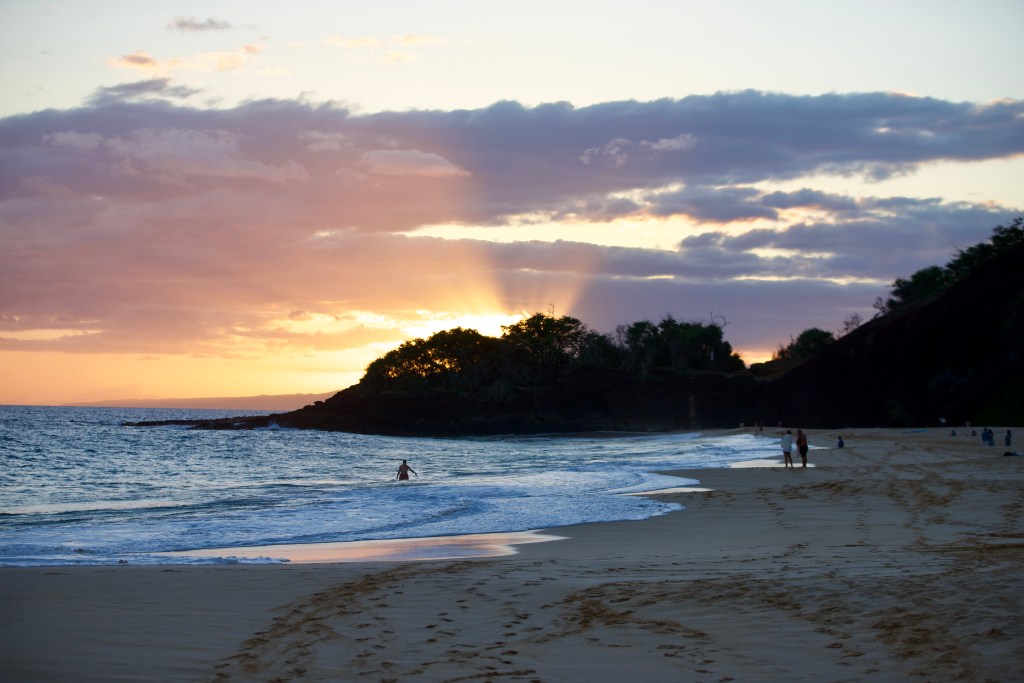
“This really is one of the last places that we can go and meet people and it’s not all restricted. It’s still like the old days,” Dowling said. “It’s never changed there, and so because of that, it’s become a place where family and friends started gathering.”
Dowling said Big Beach and other Mākena beaches have long been places for her to escape the stresses of day-to-day life and surrender to nature, and she feels physically ill when she thinks too much about any changes that could deprive her and others of that experience.
“It would be easy to pollute and pave Big Beach,” Dowling said. “It would take just a second, but you’ll never get it back.”