Reader Rep: Together, Journalists Can Do Great Things
Competition can help drive better journalism. But in the end, journalists should all be on the same side.
As a media ecology observer, I had quite a view recently at the state’s annual Society of Professional Journalists’ awards banquet. I left the Japanese Cultural Center of Hawaii that night with a few new thoughts about the Hawaii press corps, primarily the impression that local journalists would benefit significantly from more collaboration.
For that one night, at least, all of the journalists were on the same team and the potential was obvious. While competition is important in the industry and it pushes people to explore their limits, journalists actually share a larger societal purpose and can help everyone in the community more when they act as a collective of unrelenting truth seekers.
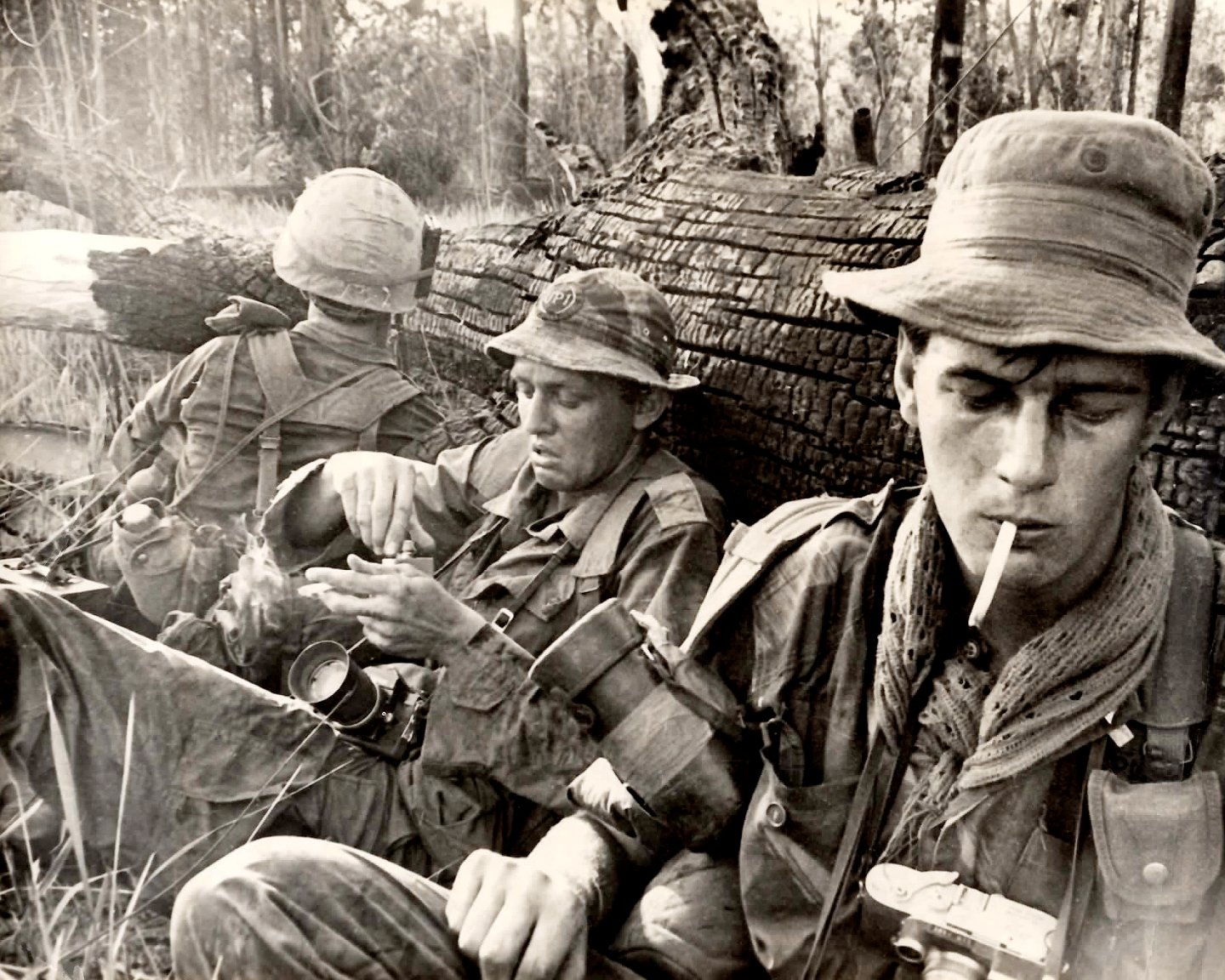
United by ideological pledges, such as the SPJ Code of Ethics, journalists could envision each other as fellow do-gooders. On a similar life path, they could work solely for their audiences (not advertisers, public-relations flacks, lobbyists, editors or publishers) to promote open discussions of the most important and timely issues in our diverse and multilayered communities.
Or they could be out only for themselves.
Journalists actually hurt each other – and don’t gain much in return – by ripping off the hard work of others without giving proper credit (such as what happened to Nancy Cook Lauer when she broke the Billy Kenoi story) or cutting each other out (such as when Hawaii News Now lays unwarranted “EXCLUSIVE” claims on stories). The folly of such divisive approaches also could be seen in the ways in which the public-relations/news was generated about the SPJ awards, revealing something about the character and culture of each local media organization.
The Star-Advertiser staff, for example, helped to judge SPJ entries from another chapter, and the local magazine-layout entries. But otherwise, the state’s largest news media source appeared unengaged, apparently submitting few entries. Only one blogger (Diane Ako) affiliated with the publication, touted as the 12th largest newspaper in the country, received a state award. One of the three primary local television news channels, KITV, did not earn any awards or participate in any apparent way.
Civil Beat, on the other end of the engagement spectrum, wrote about the event in depth, with Editor Patti Epler noting that the online-only organization has won the “best overall news website” award every year since it was founded in 2010. It also took home the top prize, the public service award, for the work by reporter Jessica Terrell and photographer Cory Lum on “The Harbor: This Waianae Homeless Camp is Not What You’d Expect.”
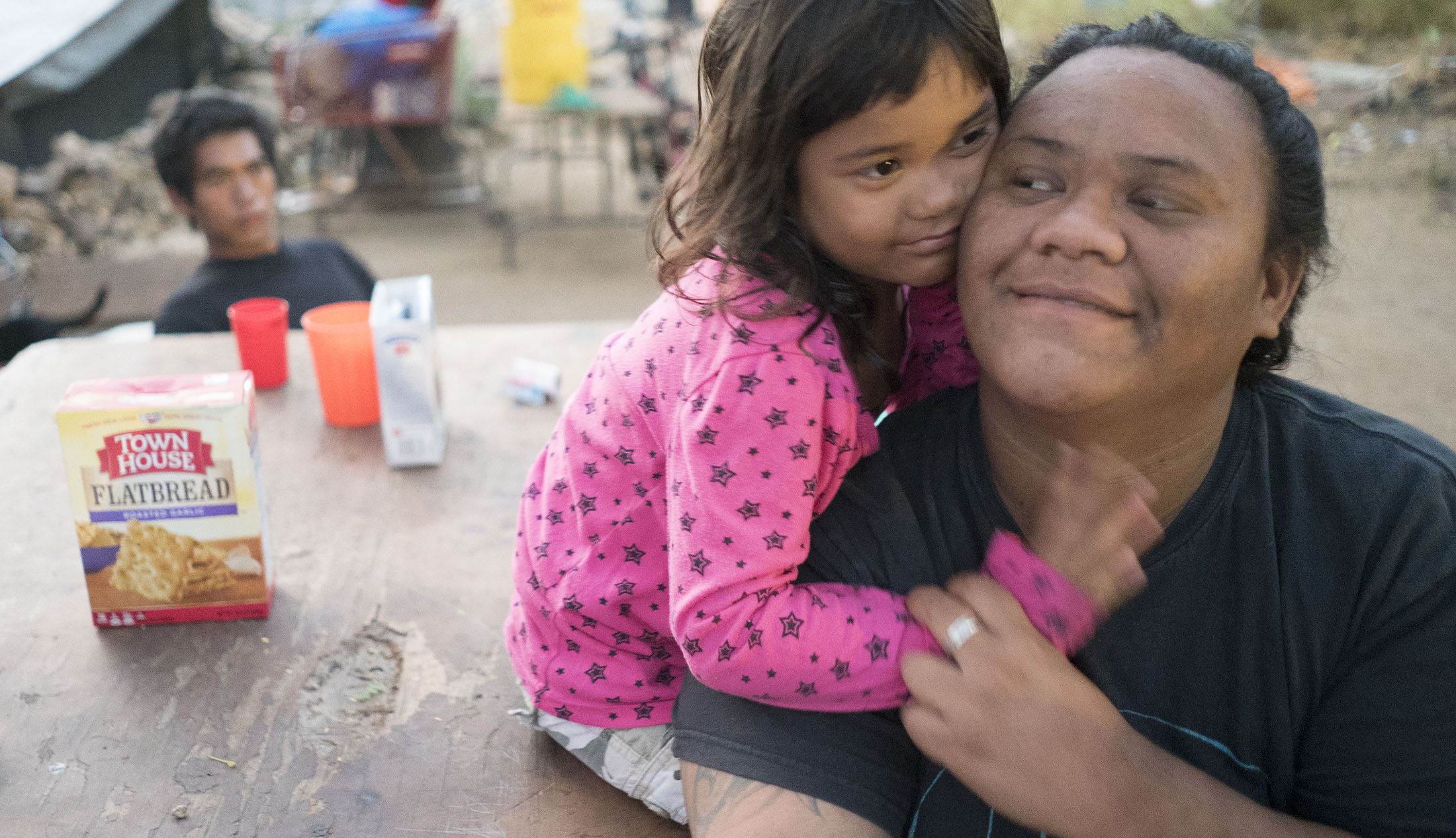
“The Harbor” is one of those pieces of journalism that everyone in the state, especially those perplexed by homeless issues, should spend significant time exploring. Yet we all would have benefitted if Civil Beat and the Star-Advertiser had competed head-to-head in this contest. And then, by being in the same forum and same building, such healthy competition could fuel positive tension and collaboration between them (and others) to raise the level of journalistic discourse in the state altogether.
Epler, in her column, celebrated Civil Beat and its haul of 14 first-place awards, of course. But she also provided an overview of the other work and acknowledged the efforts of all winners, with a hyperlink to the full list of awardees. Such a link, to at least recognize that others exist in this journalism community, seems like a small courtesy. But two local television news stations (Hawaii News Now and KHON) included links only to their award-winning stories and just a general line about their colleagues in the state. They lost an opportunity to extend and develop relationships among journalists as well as to increase public understandings of the larger journalism community.
If we celebrate together the best of what we can produce as a group and cover that activity like we would any other industry event (instead of as an advertorial), we can grow together and become even stronger as a community of journalists.
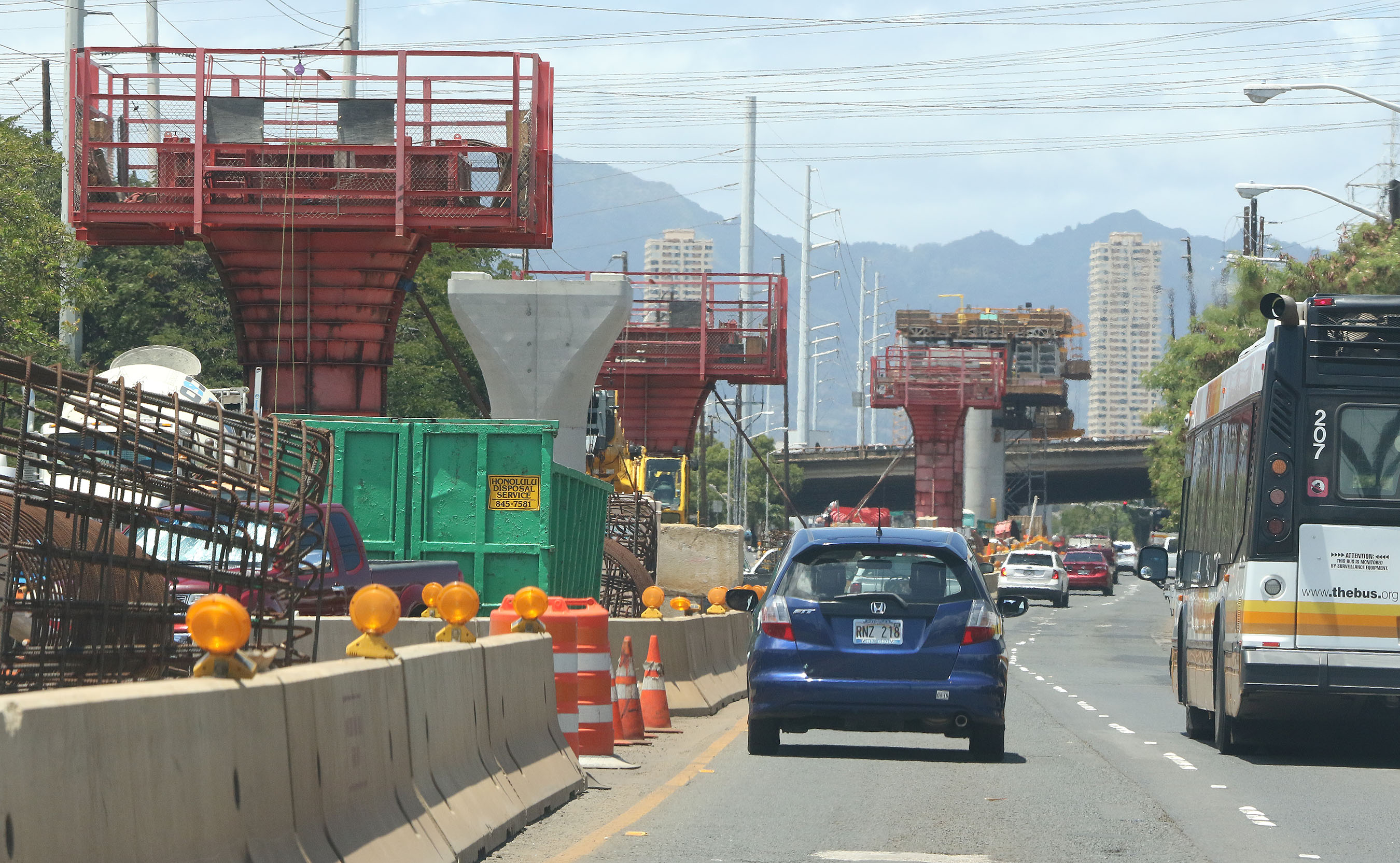
Just think about, for example, the unprecedented synergy being generated by the International Consortium of Investigative Journalists and their collaborative effort to understand and share the scandalous information found in the Panama Papers. Now, imagine that sort of journalistic teamwork being used to figure out what really is happening behind the scenes with Honolulu Rail, the HECO-NextEra monopoly transfer or even the jaw-dropping school air-conditioning bids.
As the awards ceremony showed, Hawaii already does a lot of great journalistic work. Besides “The Harbor”, Civil Beat created many important and award-winning stories last year, such as Chad Blair’s coverage of The Micronesians, Nick Grube’s investigation into the death of Aaron Torres, Anita Hofschneider’s clever social-media collaging, Eric Pape’s focus on the local cost of living and Nathan Eagle’s efforts to build more publicly accessible databases.
But if you only read Civil Beat, you might have missed many other interesting acts of journalism around the community. The full list of award winners presents a wide selection to choose from, but here are five that I think especially are worthy of another look:
- “Is Your Job in Danger?” by Lavonne Leong, Hawaii Business Magazine, first place for magazine feature writing (long form). This piece addressed the growing abilities of robots to perform complex local jobs that previously required humans.
- “Staffing questions unanswered as wider impact of sewage spill revealed,” by Gina Mangieri, Manolo Morales and Justin Kanno of KHON, first place for television reporting. These journalists fought through a lot of bureaucratic static but kept on pushing for information (and should not give up on some of these key lingering questions).
- “Tripping the Night Fantastic,” first-place feature photography by Hawai’i Magazine’s Aaron Yoshino, Cody Kawamoto and Derek Paiva. They show Honolulu after dark, but not in the ways you might typically think about, including images of workers at the airport, kids hanging out at a skate park and people playing kickball under the lights of a softball field.
- Sonny Ganaden’s cultural stories for FLUX magazine in 2015; SPJ picked his “body of work” to be celebrated this year. Ganaden’s new multimedia piece about the plight of native Hawaiian birds, titled “Fight or Flight,” stood out to me. It transcended a traditional print product and the usual esoteric discourse about the habitat of birds, by including Ganaden’s distinct writerly voice and audio clips of the birds, to layer a sophisticated info-soundtrack on local forests.
- Diana Kim’s personal story reflecting upon the question, “What Do You Do When the Homeless Man on the Street is Your Father?” This Honolulu Magazine piece won first place for the all-media photo/video essay. Kim’s raw reflections paired with her intimate imagery kept me returning over and over to marvel at this one.
What were your favorite pieces of local journalism in 2015? And why? Link to those in the comments section below, so we can appreciate even more of this community’s exemplary work.
While the din about the decline of American journalism typically harps on profit-margin losses for publishers, let us take at least a moment now to move away from that paradigm and refocus on what’s really important to most of us: the journalistic work. I hope you enjoy these award-winning pieces. I hope you are thankful for them and the journalists who live among you, making these efforts. I hope we can continue to build a robust and rich journalism community here by putting our energies into what we can do together, not apart.