U.S. Sen. Brian Schatz says American diplomacy is essential in Iraq, which today is in the throes of sectarian upheaval led by an Islamist terror group that is also wreaking havoc in Syria. But the only way for that diplomacy to work, Schatz said, is to protect the U.S. Embassy in Baghdad with the support of American troops that have already been deployed. “We’re not at the point where we have given up on diplomacy,” Schatz told Civil Beat in a recent interview at his campaign headquarters. “We’re not at the point where we have given up on having an embassy in Baghdad.”
U.S. troops have spent a lot of time in the Middle East in recent years, and they still have roles to play there.
jpopeck - Fotolia
Lately, this has become a sticking point between Schatz and U.S. Rep. Colleen Hanabusa, his opponent in the Aug. 9 Democratic primary. It’s all but assured that whoever wins that race will prevail in November as well. Hanabusa, who sits on the House Armed Services Committee, has been a sharp critic of President Barack Obama’s
deployment of hundreds of troops, aerial drones and helicopters to Iraq as part of a security detail to protect embassy personnel and advise Iraqi forces.
“We’re not at the point where we have given up on having an embassy in Baghdad.” — Sen. Brian Schatz
While the president has stressed that the troops will not partake in combat operations, Hanabusa has voiced skepticism over his actions. Over the past several weeks she has issued press statements and taken to Twitter to question U.S. involvement in Iraq and whether the president has a clear plan of action. Republican U.S. Sen. John McCain has aimed similar criticism at the administration, saying defense officials have been unable to articulate a clear strategy for Iraq. Hanabusa describes the growing conflict in Iraq as a civil war between Sunnis and Shiites. That conflict is being promulgated by the uprising of the Islamic State of Iraq and the Levant (ISIL).
U.S. Sen. Brian Schatz
PF Bentley/Civil Beat
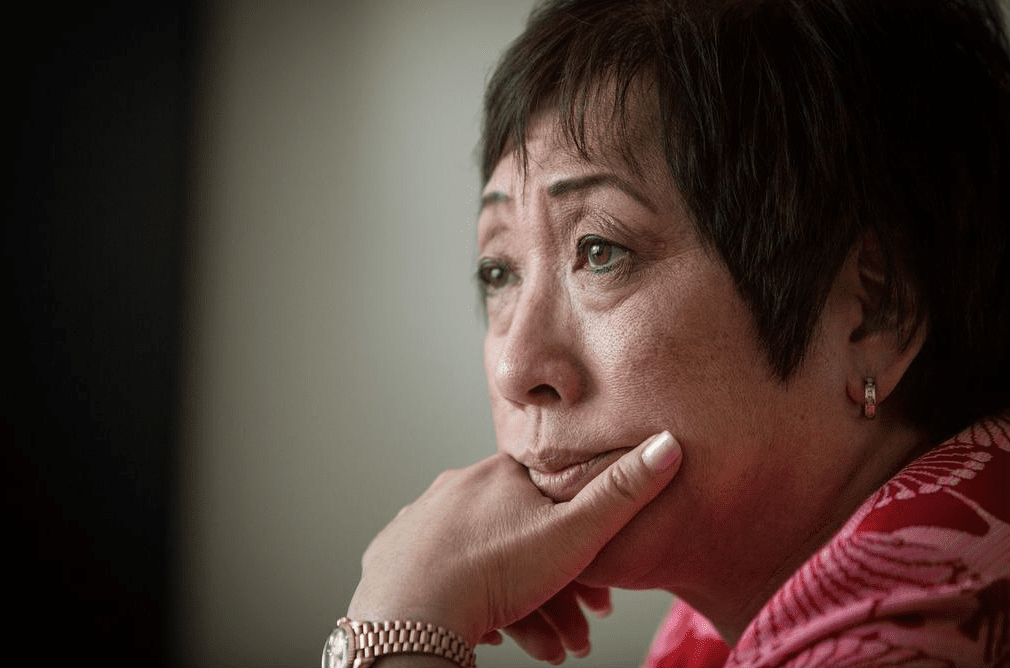
In a recent interview with Civil Beat, she explained that she wants a detailed explanation from the president as to why the U.S. is again getting involved in Iraq. Until that happens, she said the U.S. has no business sending more troops into the country, even if it is to protect the embassy. “You’re not talking about al-Qaida, you’re not talking about Taliban, you’re not talking about an entity that quote-unquote took down the World Trade Center,” Hanabusa said. “This is a sectarian civil war between the Sunnis and Shiites. … So what is it that we’re trying to do here?” If the president is so worried about the security of the embassy in Iraq, she said, the U.S. should withdraw. Schatz has called this stance “radical,” and has attempted to play up its long-term implications. Security is all the more important, Schatz has said, in light of the deadly attack on the U.S. consulate in Benghazi, Libya, in 2012. Aside from their differences about the embassy, Schatz and Hanabusa have strikingly similar views on the U.S.’s future involvement in Iraq and the Middle East. Neither candidate wants to re-engage in the Iraqi conflict, saying it’s a quagmire that the U.S. never should have entered in the first place.
“This is a sectarian civil war between the Sunnis and Shiites. … So what is it that we’re trying to do here?” — U.S. Rep. Colleen Hanabusa
“It’s not at all clear that the United States can play a productive role,” Schatz said. “I think we’ve learned that as bad as things are sometimes they can get worse with our intervention.” The candidates are also circumspect of Obama’s request for $500 million to train and equip Syrian rebels. Both worry about weapons falling into the wrong hands. Hanabusa and Schatz also look to Egypt to broker a ceasefire in the Gaza Strip, where Israel has launched an assault on Hamas. In many ways, these similarities seem to outweigh the differences between the candidates, even as they try to stake out as much ground as possible for the upcoming election.

U.S. Rep. Colleen Hanabusa
PF Bentley/Civil Beat
University of Hawaii professor emeritus and political observer Neal Milner says the candidates’ disagreement over the embassy is a “small difference about a large issue.” But he said Hanabusa is playing to the Democratic Party’s liberal base in addition to seizing on Americans’ general overall sentiment about
U.S. involvement in foreign conflicts, including in Ukraine. “In the background of this lurks the fact that Americans seem to be really reluctant to intervene in virtually any situation that they can think of that’s on the horizon right now,” Milner said. “It taps into an anxiety about intervention that is really quite strong.” Hawaii’s congressional delegation has a tradition of opposing U.S. involvement in foreign conflicts. The entire delegation, including former U.S. Sens. Daniel K. Inouye and Daniel Akaka, voted against the 2002 Iraq war resolution. And when former U.S. Rep. Ed Case challenged Akaka for his Senate seat in 2006, their divergent views on the matter
became a significant campaign issue. Milner acknowledged that Hanabusa’s stance on Iraq also puts her at odds with Obama, who has endorsed Schatz. “It’s not a bad strategy for Colleen,” Milner said. “It’s a way to be a critic without attacking Obama directly.” Obama, who is from Hawaii, still has a high approval rating in the Aloha State.
 GET IN-DEPTH
REPORTING ON HAWAII’S BIGGEST ISSUES
GET IN-DEPTH
REPORTING ON HAWAII’S BIGGEST ISSUES