

Lawmakers Look to Preserve Subsidies for Preschoolers
Funding to continue the Preschool Open Doors Program passes out of two Senate committees.
A preschool program inadvertently left off the governor’s budget is making a comeback through the Legislature.
Senate Bill 64 to fund the Preschool Open Doors Program passed through a joint hearing of the Senate Committee on Human Services and Housing and the Committee on Education on Thursday afternoon.
It would allocate $6 million to provide subsidies to low-income families subsidies to help pay for preschool. It would also allocate $440,00 for three positions and other services to continue the program.
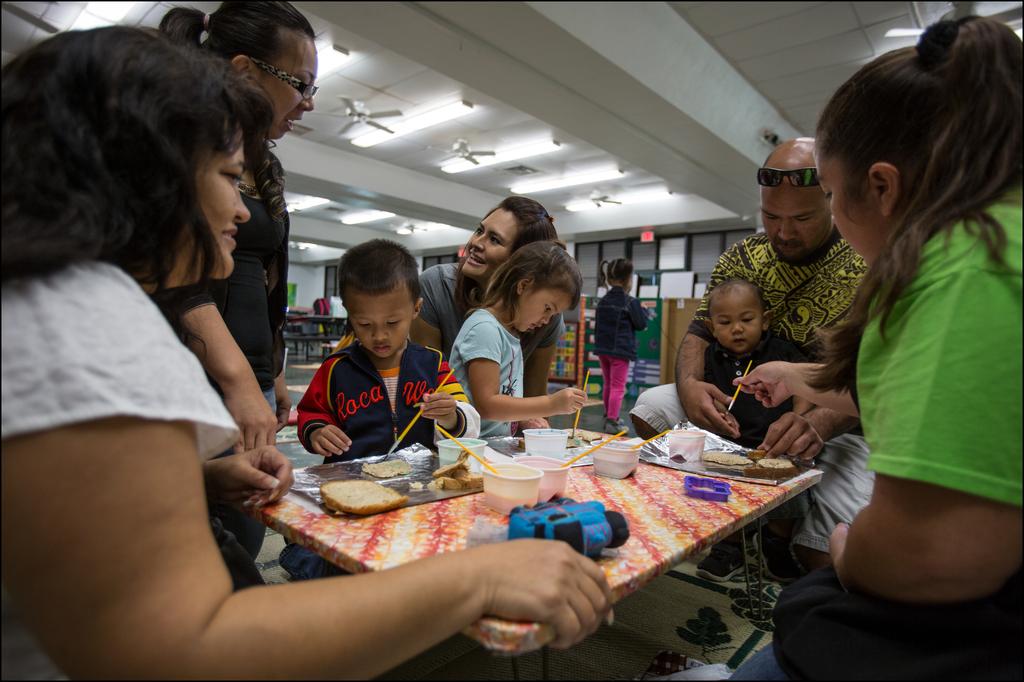
Advocates say preschool increases students’ chances of graduating from high school and moving on to college.
PF Bentley/Civil Beat
“I just really hope the state sees how valuable this program is,” Seagull Schools Director Chuck Larson said.
Currently, the program helps approximately 1,300 low-income or at-risk 4-year-olds. The subsidies are adjusted on a sliding scale based on financial need, but the average was $544 per month in 2014.
“If the Preschool Open Doors program ceases to exist, children from low-income families in Hawaii will be less likely to have the strong start to their education that is needed to provide the bridge to a successful college experience,” said Scott Morishige, executive director of PHOCUSED, which advocates for low-income families.
According to a 2013 report by ChildCare Aware of America, preschool can cost a family up to $8,172 a year – that’s more than 10 percent of Hawaii’s median household income. The average income for Hawaii families who qualify for the POD program is $33,000 a year, according to the Good Beginnings Alliance.
The POD program was started in 2013 to provide a statewide school readiness program for children in low- to moderate-income families. It started with a $1.6 million budget and served just over 300 children before the budget was increased to $7.6 million in 2014.
In 2012, lawmakers passed Act 178 requiring that children must turn 5 by July 31 to start kindergarten that year. That left more than 5,000 late-born 4-year-olds no longer eligible to attend kindergarten, which meant families lost out on all-day school, free or reduced lunch and after-school programs.
Deborah Zysman, executive director of Good Beginnings Alliance, said that losing the POD program could impact Hawaii’s federal funding for early education programs. The amount that Hawaii receives is often dependent on the amount that the state spends, she said.
Several people who testified said the POD program gives low-income students a better chance to graduate high school and move on to college. The program has also helped teachers recognize early signs of developmental issues that might have gone unnoticed at home.
“We have been able to catch early identification of possible speech delays and enable services for them that might have been serviced to them at a later date if the problem had gone unnoticed,” Director of Olivet Baptist Preschool Rebecca McGuire said.
SB 64 would have to pass through the Senate Committee on Ways and Means before it moves to the full Senate.

