

Should Hawaii Buffer Schools From Pesticides?
UPDATED: Lobbyist for chemical companies says “mainland activists” want a pilot project that isn’t needed.
Updated 2/9/2016
Depending on who you ask, people are either truly concerned about the health effects of spraying pesticides near schools or they’re just a bunch of haoles trying to tell Hawaii what to do.
About a dozen people testified Tuesday — and the written testimony of hundreds more was released — on legislation to create a pilot project in which vegetative buffer zones would be established around five schools that are within a certain radius of commercial agriculture companies that use restricted use pesticides.
The House agriculture and environmental protection committees deferred decision-making on House Bill 2564 until 8:30 a.m., Feb. 16, in Room 325 at the Capitol.
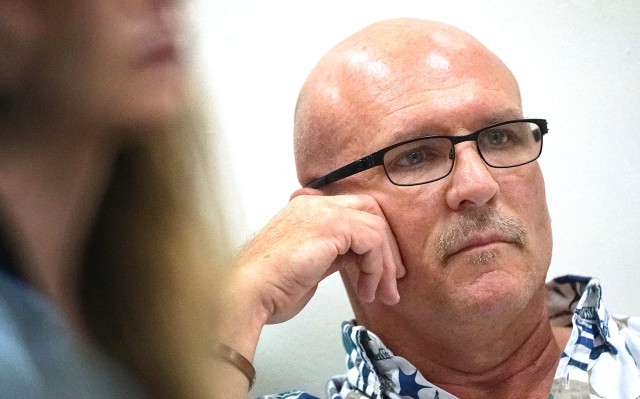
Alicia Maluafiti, a lobbyist for CropLife America, a pesticide advocacy group, told lawmakers that homeowners are misusing pesticides, not farmers. She’s also a former lobbyist for Hawaii Crop Improvement Association, which advocates for GMO seed companies.
Maluafiti said it’s just another case of “mainland activists” who are “trying to save us from ourselves.” She called them “21st Century missionaries.”
Ashley Lukens, a lobbyist and director of the Hawaii Center for Food Safety, said people in Hawaii are legitimately concerned about unintentional pesticide exposure that can happen when it drifts to schools or hospitals while being sprayed on a nearby field.
“It’s time for us to come to the table and work this out,” Lukens said. “There has to be a compromise.”
The Department of Agriculture opposed the bill, saying pesticides are already well regulated. Officials then acknowledged that their investigations into suspected cases of pesticide exposure from drift or other means are limited to “snap shots in time.”
John Purcell, vice president of Monsanto, the largest genetically engineered seed company in the state, said Monsanto uses less than 1 percent of the restricted-use pesticides sold in the state.
“We are proud of what we do,” Purcell said.
Still, parents pleaded with lawmakers to protect their keiki.
Kekaha resident Malia Chun’s mother told the House committees that she and her kids have suffered serious health ailments after moving to a house on Hawaiian Home Lands that’s “surrounded by toxic chemicals.”
Tests have shows her kids have been exposed to 36 pesticides, eight of which were restricted-use pesticides, she said.

