

Yet Another Audit Planned For Honolulu Rail Project
The City Council wants to investigate potential criminal activity surrounding the fiscally troubled transit project.
Honolulu rail, already ensnared in a federal grand jury probe and the subject of a series of state audits, will soon face more scrutiny, this time from city leaders anxious to find out if any crimes occurred as the project’s costs skyrocketed.
The City Council voted 7-0 Friday to approve a forensic audit of rail. Such an investigation would move past the fiscal waste and mismanagement flagged in previous city and state rail audits to instead focus on potential fraud or malfeasance.
The resolution introduced by Councilwoman Heidi Tsuneyoshi calls for an audit to determine if anyone “exploited the City’s or Honolulu Authority for Rapid Transportation’s internal control weaknesses to misappropriate public assets or commit other illegal actions.”
It’s a bid to restore public trust in the 20-mile, 21-station project, which has seen costs nearly double from just over $5 billion in December 2014 to more than $9 billion currently. HART has pointed to early lawsuits that pushed the project into a punishing construction market as the main problem, but the public has never received a full reckoning of what went wrong.
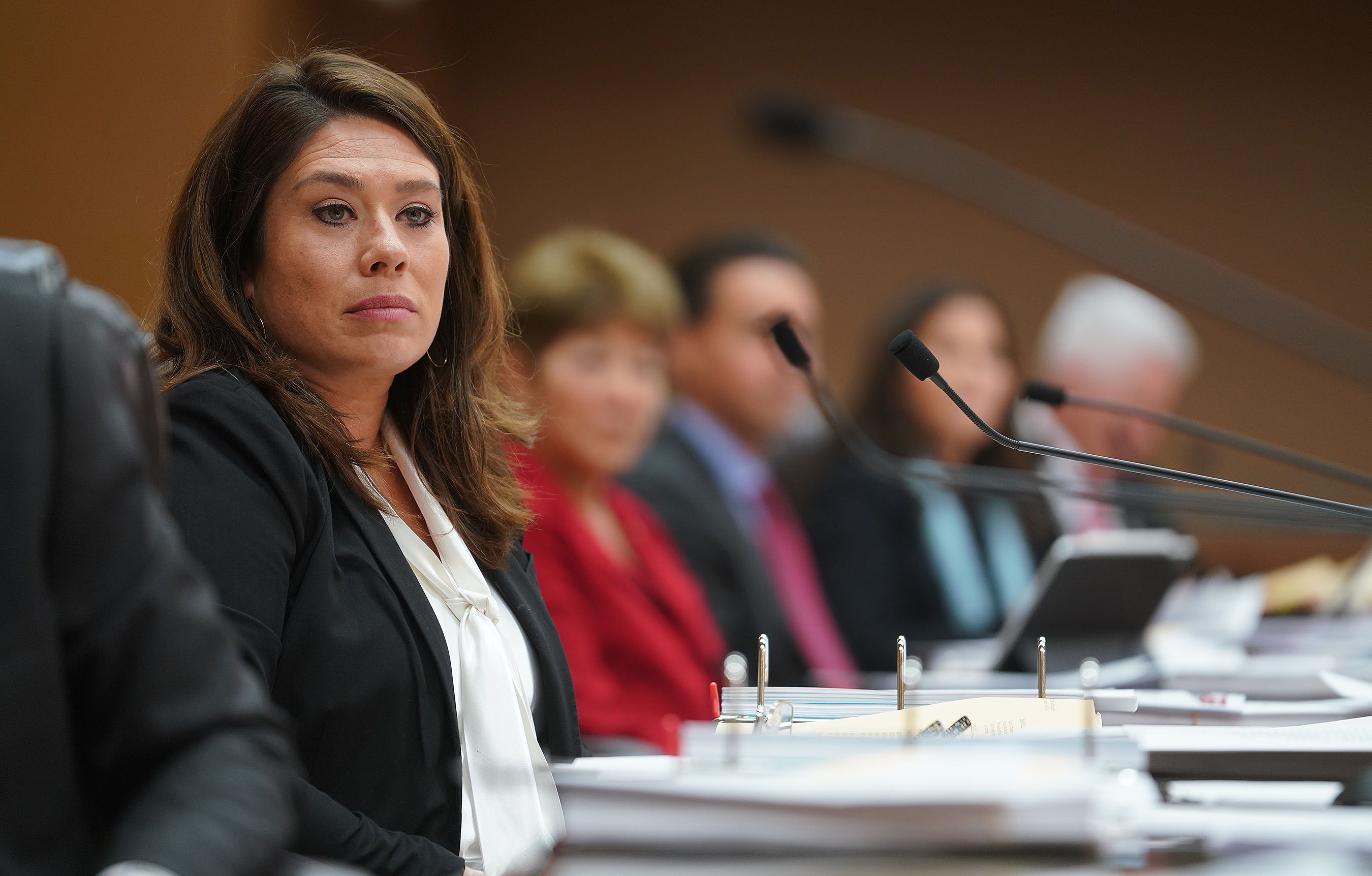
Under Resolution 19-29, the city auditor’s office would contract the work out to a private firm. The earliest that effort could start would be in the next fiscal year. The budget for that year already includes a $2 million earmark for the audit, said Acting City Auditor Troy Shimasaki.
The council action reflects the heightened level of scrutiny that the rail project faces after receiving three federal subpoenas last month.
Rail critics have repeatedly proposed a forensic audit to “clear up the past, see what went wrong with great specificity and restore public confidence in this project,” as HART board member John Henry Felix once put it.
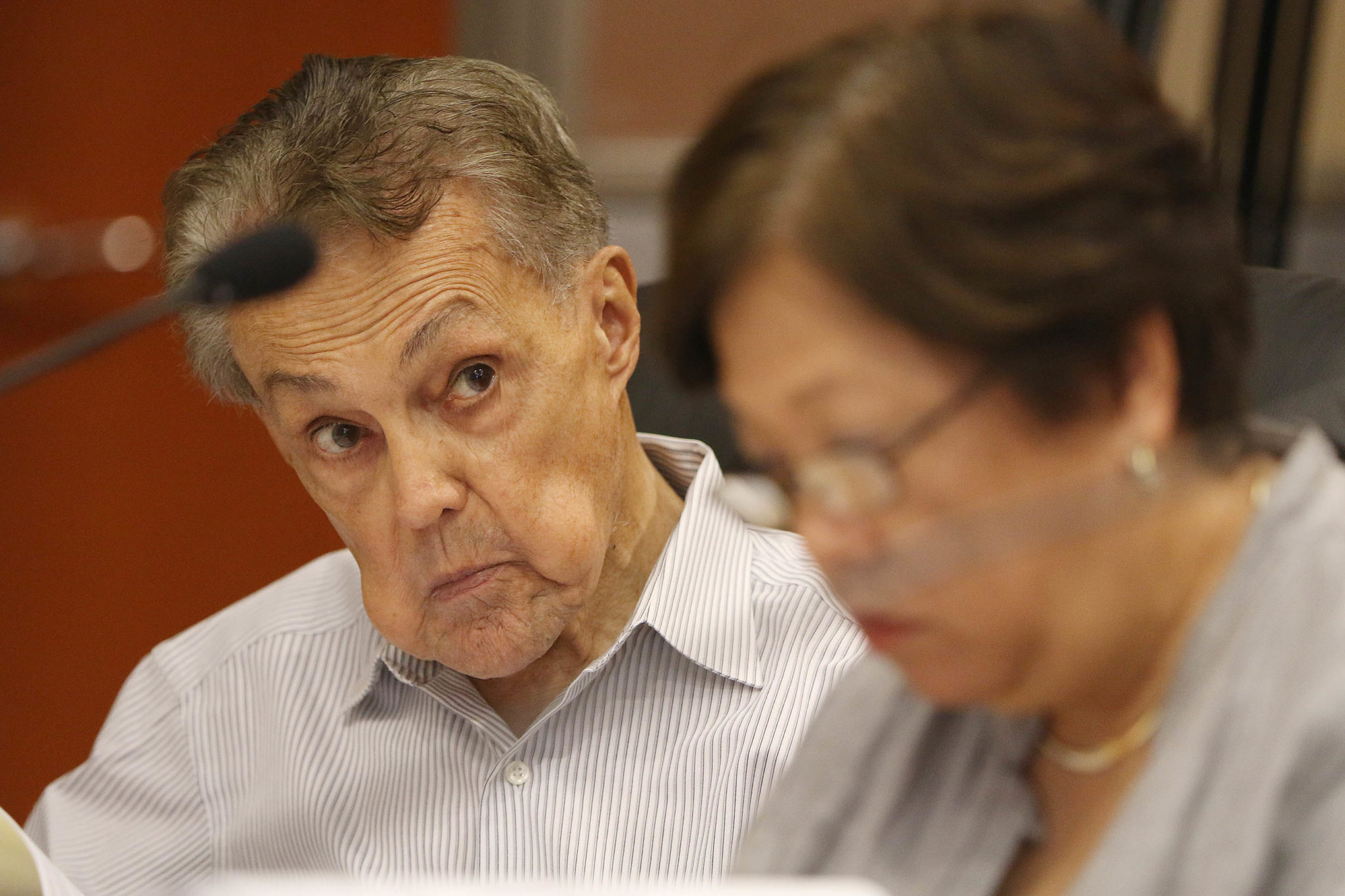
Last week the HART board proposed waiting until there’s a better idea of what’s happening with the federal criminal investigation before proceeding with a forensic audit.
On Friday, however, council members including Kymberly Pine and Mike Formby said it was important for the city to decide as soon as possible.
That urgency led to confusion during the deliberations, as amendments normally considered in separate committee meetings were hashed out.
At times, it was clear that council members were confused about the process and what exactly they were voting on, and the city’s legal counsel had to intervene and explain. They repeatedly took recesses to make sense of the process and scan the amendments.
Community advocate Natalie Iwasa fretted that an audit by definition could not pursue the potential fraud and malfeasance that the council aims to weed out. However, Shimasaki said that the city auditor’s office could further clarify its scope of work when it issues the request for proposals.
In the end, the council agreed to include language in the resolution stating that it doesn’t want to delay rail’s construction, federal approvals or the award of its last major construction contract with the forensic probe.

