Freaking Out About Climate Change? This Might Help
Civil Beat follows an Ala Moana resident looking for ways to help with climate change in the first episode of “Are We Doomed? And Other Burning Environmental Questions.”
[soundcloud url=”https://soundcloud.com/civilbeat/what-can-i-do-if-im-freaking-out-about-climate-change” params=”color=00cc11&auto_play=true&hide_related=false&show_artwork=true&visual=false” width=”100%” height=”166″ iframe=”true” /]
Faith Tanikawa has lived on Oahu her entire life and raised two daughters here. But when her first grandchild was born, every headline about rising seas and species extinctions felt dire.
“I want my grandson to grow up like I did,” she said, remembering how her teenage years in the late 1960s were spent enjoying the beach.
Tanikawa wanted to know if there’s anything she can do, and Civil Beat is diving into her question for the first episode of our new podcast “Are We Doomed? And Other Burning Environmental Questions.”
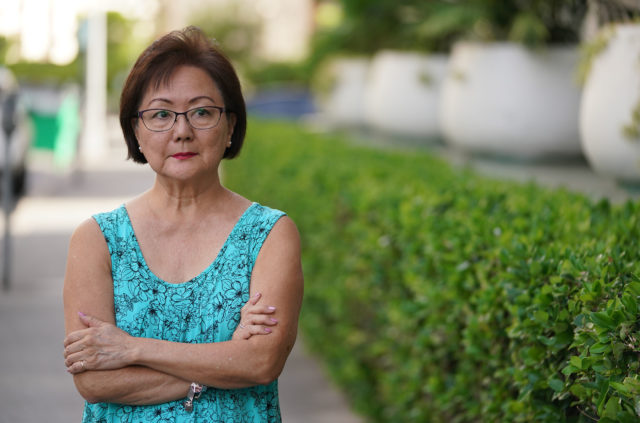
To climate researcher Victoria Keener, it was obvious Tanikawa was suffering from a serious case of eco-anxiety.
“In the last year we’ve seen a conversation about the rise in depression in the climate science community and people suffering grief about the ecological harm that we’ve been seeing from global warming,” she said.
Keener’s job at the East-West Center in Honolulu is to translate climate science into action plans, and the proactive nature of her work helps keep the anxiety at bay. She had three tips for Tanikawa.
Keener’s first tip is the easiest: change your personal habits.
“Using public transportation, biking, walking more,” she said. “Eating less meat is a huge one.”
For example, replacing all your beef consumption with chicken can reduce your carbon footprint by 882 pounds of CO2 a year.
“So you really can make these personal choices that really do make a difference,” Keener said.
Tanikawa has made a lot of changes in her day-to-day life, like using reusable produce bags and watching her water usage closely. But she wanted to do more.
“I need to find my tribe, people who feel this same passion,” she said.
Which brings us to Keener’s second tip: educate yourself.
Lisa Marten, founder of Healthy Climate Communities, once shared Tanikawa’s same anxieties.
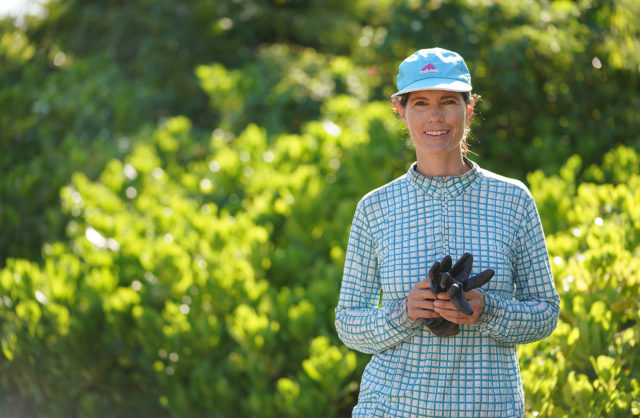
“I went through that ‘like oh my God! Nobody’s doing anything, don’t they realize what a big problem this is?’” she said.
Marten quit her previous job to focus on grassroots environmental lobbying and restoring Hawaii’s wetlands.
“Wetlands are like just a few percent of the landmass but they store about a third of the soil carbon,” she said while walking through a shaded area of the Hamakua Marsh wildlife sanctuary in Kailua. “So we want to keep our wetlands wet for sure.”
She nurtures native plants at the sanctuary and invites students to plant trees and learn about the carbon cycle at work in their local environment.
“We can totally reverse the trend of carbon dioxide emissions. It’s within our technological ability and has been for a long time but there hasn’t been the political will and the only way you get the political will is your education,” she said.
Keener says education is a great way to combat eco-anxiety because it gives people something proactive to focus on.
“Educating yourself about the impacts where you live, the impacts on things that you care about,” she said. “Whether that’s a forest, a mountain, some kind of wildlife that you that you love.”
However, Keener stresses that while purchasing carbon offsets and planting trees are great ways to remove carbon from the atmosphere, it doesn’t do anything to stop future CO2 emissions.
Which is why her biggest tip is to mobilize.
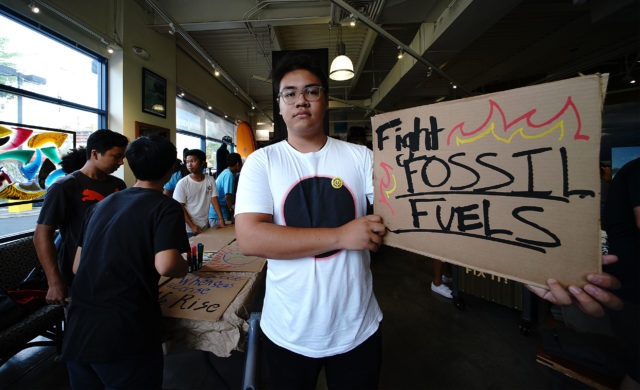
Kawika Pegram first heard about the Youth Climate Strike on Twitter and reached out to the organizers to see what he could do to help. Two emails later, he was running the state’s chapter.
“You would think that the topic of climate change was a big enough issue in everybody’s heads that there’d be at least one other kid in the entire state that signed up before me but there wasn’t,” he said. “Which is sad.”
Pegram soon realized that while people living in Hawaii shared his values of sustainability and protecting the aina, it was still an uphill battle to gather support for a political movement.
“We’re not civically engaged at all,” he said. “We don’t go out to vote, right? Much less protest.”
He’s found more success connecting with his peers than adults. One elementary schooler even reached out to him asking how she could help.
“Now she’s leading the protest at Kailua Elementary,” he said.
Hundreds of students skipped school Friday to call attention to their fears about the changing planet. On Oahu, supporters marched from the governor’s mansion to the state capitol while students on Maui, Hawaii Island and Kauai held rallies.
Tanikawa joined Pegram’s protest on Friday. When she looks at the young leaders of the climate strike, she sees role models for her grandson.
“These are kids who are so much more aware of the world than I was at that age… and part of what keeps me going is that these kids are awesome,” she said. “As a baby boomer… we created this mess and we need to take responsibility.”
This podcast is funded in part by grants from the Environmental Funders Group of the Hawaii Community Foundation and the Frost Family Foundation.
[gravityform id=”24″]