

Native Hawaiian health care nonprofits received more than $38 million in federal funds this year to promote Covid vaccines and other efforts to stop the spread of the coronavirus that has recently disproportionately affected the community.
However, some community activists say there’s still a need for better access to information, vaccination sites and health care.
For over a year, Native Hawaiians experienced below average Covid rates, but in July the Native Hawaiian community saw a spike in coronavirus cases.
Now, as the delta variant dominates 100% of community spread, Native Hawaiians account for a quarter of positive Covid cases across the state — 21% of residents in the state of Hawaii identify as full or partially Hawaiian.

“This year, we were able to secure additional funding, which means these clinics will have the resources to help even more people connect with their doctors and get the health care they need,” Sen. Brian Schatz said in a statement.
According to Papa Ola Lokahi communications officer Kim Birnie, the ARPA funds are allocated for the next two years and must be solely used for Native Hawaiians in Hawaii.
“Some people are reaching out to us saying, ‘Can the money go for this? Or that? Or can I apply for it?'” But Birnie said their ARPA money has a very specific purpose to increase vaccine, COVID-19 response and treatment capacity, sustain accessible health care services and deliver education and services.
POL Director Sheri Daniels said their $4.5 million grant will be spread across the islands, with about $3.4 million of their money going toward 14 partnering community-based Native Hawaiian health organizations.
“None of those funds sat in POL, they all went out into the community,” Daniels said, noting that they created and continue to manage the Native Hawaiian and Pacific Islander Hawaii Covid-19 Team.
She explained that a lot of POL’s recent efforts have been focused on gathering data to help future planning and educating the community through public service announcements, social media infographics and outreach events.
She said the rest of their grant money will go toward mobile units to bring vaccines into communities and expand health care access in the future.
However, despite the increase in funds and efforts, some community members say their needs aren't being met. The Westside of Oahu, which has the largest Native Hawaiian population on the island, reported 2,259 cases in the past 14 days, about a fifth of the state's total. The DOH reported that roughly 40% of Native Hawaiians in the state have initiated inoculation.
Waianae resident and Leeward Community College professor Lynette Cruz said that online appointment systems have been difficult to navigate, especially for her community.
She initially didn't want to get the Covid vaccine but changed her mind in late July when she walked into Longs Drugs and noticed their vaccine clinic. Cruz said they told her she could get her shot without an appointment, and with LCC deciding to hold some in-person classes, she decided to do it.
"I have a kuleana to make sure that I don't make anybody else sick, so I took it," she said.
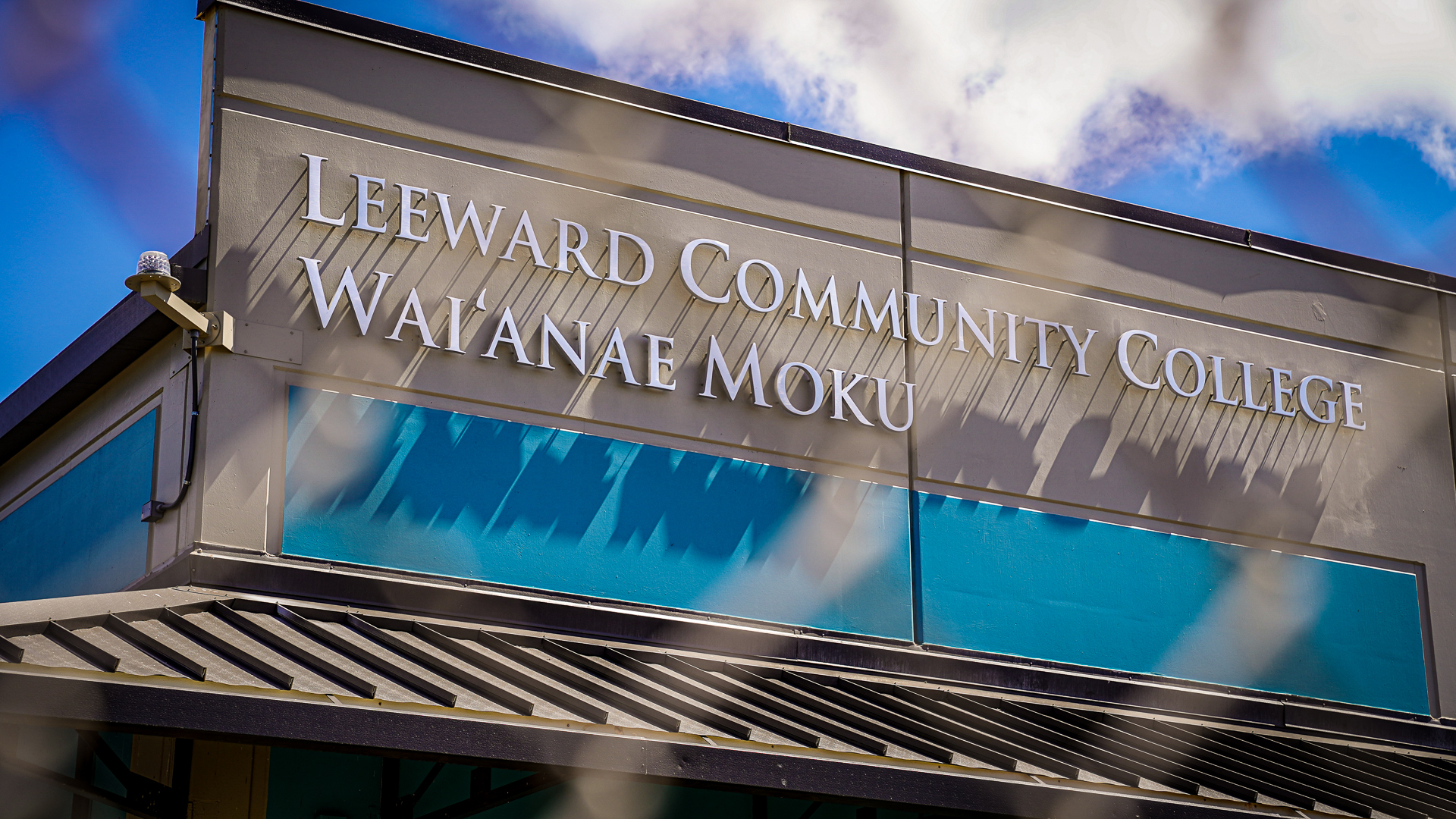
But Cruz said that more could be done to increase vaccination. She explained that Waianae residents have felt neglected for decades, developing resentment toward government officials and agencies.
For example, the people giving Covid shots should be from the local communities, she said. And instead of hosting pop-up events for a few hours on the weekends, vaccine clinics should consistently show up at local grocery stores and gas stations.
"Everybody buys groceries," she said. Cruz added that small incentives such as grocery store or gas station gift cards that people could use immediately after their shot or give to friends or family would also help — similar to Lt. Gov. Josh Green's proposal for a $50 food card that was never implemented.
On Friday, Waianae residents broke their stagnant vaccination rate by reaching the 35% mark. According to state Health department epidemiologist Josh Quint, the state is facing a potential plateau.
"Anything can happen tomorrow," he said. "We don't know the shape of what this curve is and if you look at historical surges that have happened, there's fluctuation."
However, regardless of how people change vaccine messaging and on-the-ground community efforts, some people do not see this vaccine as a part of their future.
For community activist and healer Laulani Teale, getting the coronavirus vaccine does not follow her unwavering personal cultural directive, but she said she doesn't impose that on others. Throughout the pandemic, Teale has helped people in her community make appointments, transported them to vaccine clinics and watched children for people who experience side effects after vaccination.

"Pono is based on very deeply held principles that come from ancestral teachings, and my cultural training and many other things."
Teale was inspired by the late Dr. Kekuni Blaisdell to get her master's degree in community health development and education at the University of Hawaii. Blaisdell researched self-determination as a component of health, so Teale continues in his footsteps by combining her university studies with the laau lapaau traditional healing practices.
The community desperately needs more local medical professionals with cultural competence — people who offer true respect, true understanding and true informed consent, she said, criticizing the official messaging about Covid as confusing.

For Teale, a simple step toward improving community health would be requiring every person working in health care to study Native Hawaiian culture to gain an understanding of how to better address the needs of the community.
"This does not mean having a Hawaiian name to your program, which in some cases is straight up cultural appropriation. It doesn't mean having Hawaiian designs on the wall, you know, to create a 'sense of place,' which is just plain fake," she said. "It means really seriously understanding where the people are coming from."
DOH contact tracing lead investigator Chantelle Matagi agreed with Teale and said teams are trying to improve their outreach to the community by separating politics from their messaging about testing and vaccination.
"We're dealing with a legacy of colonial mistrust -- with trauma -- and how do you address that in a way that doesn't continue that legacy? But (one) that creates trust, and then heals those wounds," she said.
 Sign up for our FREE morning newsletter and face each day more informed.
Trusted news when you need it most
Now more than ever, local news is a vital community resource: connecting neighbors, uplifting voices and sharing information that empowers people to make informed decisions in their everyday lives. Our work is especially critical in times of crises.
You can help power our coverage and nonprofit mission with a tax-deductible donation of any amount. Mahalo.
About the Author
-
 Lauren Teruya was a Poynter-Koch reporting fellow for Honolulu Civil Beat. She is a graduate of Iolani School and holds a master's degree in specialized journalism from the University of Southern California.