

Federal Judge Says He’ll Rule Soon On Motions In Kaneshiro Bribery Case
Judge Timothy Burgess will decide whether to split the trial in two, among other requests from attorneys.
A federal judge overseeing a high-profile Honolulu corruption case heard from prosecutors and defense attorneys on Monday in a pre-trial battle over what the jury should hear, how the defendants should be tried and whether the trial should be delayed.
The trial against former Honolulu prosecutor Keith Kaneshiro and those accused of trying to bribe him with campaign donations, including businessman Dennis Mitsunuaga, is currently scheduled for March 12.
In a full-day motions hearing on Monday, U.S. District Court Judge Timothy Burgess considered a number of arguments but ruled on only a few of them from the bench.
Perhaps most notably, defendant Sheri Tanaka’s attorney argued that his client should be severed from her co-defendants, and her trial delayed, in light of new accusations against her.
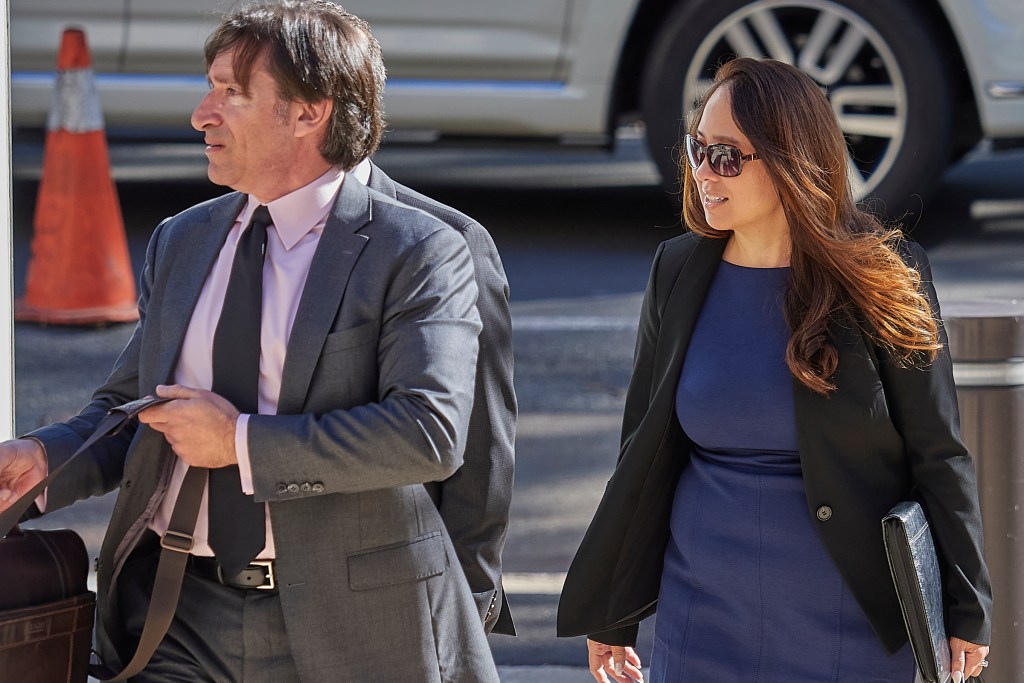
Separate from the bribery case, Tanaka is being investigated for money she says she paid to an unsavory character. Federal agents suspected her of hiring a hitman to kill the judge and prosecutor in the bribery case case and executed a search warrant at her home last month as part of that investigationn.
Tanaka denies threatening anyone’s life and hasn’t been charged for doing so. Tanaka’s lawyer says the person she paid was extorting her and threatening her family. But the drama surrounding the allegations threatens to negatively impact Tanaka’s defense in the Kaneshiro case, Mermelstein told Burgess on Monday.
Mermelstein argued that federal agents seized devices containing documents necessary for Tanaka’s defense and said pre-trial publicity was prejudicing his client. He said the media was looking for a “lynching” of his client and has already convicted her in the court of public opinion.
The “unprecedented disruption” has also distracted Mermelstein from adequately preparing for the bribery case, he said.
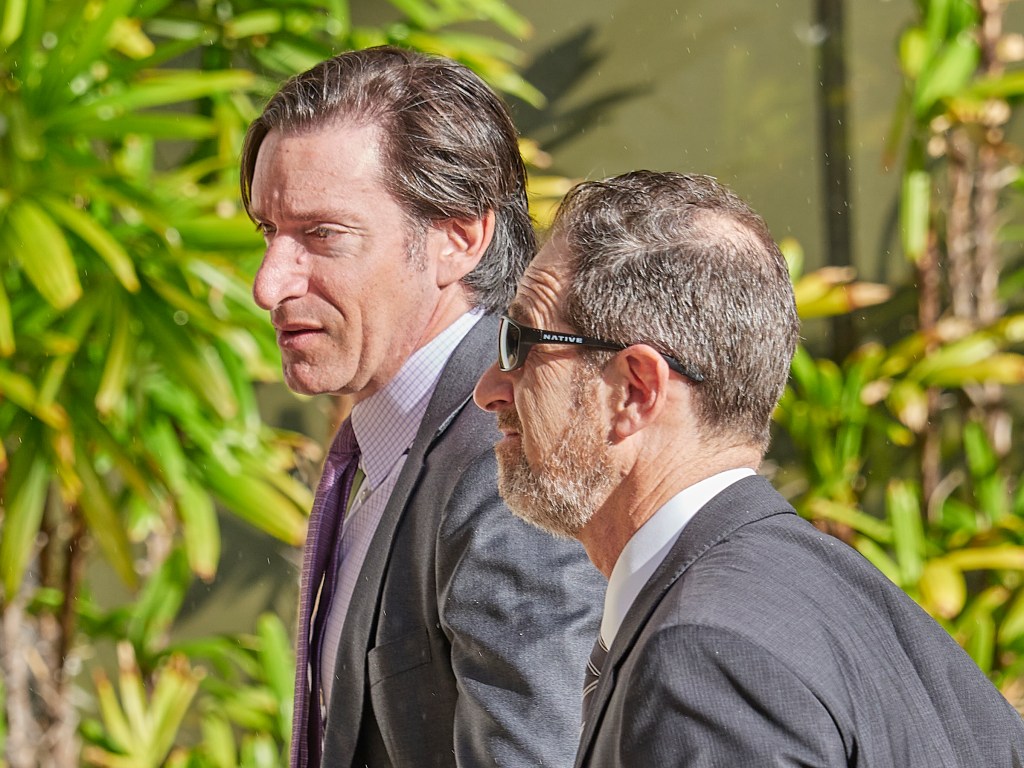
“At this point, I cannot say I’m prepared to go to trial,” he said in court.
The judge expressed skepticism about each of Mermelstein’s arguments. He questioned why Tanaka would have documents needed for her defense on personal devices without having shared them with her legal team just a few weeks before the trial was set to begin. And he noted that Mermelstein had not taken all available steps to get the devices returned as quickly as possible from federal officials.
When it comes to media attention, Burgess said any pre-trial publicity could be mitigated during jury selection by rooting out jurors who have already made up their minds.
“The press is doing the press’s job,” Burgess said.
Federal prosecutor Andrew Chiang said Mermelstein had not provided adequate justification for holding two trials involving the same facts – an effort that he said would burden two jury panels and more than 80 witnesses.
He challenged Mermelstein’s contention that his client’s notes are vital for her defense. Trial prep is, after all, Mermelstein’s job, he said.
“It does not make any sense to me,” Chiang said.
Ultimately, Mermelstein said he may ask for a change of venue for his client. To do that, he would have to demonstrate the local jury pool is too tainted with preconceived notions about his client’s guilt.
Burgess said he would rule on those requests later.
Case Centers On Campaign Donations
The U.S. Attorney’s Office accuses Kaneshiro of accepting nearly $50,000 in campaign donations from Mitsunaga and his associates in exchange for prosecuting a bogus case against a former employee of Mitsunaga’s firm, Laurel Mau.
In 2017, Hawaii Circuit Court Judge Karen Nakasone threw the case out for lack of probable cause. At the time, she criticized county prosecutors for pursuing charges based on a so-called investigation that was “orchestrated” by Mitsunaga’s own team.
Defense attorneys have argued campaign contributions are a form of free speech protected by the First Amendment and that the government lacks hard proof of a quid pro quo.
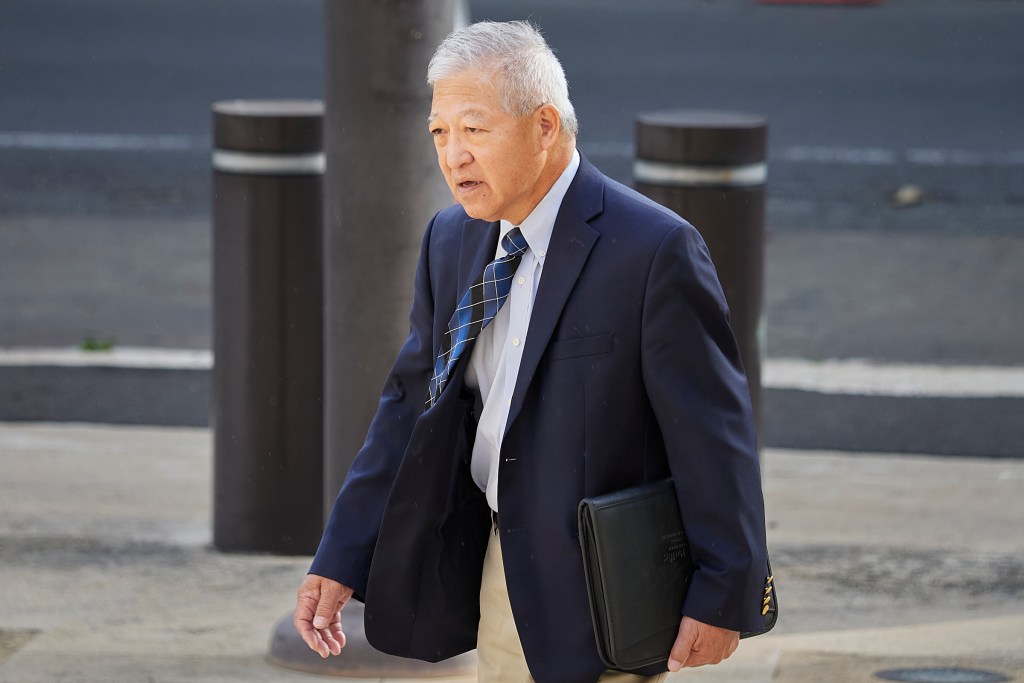
On Monday, Burgess heard hours of arguments about what evidence the jury should hear and what information should be excluded from the trial.
The judge agreed with a defense motion to keep Katherine Kealoha’s name out of the proceedings. The disgraced former deputy county prosecutor was the supervisor of another county prosecutor who is now a witness in the case but she was otherwise not involved.
Other motions were less straightforward.
Lawyers clashed over how to treat the 2017 ruling by Judge Nakasone. There were differing opinions on whether the jury should be made aware of Nakasone’s fiery remarks from the bench, including her assessment that the case was a “threat to the judicial process.”
Chiang said the comments are central to the story, showing how weak the case against Mau was. It’s important to demonstrate that Kaneshiro was “confronted by a chorus of voices” saying the case was illegitimate, Chiang said.
Andrew Cowen, an attorney for Tanaka, referred to the decision as “incredibly prejudicial” and inadmissible hearsay. Even though the remarks were aimed at Kaneshiro’s office, Cowen said the defendants accused of bribing the prosecutor would also be “burned by the flames.”
Burgess did not rule on the matter on Monday.

There was further disagreement about the extent to which the jury should be informed of Mitsunaga’s history of political donations. Prosecutors say the alleged effort to bribe Kaneshiro was part of a pattern and practice by Mitsunaga.
They say he coerced others, including family, friends and business associates, into funneling money to candidates of his choice. This allowed him to magnify his influence with politicians beyond what donation limits would otherwise allow, the government argues.
“Mitsunaga didn’t want to be constrained by those limits,” Special U.S. Attorney Michael Wheat told the court on Monday.
Chiang noted that Kaneshiro was not known to meet with members of the public but did meet with Mitsunaga.
Nina Marino, Mitsunaga’s attorney, accused prosecutors of floating unsubstantiated theories that are irrelevant to the case at hand.

