Maui Ethics Board Could Get Overdue Boost Through 2 Reforms Under Review
If approved by the County Council, a pair of proposed charter amendments would appear on the Nov. 5 ballot.
Voters could decide this November if the Maui Board of Ethics should be able to hire its own full-time staff and whether appointed members should be able to serve two consecutive terms.
The Maui County Council will consider approving the two ballot measures later this month, but they’re well on their way following a council committee vote in favor of them Tuesday.
The proposals came from the Board of Ethics, which is struggling to carry out its function as the county’s ethics watchdog amid a shortage of members, funds and other resources.
Now that the Government Relations, Ethics and Transparency Committee, which is comprised of all nine council members and chaired by Nohelani U‘u-Hodgins, recommended passage of the reforms, they’ll go before the council on June 21 for the first of two readings.
Approved reforms will appear as charter amendments on the Nov. 5 general election ballot.
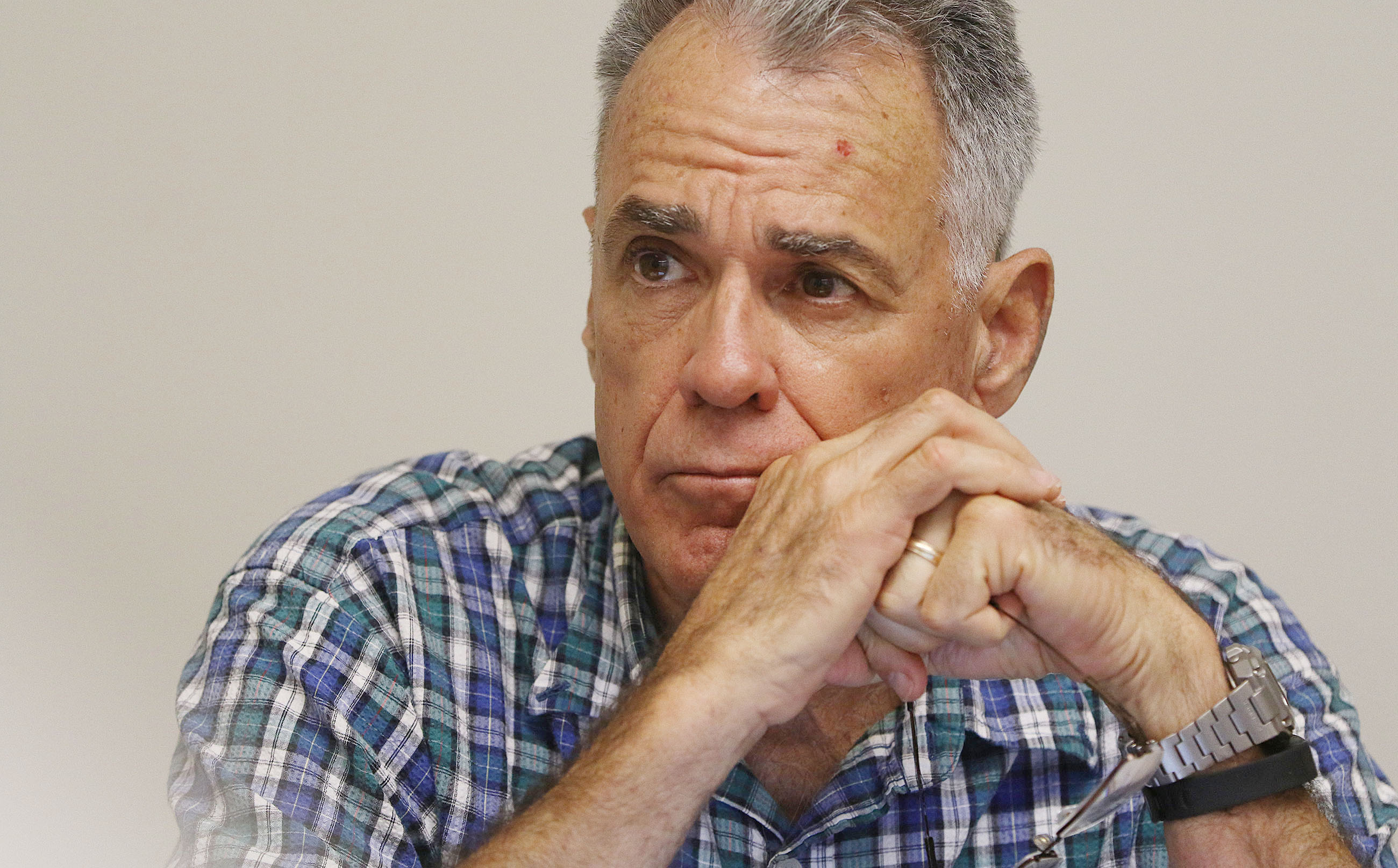
“We’re delighted that the council is taking up our two recommended resolutions,” Ethics Board Vice Chair Michael Lilly said. “Essentially, these resolutions will make the Maui Board of Ethics more transparent, more effective, more responsive, both to the public and to county employees and council members and elected officials.”
The fight for resources among members of the oversight board responsible for enforcing ethical behavior in government comes after two Maui County officials and two state lawmakers, one from Maui, took bribes from Honolulu businessman Milton Choy and were sent to prison.
Lilly joined the ethics board less than a year ago, but he previously served nine years on the Honolulu Ethics Commission. In his experience there, he said, he found that the more the board enforced ethics rules, trained county employees and educated the public, the more enforcement actions it took, thereby stamping out unethical behavior in government at a greater clip.
“I think this is very important because everyone knowing that each board is able to enforce ethics violations, that gives confidence to the public that we’re carrying out our public trust and confidence of other public employees that we won’t tolerate ethical violations,” Lilly said.
The charter amendment setting up a pathway for the Board of Ethics to acquire independent staff aims to equip the board with the people and expertise it needs to fulfill its most essential functions — train public employees, offer on-the-spot ethics guidance and investigate alleged ethics violations.
Lilly said the board hopes to acquire three independent staff members — an executive director or legal counsel, a secretary and an investigator. The board presently has no staff, which several members have said undermines its effectiveness.
“I’ve heard from a number of people that because we only meet once a month people that need immediate ethics guidance are unable to get that guidance because they have to wait,” Lilly said. “But if we have full-time staff, they would be able to give informal advice on ethical issues on the phone immediately. That would be a tremendous help to public employees that need ethics guidance now, not ethics guidance two months from now.”
Without staff, the board is unable to offer ethics training to public employees. It’s also hamstrung to conduct vigorous, independent investigations of alleged ethics violations.
Maui County Council member Tamara Paltin reached out to the ethics board back in July after recognizing its need for more support, according to a letter she sent the board seeking input on potential charter amendments.
She noted that the Legislature last year passed a resolution, prompted by the House’s Commission to Improve Standards of Conduct report, that underscored how limited staffing can hamstring state and county ethics boards.
In a letter to the council and mayor in January, then-Ethics Board Chair Geraldine Lewis pointed to an October Civil Beat/New York Times story about Choy as support for a proposed charter amendment to provide full-time staff for the board. She says without its own staff, the board cannot independently investigate and prosecute ethics violations.
The other charter amendment proposal put forth by the ethics board would allow members to serve a second consecutive term after their first two-year term expires, with the goal of cutting down on turnover and vacancies.
County board and commission members currently must step down after a single term of two to five years.
Allowing ethics board members to stay on for a second two-year term would create more continuity and help retain the historical knowledge and experience of members, Lilly said.
It could also help with a member recruitment problems. Two of the ethics panel’s four unfilled seats went vacant recently due to term limits.
The council is taking up a resolution Friday to consider Mayor Richard Bissen’s most recent nominee to the ethics board, Randol Leach, for a term to expire on March 31, 2029. If the council disapproves of his nominee, it plans to recommend Noel “Chivo” McCaxy Ching-Johnson as a replacement.
Civil Beat’s coverage of Maui County is supported in part by a grant from the Nuestro Futuro Foundation.