

Hawaii Looks To Improve Mosquito Testing As Dengue Cases Rise Globally
The Department of Health says it has enough staff to handle the growing threat of mosquito-borne diseases, but it is struggling to fill numerous vacancies.
Hawaii Department of Health officials are watching closely for any locally-transmitted cases of dengue virus, amid a record-setting year for cases globally.
The department, which came under intense scrutiny a decade ago for its handling of a dengue outbreak on the Big Island, says it is prepared to adequately respond should another outbreak occur — despite nearly a quarter of the state’s vector control jobs sitting vacant.
The DOH also aims to have new mosquito lab-testing capabilities in place by fall that might help it more quickly detect any local spread of dengue in the islands.
“We’re working hard to be both efficient and effective,” said Matthew Kurano, DOH’s environmental health services administrator. “We’re leaner, so we have to work smarter.”
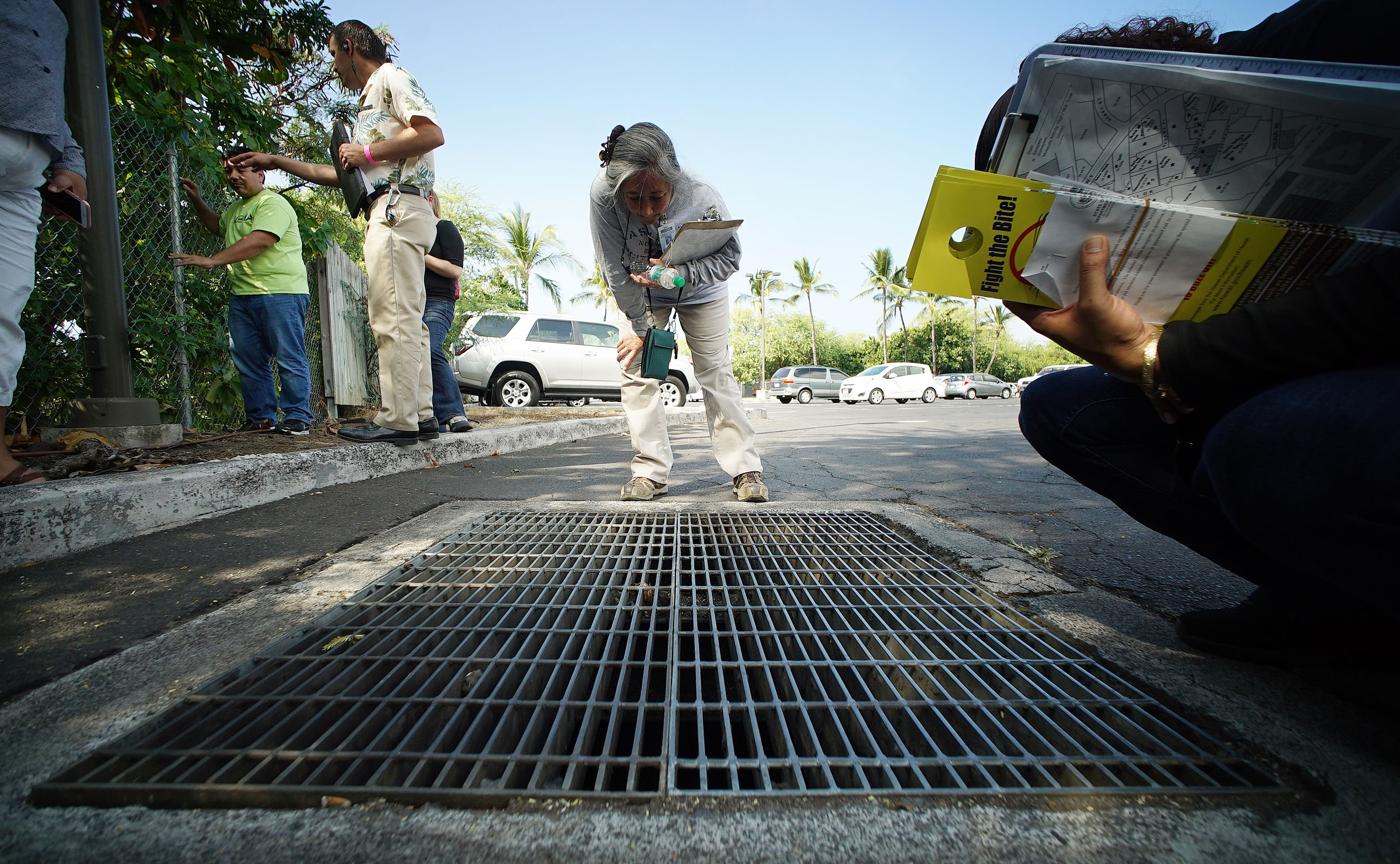
Climate change is helping drive the increase in dengue cases worldwide. In the U.S., there’s already been a severe outbreak this year of the mosquito-borne disease in an island territory that’s similar climate-wise to Hawaii: Puerto Rico.
Meanwhile, the Centers for Disease Control warned late last month that the virus could spread across warmer, wetter parts of the country, especially during the busy summer travel season.
Improved Staffing
The last time Hawaii suffered a dengue outbreak, in 2015 and 2016, the state had a woefully inadequate number of vector control personnel to respond to that Hawaii Island — some 25 workers across the state, including two entomologists.
Six years prior to that outbreak, the state had 56 such workers, including four entomologists. However, the state’s vector control budget was slashed amid the Great Recession’s economic downturn.
Currently, DOH reports having staffed the division back up to 46 vector control positions, but 11 of those are vacant. The staffing includes five positions for entomologists — insect scientists who are vital in tracking and assessing outbreaks — but three of those positions are vacant, according to the DOH.
A CDC report released in the midst of the 2015-2016 outbreak on Hawaii island, called the state’s capabilities with two entomologists on staff at the time “hampered” and recommended boosting their numbers. However, on Friday Kurano said that DOH was “absolutely” prepared to respond to an outbreak with the two entomologists on staff.
“We are not vulnerable from an immediate response” standpoint, Kurano said. Nonetheless, DOH definitely needs to fill the three entomology vacancies to help handle the division’s non-urgent surveillance and public outreach work outside of an outbreak, he added.
Recruiting workers with that technical expertise can be challenging, Kurano said, but the department is trying to hire for those openings.
He added that advances in vector control in the past 20 years have enabled his staff to more precisely target the origin of an outbreak. That way, they don’t have to spray as large of an area to try and contain the disease’s spread and thus don’t require as many workers as in years prior, Kurano said.
“The program that you see in 2024 looks very different than the program you saw in 2005, and rightfully so,” Kurano said. “We’re going to continue evolving.”
Speed Is Of The Essence
Meanwhile, DOH aims to be testing local mosquitoes for dengue and other vector-borne diseases by this fall.
Currently, its Waimano Home Road laboratory runs tests to identify the types of mosquitoes, including those that can carry dengue and other viruses, to flag potential high-risk areas, Kurano said. That testing is done as part of the department’s routine surveillance but also during any local disease outbreaks, including dengue.
However, the nearest lab to Hawaii that can identify whether a mosquito sample is actually carrying dengue or some other virus is at the University of California, Davis, he said.
The upgrade to Hawaii’s testing procedures will be done with a $7,000 grant from the CDC, covering Aug 1 through July 31, 2025, according to the DOH.
The move will allow staff to monitor whether the virus is present in the islands without having to wait for a symptomatic human case to appear first.
“We need speed to be responding — speed is of the essence,” Kurano said.
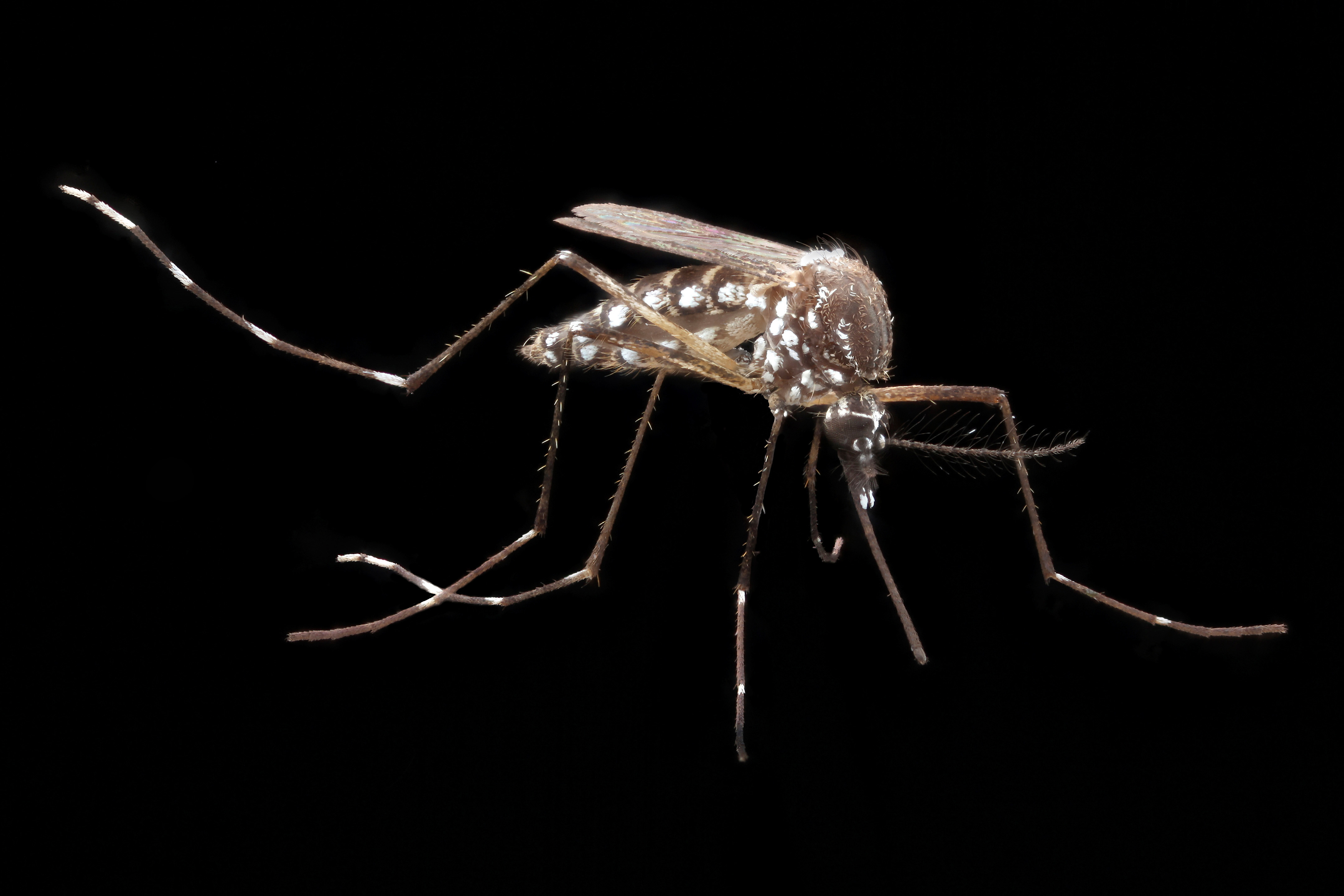
So far there have been six dengue cases reported in Hawaii in 2024 — one on Maui and five on Oahu, according to the DOH. All of those cases were travel-related, meaning the dengue originated outside of the islands. The department is far more concerned with any local spread, where it’s determined that mosquito populations within the island were infected and passed on the disease alone.
Most people who get the disease aren’t symptomatic, but others experience high fevers, nausea, body aches and rashes, according to the World Health Organization. Severe dengue cases can be fatal.
There have already been about 10 million reported cases across North and South America in 2024 — twice as many as all the cases reported for that region in 2023, according to the CDC.
The 2015-2016 outbreak on the Big Island saw at least 259 cases. A previous outbreak on Maui in 2001 had 119 confirmed cases.
Civil Beat’s community health coverage is supported by the Atherton Family Foundation, Swayne Family Fund of Hawaii Community Foundation, the Cooke Foundation and Papa Ola Lokahi.

