

Data Dive: Being A Mom In Hawaiʻi Isn’t Easy. This Report Shows Why
The state has the highest child care costs in the nation, and the number of women dying during pregnancy or childbirth is on the rise.
There’s been no shortage of stories and studies in recent years pointing out just how overstretched modern parents are.
A recent report, however, illustrates a few ways moms in Hawaiʻi have it particularly tough. And it’s not just because of the state’s persistent housing crisis or the fact that nearly half of residents say they are just getting by or struggling to make ends meet.
Hawaiʻi has the highest child care costs in the nation. And in what could be viewed as a related problem, women in the Aloha State are the most sleep-deprived in the nation, according to an analysis by the United Health Foundation for its annual Health of Women and Children report.
The state saw a 34% increase in women dying during pregnancy or in childbirth between 2018 and 2022, with the number of deaths jumping from 17.3 per 100,000 live births to 23.2.
Hawaiʻi ranked last in the nation for adequate prenatal care, with more than a third of pregnant women in the state not getting the medical attention they need.
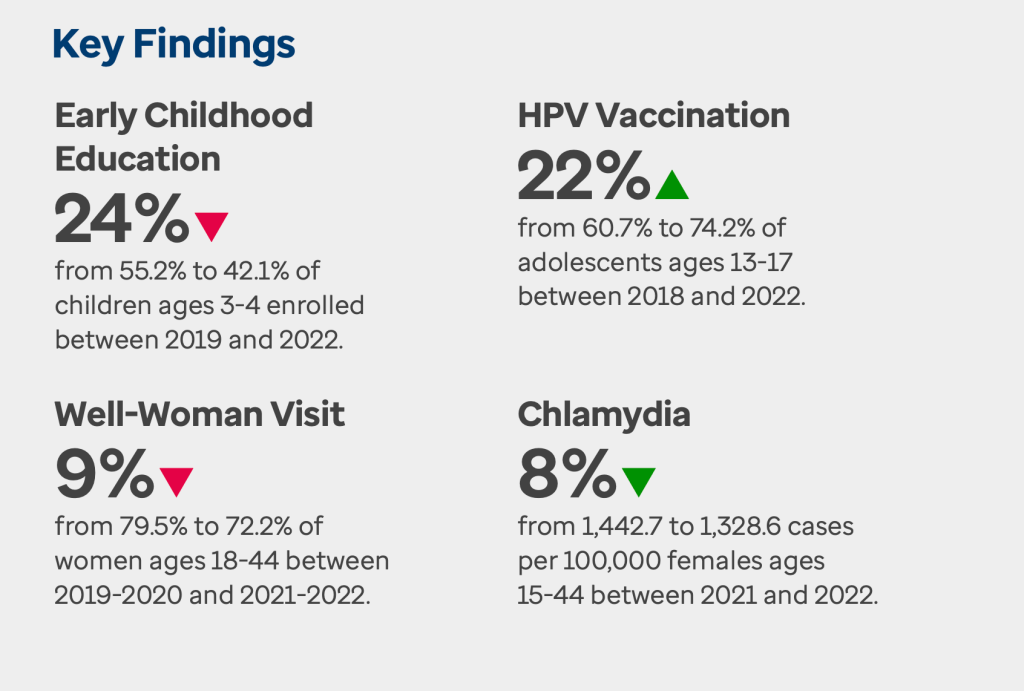
Women in Hawaiʻi are also reporting increased rates of asthma, obesity and depression.
Despite these challenges, Hawaiʻi continues to rank well when it comes to the overall health of women and children, earning top marks for the state's air quality, low number of injury-related deaths and the percentage of women suffering from multiple chronic health conditions.
Civil Beat’s community health coverage is supported by the Atherton Family Foundation, Swayne Family Fund of Hawai‘i Community Foundation, the Cooke Foundation and Papa Ola Lōkahi.

