Maui Lawmakers Seek To Speed Up Rebuilding For Some Fire Victims
As temporary housing for survivors has cropped up around the island, efforts to replace permanent housing have been slowed by a special state coastal permit process.
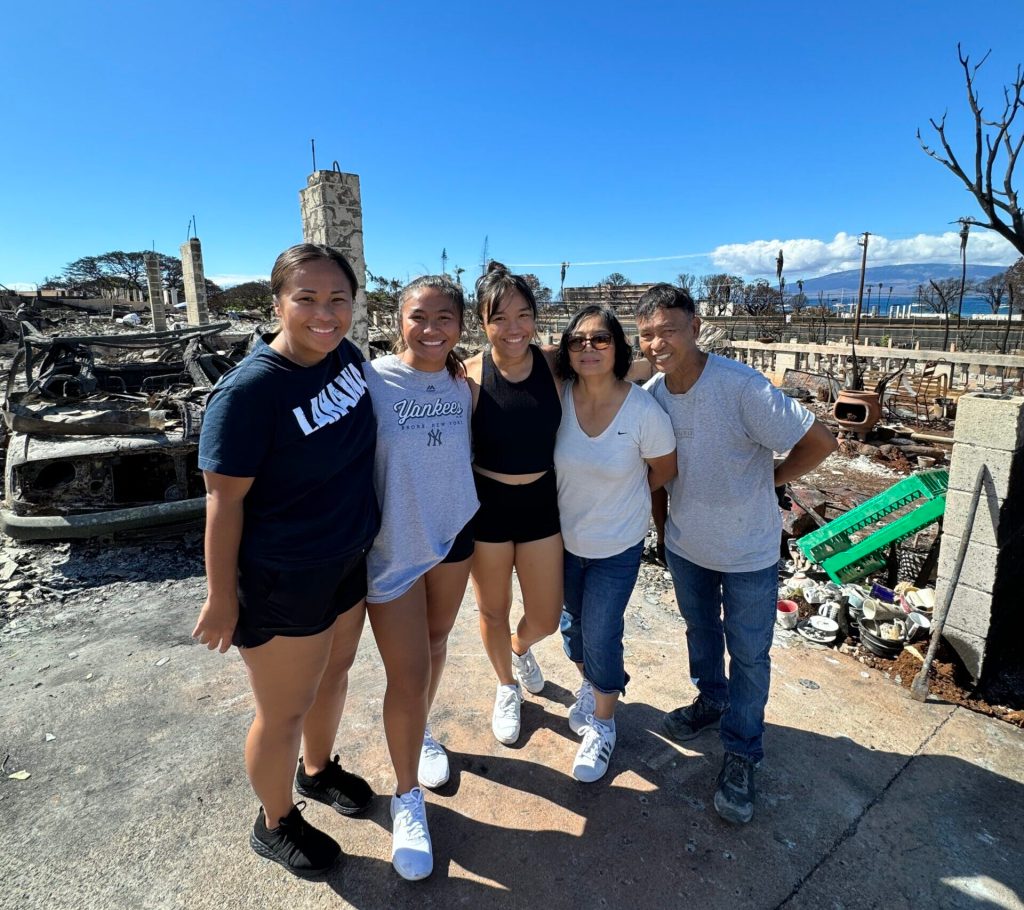
The wildfire that devastated Lahaina in August 2023 destroyed the only home Krizhna Bayudan had ever known.
“It’s where my sisters and I were raised; we were all born into that house,” said Bayudan, 24.
Her father, originally from the Philippines, had diligently renovated the house in Lahaina’s Wahikuli neighborhood to better suit the extended family’s needs. When Bayudan recalls the home today, she thinks about her late grandmother who raised her and her sisters — and the abundant fruits and vegetables that grew in the garden.
“I have memories of all my family and friends who’ve walked through that house, and I have memories of the view of palm trees along the train tracks,” she said. “That was my favorite view.”
Since the fire, the Bayudans have spent thousands of dollars and encountered various obstacles while trying to acquire the permits they need to rebuild. They’re still waiting.
That’s been the norm on Maui where, as of last week, only three homes had been rebuilt since the fire, according to county data, and construction is underway on 128 other properties in Lahaina and Kula, where homes also were destroyed by wildfire.
Frustrated by the slow pace of rebuilding permanent housing while money and resources have flowed into erecting hundreds of temporary units for survivors, state lawmakers are hoping legislation can speed up the process and keep Maui residents from abandoning the island.
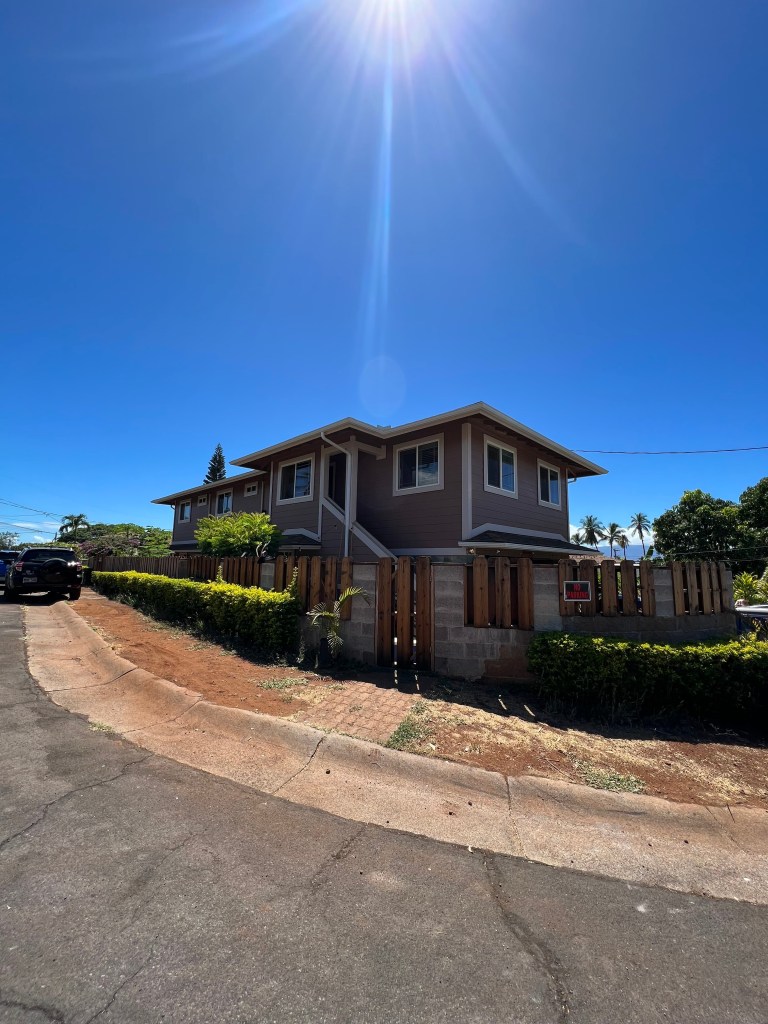
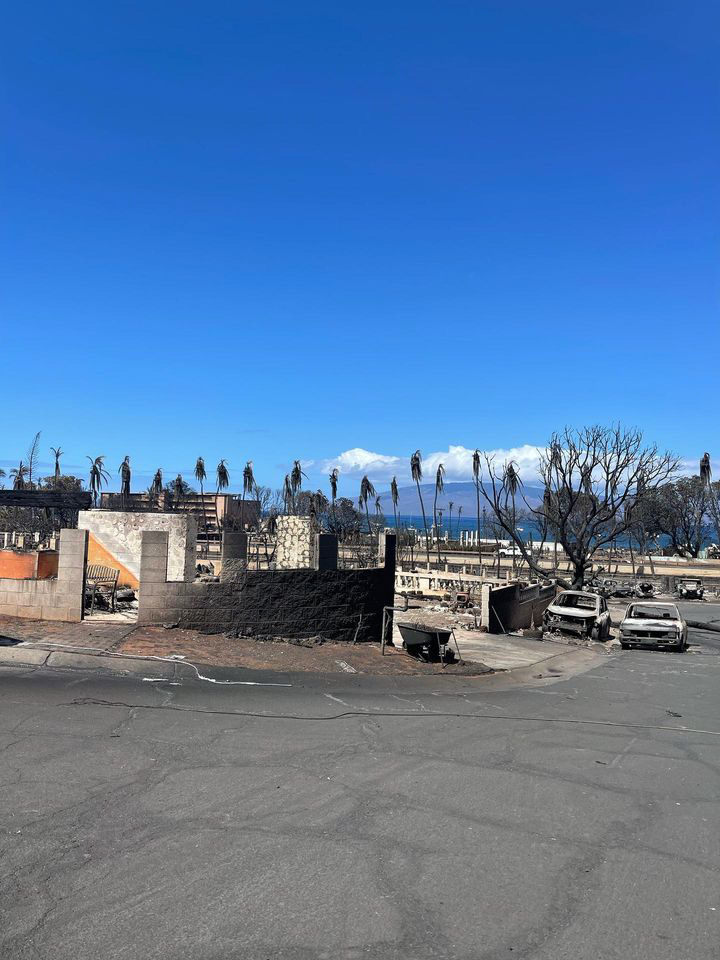
Maui has struggled with a severe lack of housing for years, and the island’s west side had a shortage of approximately 7,000 units even before the Lahaina fire, Kate Blystone, Maui County’s planning director, said in a written statement. When the August 2023 blaze destroyed more than 2,000 buildings and displaced about 12,000 people, it only made the crisis worse.
Yet as of last week, just under 260 building permits had been issued and 268 applications were being processed by the Recovery Permit Center, according to the county Office of Recovery.
By contrast, between projects such as the Federal Emergency Management Agency’s 169-unit Kilohana Temporary Group Housing and the state’s 450-unit Ka Laʻi Ola village, hundreds of temporary units have been built, and hundreds more are expected to be completed in 2025, Mayor Richard Bissen recently told a joint session of the State House Finance and Senate Ways and Means committees.
Hawai’i Rep. Elle Cochran, who represents Lahaina, would like to see that balance shift toward long-term solutions.
“Personally, I would have loved to have seen that money go toward more permanent housing, toward getting our people to continue permanently living in Lahaina,” Cochran said. “Because many people are leaving. They can’t just sit here and hold their breath and wonder if they’ll ever get a chance to rebuild.”
While short-term housing options have continued to crop up all across the island, Cochran said much of the rebuilding plans for downtown Lahaina have been held up by a lengthy permitting process required by the state for construction near the coast.

If those plans continue to move at the current pace, Cochran said she’s worried it will force more lifelong Maui residents to leave the island, exacerbating an existing trend.
A study by The University of Hawaii’s economic research organization found that many of the thousands of residents displaced by the fire could have to wait years for permanent housing because of the state’s current building regulations. Making matters worse, almost 30% of people affected by the fire now live in poverty while Maui remains one of the country’s most expensive housing markets.
“Even one less family that has to leave Lahaina and our island, the better,” Cochran said. “Every time someone moves because they just can’t hold out anymore is extremely aggravating and sad and all of the above, and it’s happening daily.”
Exempting Some Areas From Shoreline Restrictions
Hawai’i Senators Angus McKelvey, who represents Lahaina, and Troy Hashimoto, who represents Central Maui, were among a group of legislators who recently introduced bills to temporarily exempt some areas from the special management area permit process.
Those permits typically are required by the state for all structures built near the shoreline and, while the time required to complete all of the legally required reviews and public hearings varies, it can take months.
The legislation would instruct the county’s planning director to directly issue permits to rebuild properties in Lahaina’s Historic District and in the affordable housing developments Lahaina Surf, Front Street Apartments, Weinberg Court and Pi’ilani Homes.
“It’s basically to rebuild exactly what was permitted before,” McKelvey said. “If they’re doing that, then they can get an exemption. Other than that, then they’re going to have to still go through the process.”

It’s important to get the ball rolling, he added, because new natural disasters such as the recent fires in the Los Angeles area could tax federal and private funding, and other resources. Materials costs could rise with inflation and, if tariffs are imposed by President Donald Trump, that could limit when and where builders can even obtain them.
Insurance coverage also could disappear if the process drags on. McKelvey said companies that provide homeowner’s insurance typically have a set period during which clients must begin rebuilding or use their insurance money to purchase a new home. After that, payouts can become difficult to access or coverage can be revoked altogether.
Most insurance companies also only cover the cost of temporary housing for about a year, he said.
“We have this clock ticking,” McKelvey said. “We get letters and emails every day from people who are on the verge of losing everything and having to sell out to an offshore interest because of the fact that they can’t rebuild because of the permits.”
Blystone, the county’s planning director, said in her statement that she wished the legislation included all government and nonprofit-owned multi-family projects. But she acknowledged it would help by giving certain projects “more certainty about their permitting path forward.”
Giving these projects a quicker path, she wrote, “will ensure that more residents will be able to get home more quickly.”
‘Like A Weight Lifted Off Our Shoulders’
Like many Maui families, the Bayudans had about a month to find housing before their insurance company stopped providing the monthly payments they used to rent a house in Kāʻanapali. Bayudan said they have applied to rent a modular home in Ka Laʻi Ola village, the state’s temporary residential development for survivors, but haven’t heard back.
“As the time gets closer and we become more frantic, we don’t know what to do,” she said. “We wish someone would just come forward and say, ‘Oh, we’ll take care of you guys for this amount of years. Don’t worry about it.’ Because that’s what we need right now — someone to give us security in time as well as money, to say we’ll be able to stay here until our house is built.”
The Bayudans initially applied in November for permits to rebuild, but Bayudan said the application was returned to them for revisions to their construction plans. They submitted a new application in mid-January.
One day, when the family finally finishes rebuilding, Bayudan imagines that moving back will “feel like a weight lifted off all of our shoulders. It would be so exciting.”
Civil Beat’s coverage of Maui County is supported in part by a grant from the Nuestro Futuro Foundation.