To Rescue The Cliffs Below Diamond Head, This Group Went Rogue
The Honolulu community group says it’s providing a critical public service neglected by the city, but Kuilei Cliffs also brushes off city instructions that it says are unreasonable.
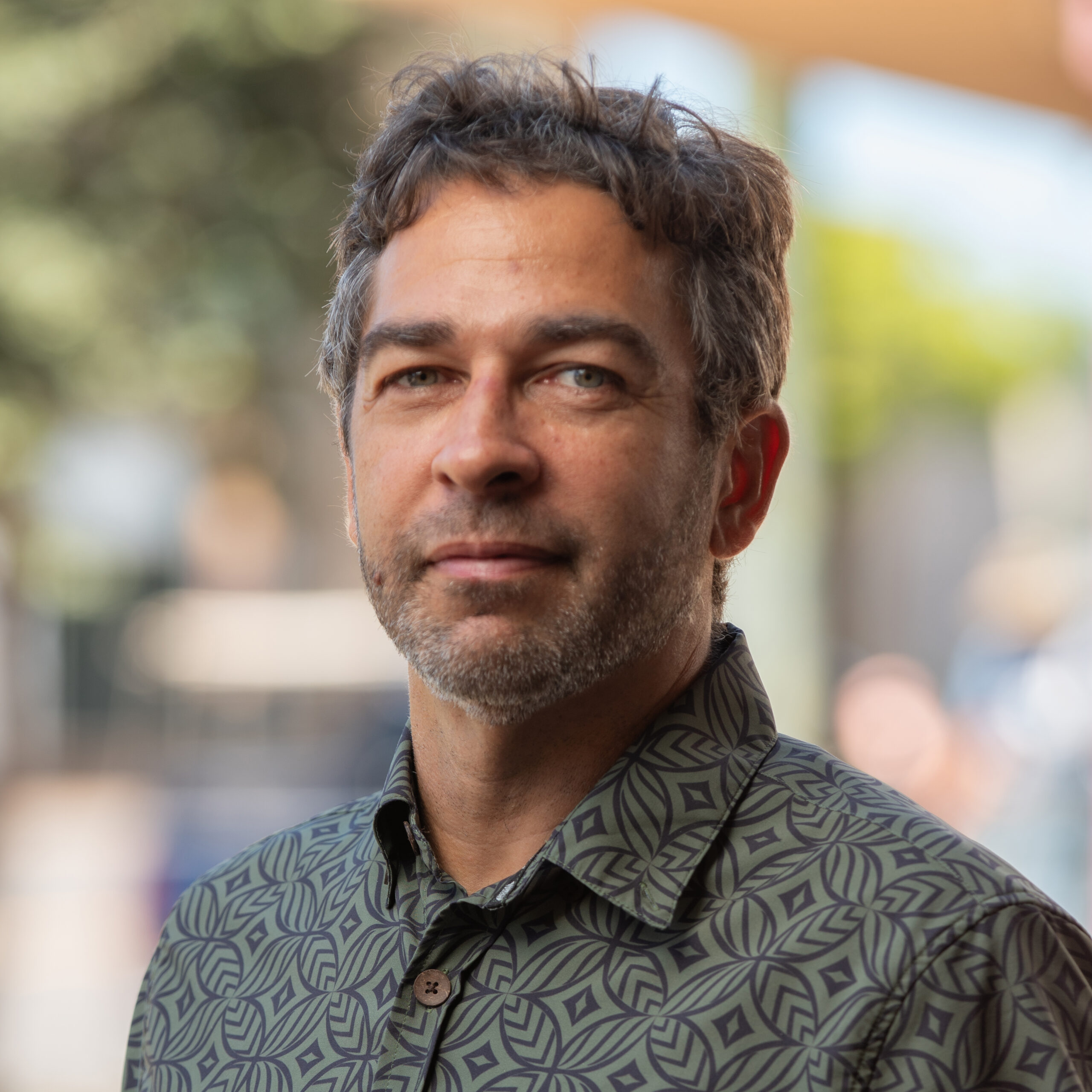
For the past five years, volunteers with the nonprofit community group Kuilei Cliffs have spent their Saturday mornings clearing invasive weeds, brush, thorny kiawe trees and heaps of rubbish from one of Honolulu’s most popular city beach parks.
They’ve replaced the overgrown landscape there with inviting St. Augustine grass plus naupaka and other native plants, creating more open space and helping visitors better enjoy those scenic slopes below Diamond Head.
They’ve made those improvements, however, without the proper approvals from the city through its Adopt-a-Park program.
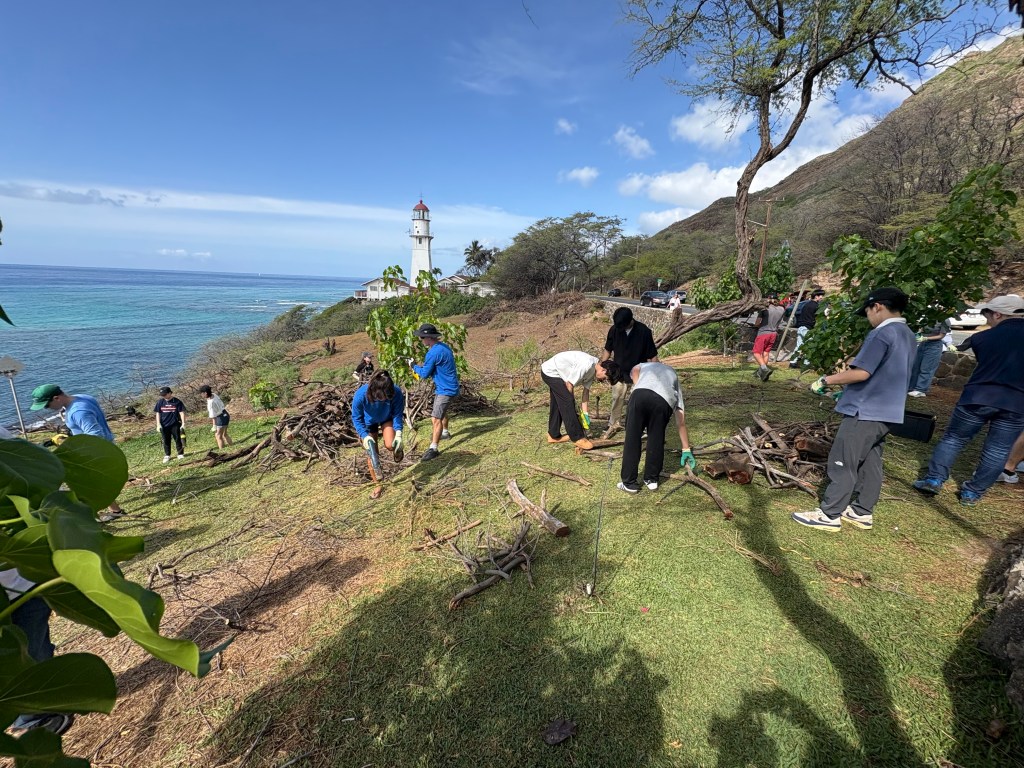
“They’ve known we’re here,” Kuilei Cliffs co-founder Keoni Kino said after a recent Saturday morning work session on these state-owned, city-managed grounds. “The way we looked at it, the city just looked the other way, just acknowledged that it was way too much work to do and just let it go.”
Nonetheless, the tricky legal and liability issues associated with looking the other way finally came to a head on Jan. 3, when a city parks official informed Kuilei Cliffs that a police report had been filed about the volunteers’ removal of the invasive kiawe trees — and that all work needed to stop.
A sticking point, Kuilei Cliffs leaders say, involves the irrigation lines they installed two years ago using abandoned city equipment. The water comes from the city’s system, and parks crews believe it is affecting the water pressure at the nearby beach park’s shower.
“Any further action” to alter the landscape, Acting Regional Park Manager Bret Fisher wrote in an email, “will warrant an immediate call to HPD.”
Fisher also said the group had ignored city requests to schedule rubbish pickups and to stop watering their planted landscaping after 10 a.m. For Kuilei Cliffs to continue its work, Fisher added, it needed to apply for the Adopt-a-Park program.
Kino, however, says the cliffs’ transformation would never have occurred if the group had tried to fit within Adopt-a-Park’s constraints.
Further, Kino and other volunteers say, the dust-up raises the question of why the parks department hasn’t done more on its own to maintain that site. It also shows how hard it can be, Kino added, for community groups such as his to effectively mālama ʻāina — steward the land — in a state that’s notoriously plagued by invasive species.
Now, top city leaders say they’re considering those questions as well.
“We will work this out,” wrote Honolulu Managing Director Mike Formby, one of Mayor Rick Blangiardi’s top aides, in an email. Formby had toured the Kuilei Cliffs work site with Kino earlier this month.
“We have lots of community groups who regularly convene to help maintain” trails and parks, Formby wrote, “and they don’t have to fall under the Adopt-a-Park program. I would prefer to not over-regulate this type of good work and find a way to work with these groups without too much structure.”
“I would prefer to not over-regulate this type of good work.”
Honolulu Managing Director Mike Formby
Formby also met with group leaders at Honolulu Hale on Feb. 7. A follow-up meeting is slated for next week, according to Kuilei Cliffs board member Mary Demonteverde.
Ignoring Fisher’s original warning, Kuilei Cliffs’ community volunteers have continued to show up every Saturday, breaking down dried kiawe branches and planting new plants and saplings. The police, Demonteverde said, have never stopped by.
Start With Forgiveness
Kino acknowledges that the group has often taken an approach of asking for forgiveness instead of permission from the city in its mission to restore the cliffs above the popular beach and surf site.
But that’s because the Adopt-A-Park requirements, he said, would be way too cumbersome for the group to function and its casual weekly volunteer sessions would never get off the ground.
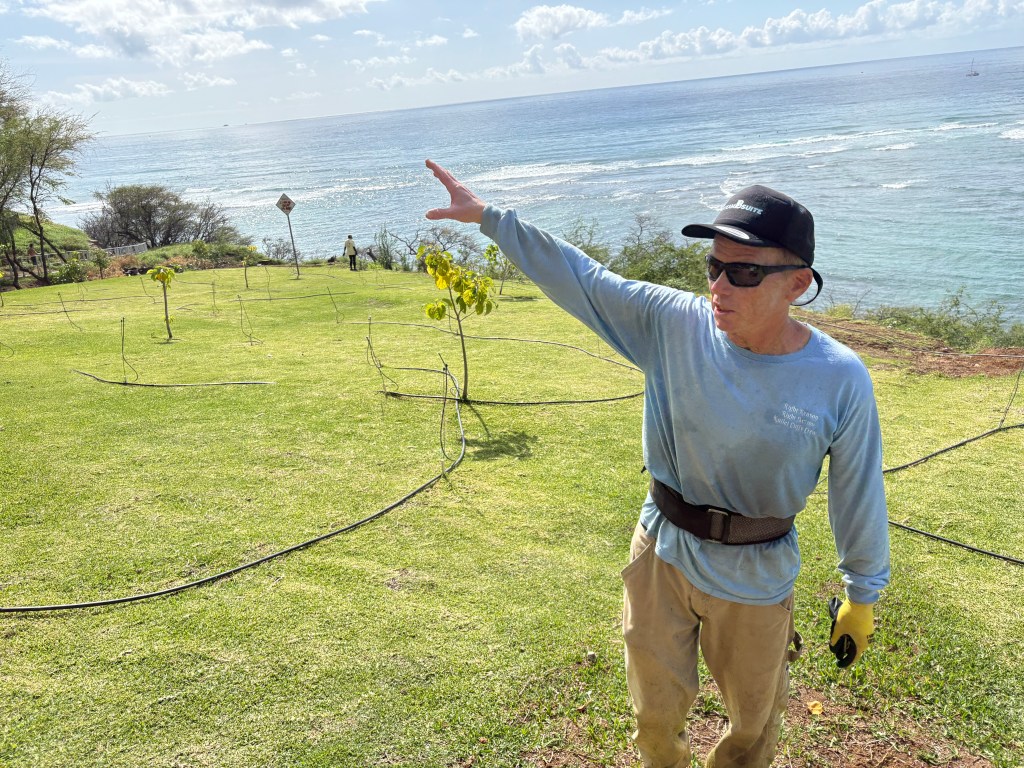
Specifically, the program requires that the group alert the city a month before any planned work event and provide the estimated number of volunteers expected to attend. All volunteers must sign a liability waiver ahead of time.
That’s unrealistic, Kino said, for cleanups that occur weekly and rely on people to stop by when they can.
During a visit to the site two years ago, Honolulu Parks Director Laura Thielen asked Kuilei Cliffs to join the Adopt-a-Park program, Kino said, but he opted not to proceed after reading the application.
Since then, city park crews have occasionally stopped by to monitor what they’re doing.
“We’ve been here four-and-a-half years,” he said. “Not once did they offer us, ‘Hey, you folks need rakes? Do you need rubbish bags? Do you need some fertilizer, do you need some topsoil?’ Not once.”
It’s not clear whether other local cleanup groups have run into similar Adopt-a-Park issues as Kuilei Cliffs. Another nonprofit, 808Cleanups, organizes cleanups around the island almost every day and requires its volunteers to submit waivers to participate. The group did not respond to questions about how well it’s able to work within the Adopt-a-Park program restrictions.
Meanwhile, many of the Kuilei Cliffs volunteers who participate, Kino said, are nearby residents trying to create more open space to use outside of their small condominiums and apartments. The group formed at the onset of the Covid-19 pandemic, when many people were looking for ways to visit parks without being ticketed by the city.
During the height of the pandemic, Kino said, HPD officers would often drive past to check that the Kuilei Cliffs volunteers weren’t just sitting around. Since those days, he added, the weekly work sessions have forged a strong sense of community.
Other volunteers on duty earlier this month said they’re frustrated at how the city parks officials have responded to Kuilei Cliffs, especially given all the physically taxing work the group does there.
“To come and threaten volunteers is pilau,” said Kuilei Cliffs volunteer Jordyn Merziotis, using the Hawaiian word for rotten. “It’s wrong, instead of offering to work together.”
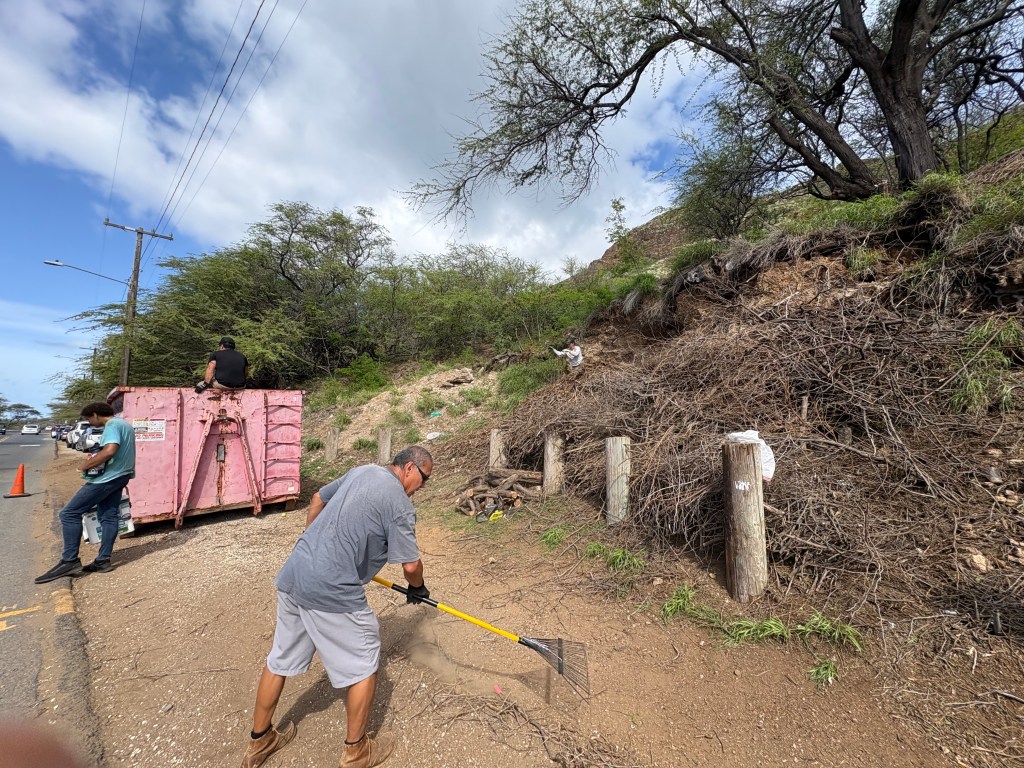
As she tossed kiawe branches into a dumpster on the mauka side of Diamond Head Road, Merziotis said she just wants to get the ecological restoration work done, regardless of the official process.
“I have two hands. I can help,” she added. “This is my neighborhood. I want to enjoy it.”
A Game Of Cat And Mouse
In recent months, city crews started to switch off Kuilei Cliffs’ irrigation valves on Mondays, Kino said, when water is needed to keep the Saturday plantings alive.
Those irrigation lines, Fisher wrote in his email, are affecting the shower that surfers and beach-goers use to rinse off.
However, Kino said he’s checked himself and found that the shower pressure remains low even when the irrigation is turned off. He suspects the pressure issues could stem from old underground waterlines running through the cliffs. Similar pressure issues dog the new beach shower at nearby Kaimana Beach, and the city believes underground lines there could be a factor as well.
After the parks crews turn off the valves, Kino said, he returns to turn them back on. Still, some of the added landscaping has started to die from the shut-offs.

Honolulu’s Parks and Recreation Department, meanwhile, says it’s responsible for 1,800 acres of either undeveloped or unimproved land across the island — parcels that don’t get maintained due to the department’s limited staff and equipment.
Thus, it considers partnerships with community groups essential to steward as many of those untended lands as possible.
“Together we can all help to mālama ‘āina and continue to keep O‘ahu beautiful!” the department states in its form for community groups to apply to adopt a park.
It remains unclear, however, why the city doesn’t consider the foothills above the beach at Diamond Head a bigger maintenance priority.
The beach parks there are often packed with surfers, joggers, cyclists and beachgoers. More locals gather on the grassy slopes now that the weeds and brush are gone, too, and the ocean views from those cliffs are often featured in magazines and other media promoting the state.
“We’re going to can-do, because it’s the right thing to do.”
Kuilei Cliffs co-founder Keoni Kino
Formby in his email last week said he agreed the Kuilei Cliffs area warrants greater city attention.
“I think we have within our authority the power to do what is necessary to keep the volunteer work coming,” he wrote, “and step up on the City’s side by helping the volunteers clear, clean, plant and beautify the slopes of Diamond Head.”
Kino pointed to a video posted on Blangiardi’s YouTube channel the same day his group was told to cease activity, in which the mayor told Honolulu City Council members, “Let’s stop talking about what we can’t do and let’s just shift to what we can do.”
That’s the approach Kuilei Cliffs takes, he said, when it disregards those instructions set forth by Blangiardi’s own parks department that the group see as obstacles.
“We’re going to can-do, because it’s the right thing to do.”