Hawaiian Volcano Observatory Is Being Evicted Amid Federal Cuts
Observatory leaders have assured local emergency officials their public service will continue, but questions linger about how and where that work will happen.
For more than 100 years, the Hawaiian Volcano Observatory has kept a close eye on Kīlauea and other geologic hot spots to warn Big Island residents before eruptions, while training hundreds of volcano researchers from around the globe.
Now, the observatory’s staff faces eviction from their current headquarters at the Ironworks Building in Hilo — where they have been housed during construction of their new, permanent observatory — as part of the Elon Musk-led effort to end hundreds of federal leases early.
It remains unclear exactly how that lease cancellation will affect the observatory’s research and public services; no one seems to want to talk about it.

Its leaders and the agency that runs it, the U.S. Geological Survey, declined to directly address questions about their impending departure, although they did say they remain committed to the mission of monitoring Kīlauea, Mauna Loa and other active sites across Hawaiʻi.
A list obtained by the Associated Press of Department of Government Efficiency cancellations indicates the Hilo USGS could close Sept. 30.
The Ironworks Building, researchers say, houses the observatory’s expensive computer and field equipment, as well as its volcanic field samples. It was also included on a recent General Services Administration list of offices slated for early lease termination, circulated by House Democrats in Congress. The end date in that document was the same.
The observatory’s previous headquarters, at the Kīlauea summit, was left structurally unsafe to use in 2018 amid earthquakes and the eruptions nearby. The new building in Hilo, officials said, won’t be ready until around 2028.
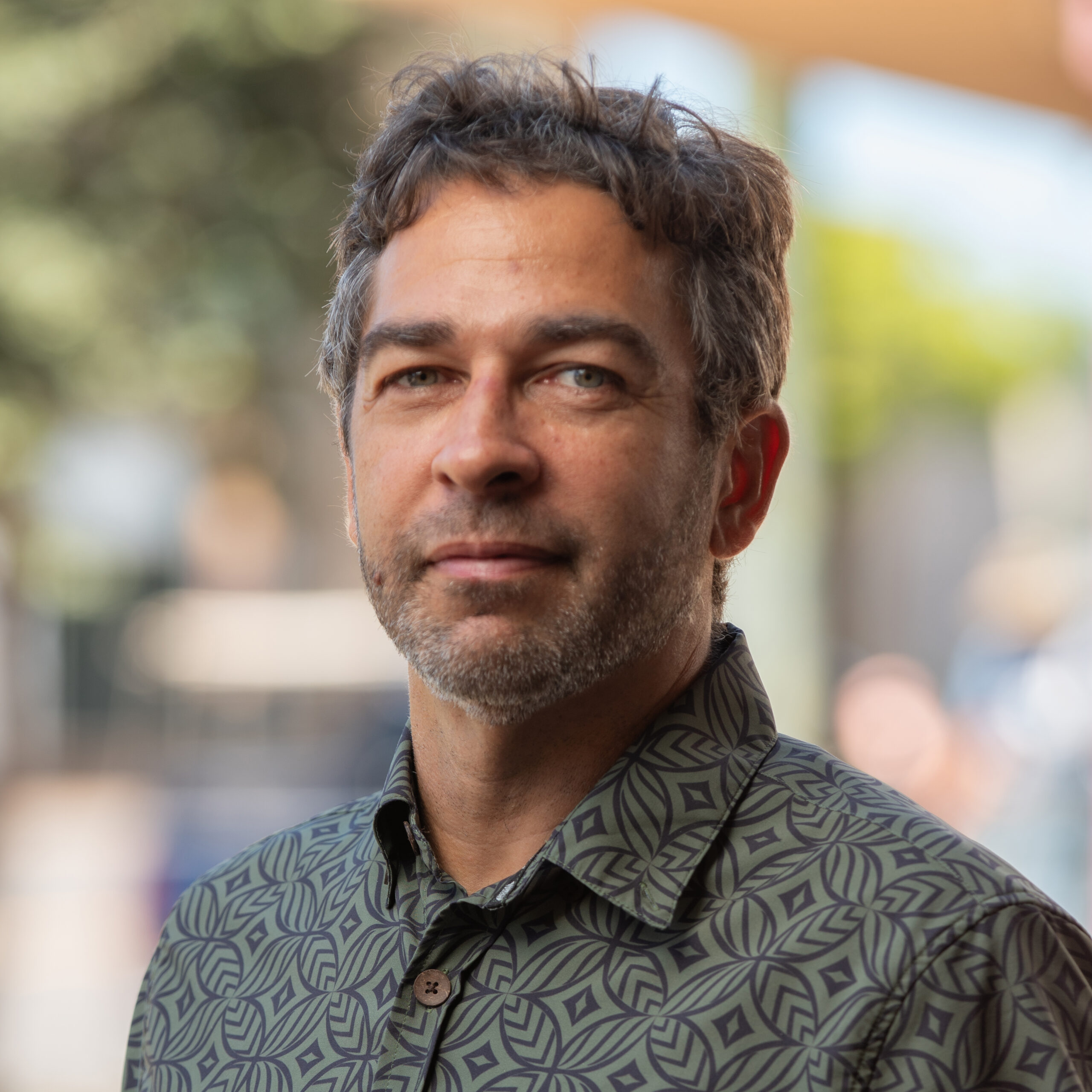
Scott Rowland, a longtime University of Hawaiʻi Mānoa Earth Sciences professor specializing in volcanology, said the observatory scientists are “really trusted by the people of the Big Island.”
“Storing that equipment and keeping it up and running right in a decent facility is important.”
Scott Rowland, University of Hawaiʻi Mānoa Earth Sciences professor
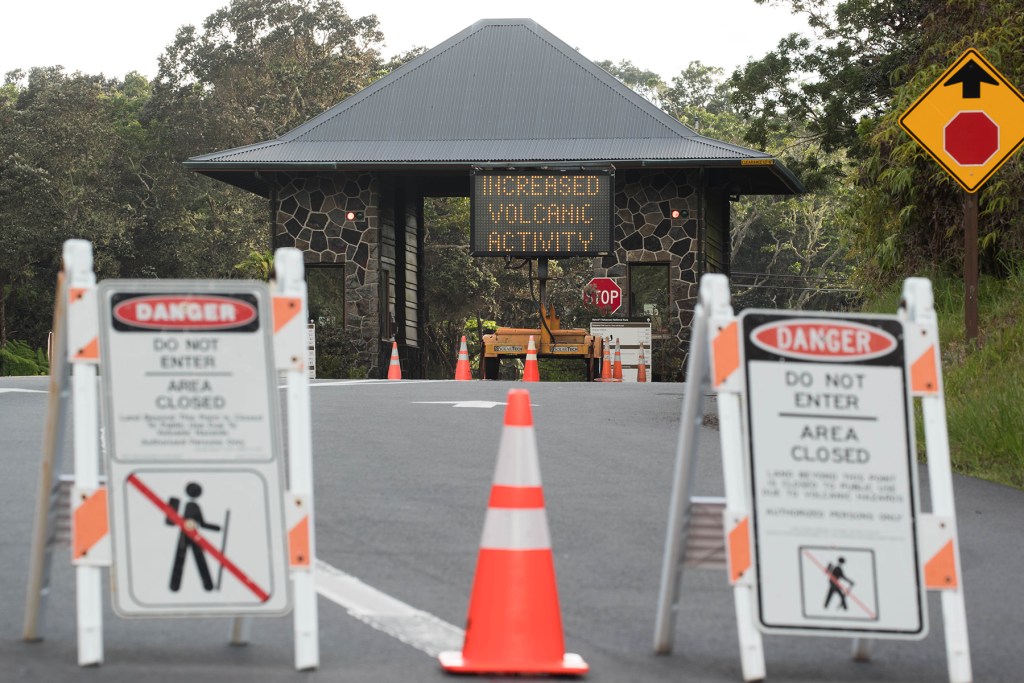
People have come to depend on the observatory’s daily updates. On Tuesday, it began by predicting that while the “Kīlauea summit eruption remains paused” it would not be so for long. A “new eruptive episode is likely to begin within the next 1-3 days in Hawai’i Volcanoes National Park,” it said, offering a link to a USGS livestream for those who want to check for themselves.
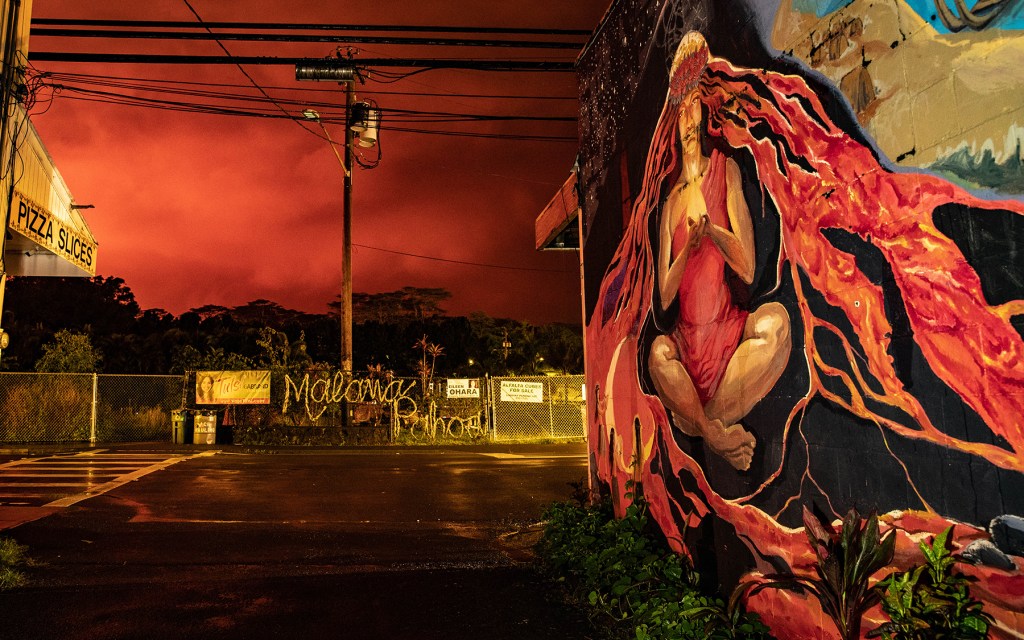
The posts are rich with science, history and culture — and warnings to visitors. The most recent includes information about a phenomenon known as Pele’s hair, named for the Hawaiian goddess of volcanoes and fire, that is appearing in a currently closed area of Hawai’i Volcanoes National Park. It explains: “Pele’s hair are strands of volcanic glass often produced by lava fountaining activity … (that) can cause skin and eye irritation.”
Rowland commended the staff for its dedication.
“There’s certainly nothing frivolous about HVO,” Rowland said. “You know, they’re not living in fancy buildings and driving souped-up Lexus four-wheel-drive vehicles.”
“They have the equipment that they need to do their job, and storing that equipment and keeping it up and running right in a decent facility is important.”
‘No Hiccups’
Hawaiʻi County Civil Defense Administrator Talmadge Magno said that when he heard about the impending closure several weeks ago, he reached out to the observatory’s scientist-in-charge, Ken Hon, for an update. Magno said Hon assured him that “there will be no hiccups in their monitoring and reporting.”
The island’s Civil Defense Agency relies on observatory scientists for briefings during eruptions, such as the 2018 event in Puna that raged for four months and destroyed hundreds of homes.
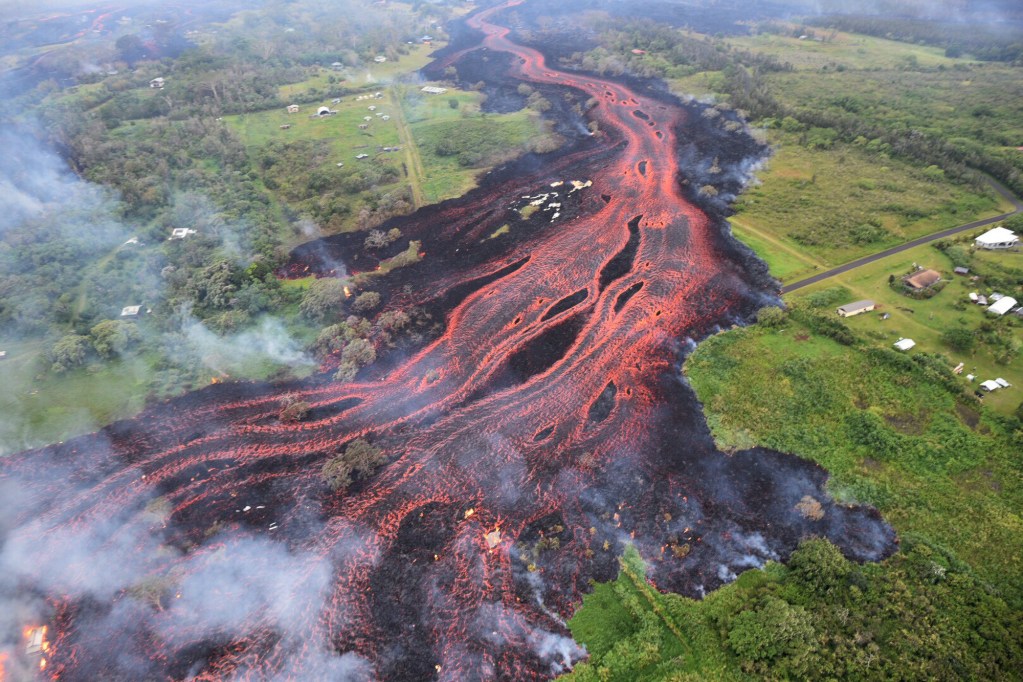
In an article for UH’s Ka Pili Kai magazine, former observatory Scientist-in-Charge Christina Neal recalled that in the months before the eruptions, researchers had recorded mounting pressure within the volcano, allowing them to get ahead of the moment when the Puʻuʻōʻō cone collapsed.
“We’re fortunate that the volcano gave us a clear signal,” Neal said in the story. “The county and its community emergency response teams sprang into action and began notifying the residents of lower Puna.”
According to Magno, once the observatory leaves the Ironworks Building, Hon said the team would function similarly to the way it did during the Covid-19 pandemic, when staff had to work remotely.
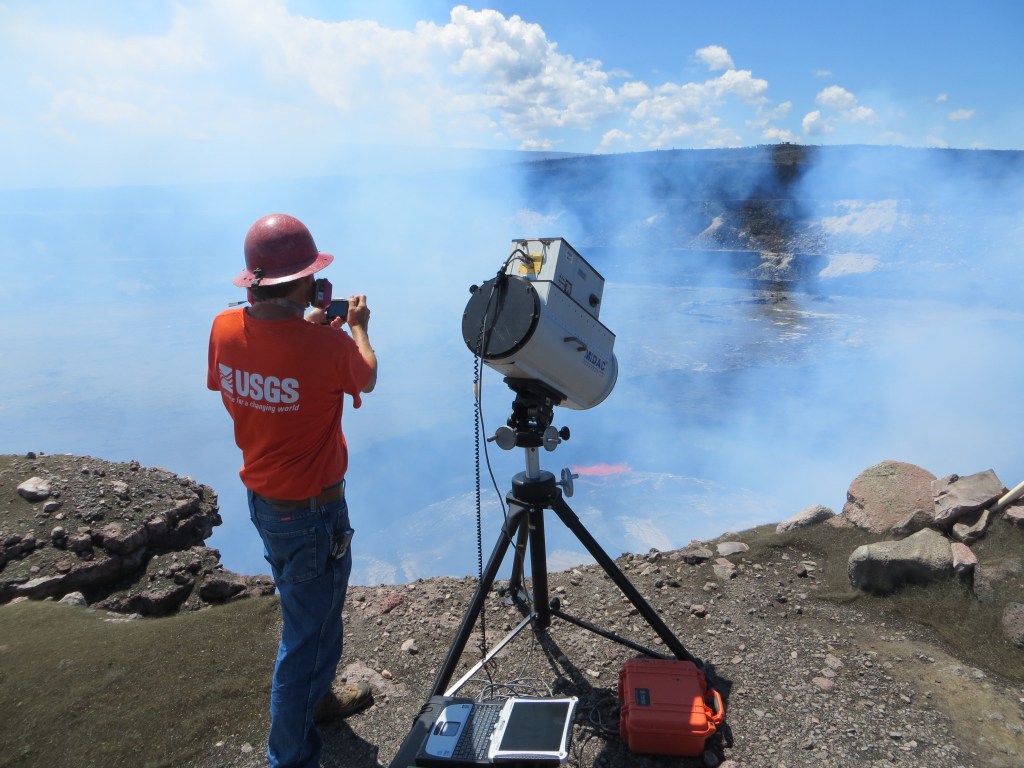
On Monday, Hon, reached by phone, said he could not comment on the observatory’s lease situation but added that “we will continue monitoring the Hawaiian volcanoes.”
“USGS as a whole is committed to our mission, and we will continue our mission and to do the best possible job,” Hon said. “Certainly, Hawaiian Volcano Observatory is committed to the community.”
Still, questions and concerns linger among some of the observatory’s academic partners about how they’ll manage to stay the course.
“It’s something we’re really worried about as people who collaborate with them.”
Rose Gallo, Ph.D. candidate in earth sciences at University of Hawaiʻi Mānoa
Rose Gallo, a Ph.D. candidate in earth sciences at the University of Hawaiʻi Mānoa, wondered where some of the observatory’s large and expensive equipment would be housed. During the pandemic, Gallo noted, staff could still access that equipment at the Ironworks Building under quarantine protocols.
“There may be ways that they know how to deal with that,” said Gallo, whose studies focus on volcanology. “I really hope that they have a solution in mind. It’s something we’re really worried about as people who collaborate with them.”
Gallo noted that relocating equipment would cost money.
When asked last week how the lease termination would affect the observatory, USGS replied in a statement that “we are actively working with GSA to ensure that every facility and asset is utilized effectively, and where necessary, identifying alternative solutions that strengthen our mission.”
The statement further said that “these efforts reflect our broader commitment to streamlining government operations while ensuring that our scientific efforts remain strong, effective, and impactful.”
Civil Beat’s coverage of climate change is supported by The Healy Foundation, Marisla Fund of the Hawai‘i Community Foundation and the Frost Family Foundation.
Civil Beat’s coverage of environmental issues on Hawaiʻi island is supported in part by a grant from the Dorrance Family Foundation.