Hawaiʻi Lawmakers Propose New Effort To Map Ancient Fishponds
Nonprofits would create a database of fishponds to help kickstart restoration efforts
Nonprofits eager to restore ancient fishponds that once sustained Hawaiʻi’s Indigenous population face an immediate problem — first they have to know where they all are.
The state hasn’t kept track, so now lawmakers want to create a database with maps of where those ancient ponds are located. It’s the first step in restoring a key component of native food systems that advocates hope will help Hawaiʻi become less reliant on imported goods.
There were nearly 500 ponds in Hawaiʻi before Western contact that helped to sustain an estimated native population of over 1 million people.
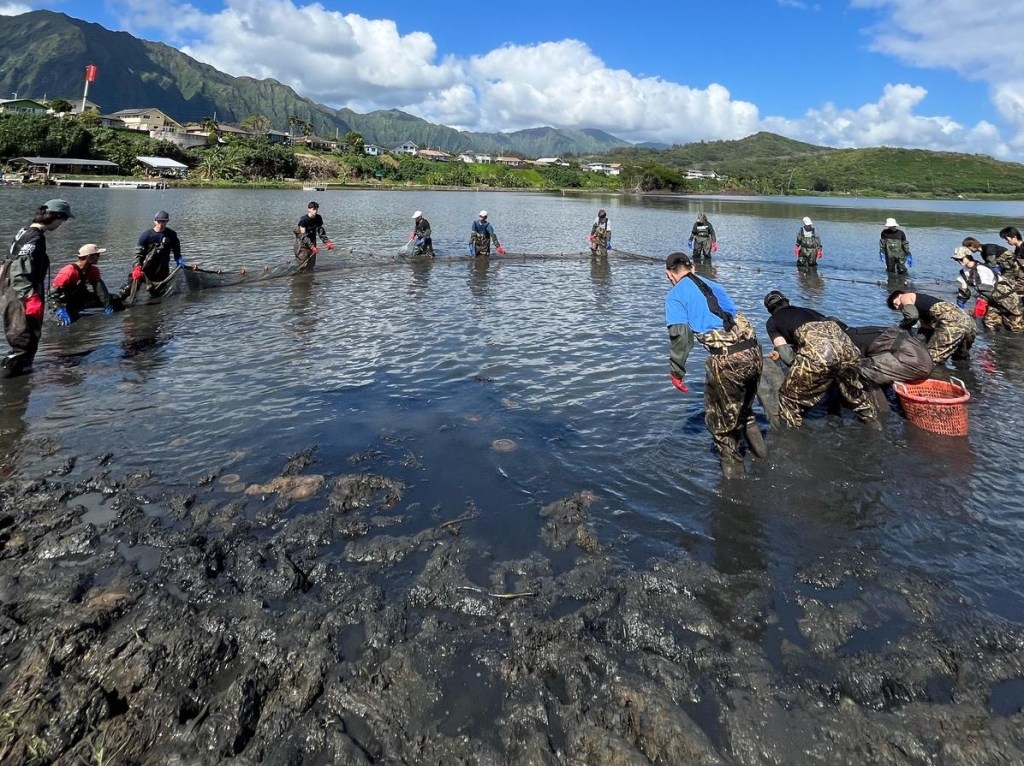
“Caretaking of these places is what actually can cultivate more abundance than what is naturally there,” said Brenda Lima, a coordinator with Kuaʻāina Ulu ʻAuamo, a group that supports restoration efforts.
House Bill 309 would create a working group to compile a comprehensive database of loko iʻa around the state. The effort would be led by the University of Hawaiʻi Mānoa’s Sea Grant College Program and a handful of nonprofits and restoration groups, including Kuaʻāina Ulu ʻAuamo and restoration group Hui Mālama Loko I’a.
Rep. Mahina Poepoe worked with Hui Mālama Loko I’a to write the bill.
“My hope is it helps future loko iʻa practitioners, especially ones wanting to perpetuate native Hawaiian cultural practices, to be able to understand the conditions of loko i’a, and understand where they exist,” Poepoe said.
Poepoe, who has experience with loko iʻa restoration, said that creating a database of fishponds will become even more imperative as climate change and sea level rise threaten ecosystems in Hawaiʻi.

The working group would be required to create a map of all the ancient fishponds in Hawaiʻi that includes information on how the fishponds were used, what the surrounding land uses are and whether the fishponds were destroyed.
The restoration of fish ponds has always fascinated Lima.
“They’re just in that amazing transition place of mauka to makai,” she said.
That fascination drew her to groups like Kuaʻāina Ulu ʻAuamo, where she now works. KUA, as the organization is also known, works with cultural practitioners to protect limu and preserve loko ia.
KUA and Hui Mālama Loko ia, were instrumental in passing legislation last year that required the state to outline leasing requirements for organizations that wanted to utilize state land to restore fishponds.
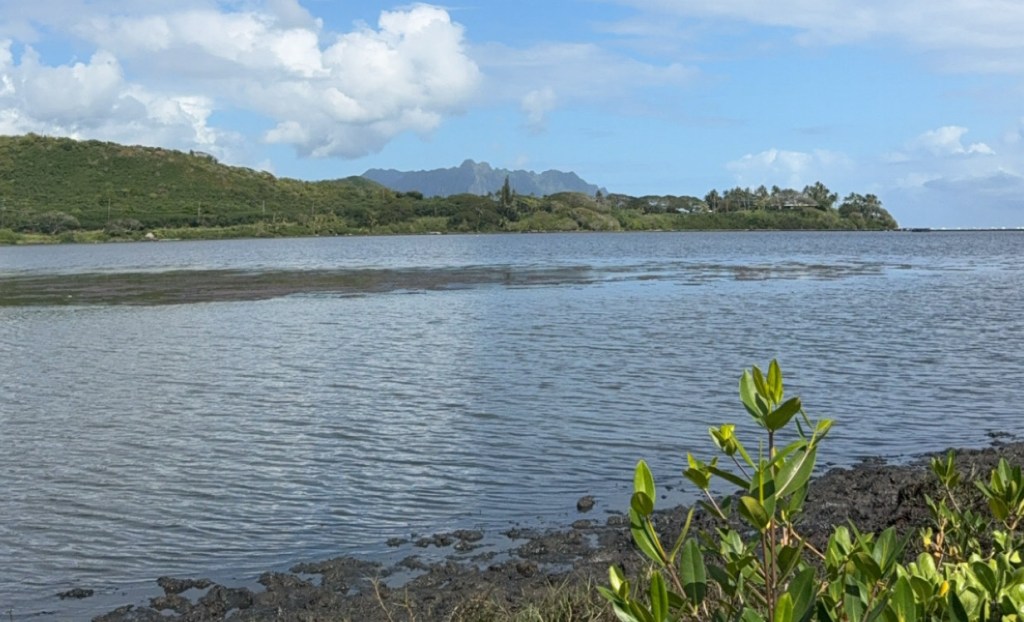
However, Lima said, they soon discovered that no one knew where exactly those ancient fishponds were.
KUA connected Hui Mālama Loko I’a with Poepoe to work on the database bill this session.
The Hawaiʻi Sea Grant program at UH would facilitate the working group and bring research expertise, coastal resilience specialist Katy Hintzen said.
The Sea Grant program recently assisted with an assessment aimed at making fishponds more resilient to the effects of climate change, which ties into this overall goal of a cohesive database.
The working group would have until 2027 to produce a final report. Lawmakers proposed $250,000 in each of the next two years to fund the database effort, but the final amount has not yet been determined.
The bill cleared its final Senate committee and is now headed to the full 25-member chamber for a floor vote.