

Hawaiʻi Farmers And Ranchers Face $46 Million In Federal Funding Cuts
The USDA decision has led to lost jobs, confusion and a setback on climate initiatives in the agricultural sector.
At least 30 contracts with Hawaiʻi farmers and ranchers have been eliminated and up to 60 local jobs will be lost in the wake of the U.S. Department of Agriculture’s latest round of cuts.
Agriculture Secretary Brooke Rollins has axed the Parternship for Climate-Smart Commodities, a $3.1 billion program she described last week as a “Biden-era climate slush fund” and “green new scam” that benefited nonprofits more than agriculture.
The partnership had funneled $46 million to Hawaiʻi to jumpstart a long list of climate-friendly agricultural initiatives, from planting food forests to managing invasive species and improving soil health, while also boosting local food production.
Rollins said the USDA would repurpose the funding for a new program and allow groups to reapply for grants. But Hawaiʻi beneficiaries have already started shedding staff and shredding contracts, unsure how they will survive long enough to reapply or be able to continue their work under revised conditions.
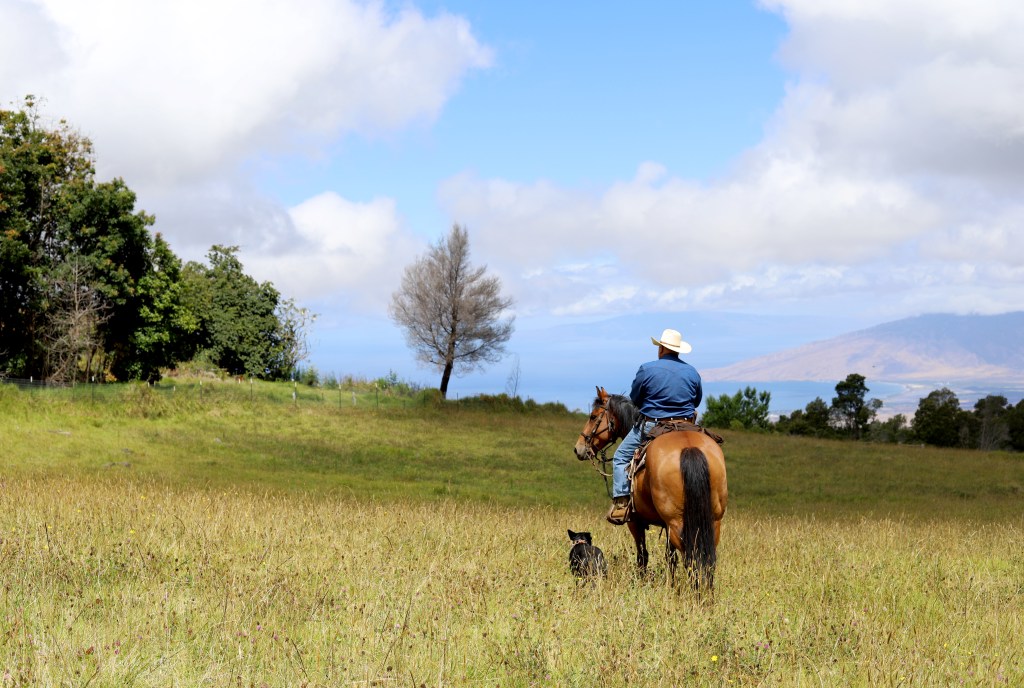
Hawaiʻi’s agricultural sector has endured a string of funding freezes and contract cancelations since the Trump administration began its crusade curtailing federal spending earlier this year. The mounting tally has now surpassed $60 million in Hawaiʻi, which is more than the state Department of Agriculture’s annual budget.
The commodities program was launched in 2022 with a goal of enlisting 60,000 farmers to reduce greenhouse gas emissions by introducing climate-smart agricultural practices.
By June last year, the program comprised 14,000 farmers and covered 3.4 million acres, including at least 4,000 acres and more than 30 farmers in Hawaiʻi, with more in the pipeline.
The USDA said it plans to instead use the program’s funding under an “Advancing Markets for Producers” initiative that aligns with the Trump administration’s values. Some fear it will dismiss its original focus of climate change.
“I know that climate-smart is a bad word these days, but we’re really just talking about soil health,” said Anny Bruch of Hawai‘i Farmers Union United. “It’s an investment in our own land and our own farms.”
A Chilling Effect
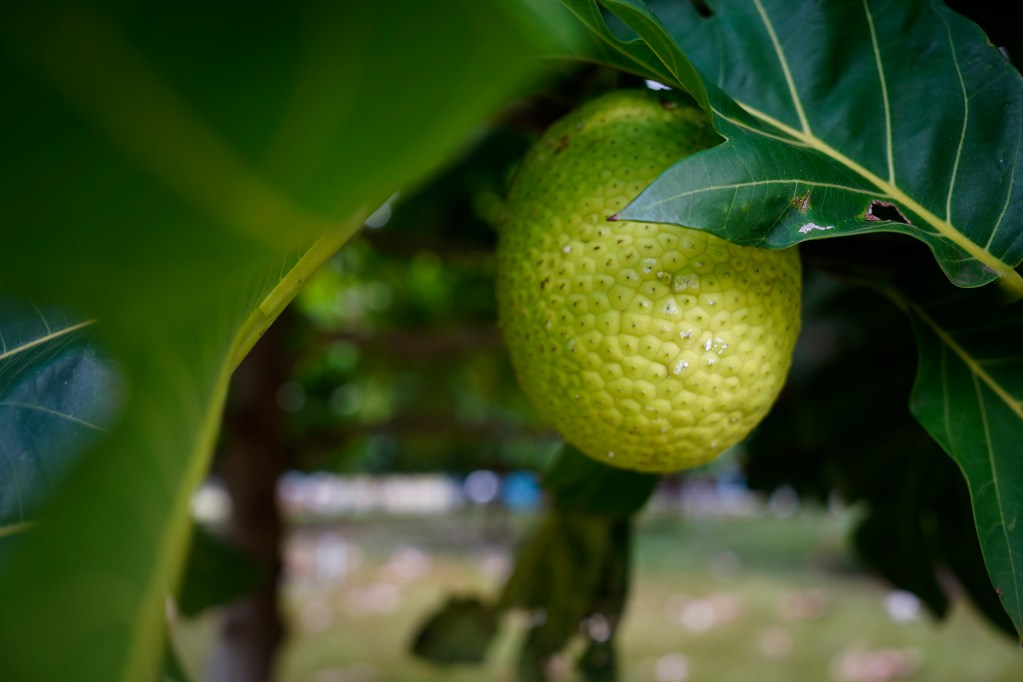
The USDA has invited certain projects to reapply for funding under its reformed and rebranded program, including a Lynker Corporation and University of Hawaiʻi-led program overseeing a $40 million chunk of that money. An additional $6 million for the Hawaiʻi ʻUlu Cooperative was cut under a different national partnership program, which didn’t qualify to reapply.
The reapplication period begins in June, which some partnership members say is too far away for organizations to absorb the cost of maintaining the program without federal reimbursement.
Over the past week, staff at impacted organizations have been let go and reassigned to other roles.
Bruch is among those losing her job. It did not come as a surprise, she said, since funding for the partnership had been frozen for the past three months.
“We were just waiting for the other shoe to drop,” Bruch said.
The union and other partners have been fielding calls from farmers who had invested time and money into the program, only to lose out due to the administration’s actions. The USDA said it would honor invoice reimbursements dated up to April 13, which provides relief to some contracted farmers.

Many working with the Hawaiʻi ʻUlu Cooperative — part of a separate project, run by The Nature Conservancy — are feeling deflated by the USDA’s announcement.
The co-op and its contracted farmers were “working so hard for literally years to take advantage of the opportunity,” executive director Dana Shapiro said. “So it definitely feels like people are being punished for something they were not part of.”
The terminated contracts in Hawaiʻi will have a chilling effect on farmers and ranchers, U.S. Rep. Jill Tokuda said.
“There’s going to be a lot of folks who will reconsider applying again,” she said.
The islands, with comparatively low populations and small job markets, often make technical specialists in subjects like climate-smart agriculture a rarity. So losing just one staffer could have an outsized impact for an entire county, Tokuda said.
Tailored To Hawaiʻi Farmers
The Hawaiʻi Partnership for Climate-Smart Commodities focused on incentivizing farmers and ranchers to take steps to minimize the climate impacts of their work, including the health of Hawaiʻi’s soils.
The partnership was made up of 12 organizations, led by the University of Hawai‘i, including the Hawaiʻi Cattlemen’s Council, Hawaiʻi Farmers Union United, The Kohala Center and Oʻahu Resource Conservation and Development Council.
Each played a specific role to help farmers across the islands, focusing on goals related to soil health, carbon sequestration, greenhouse gas emissions and socio-economic factors, as well as other farmer and rancher-dictated objectives.

The program’s first phase included more than 30 farmers and ranchers. A second phase, set to start in early summer, would have enrolled another 30 farmers to take on the same climate-friendly practices.
“The majority of our money went to producers to meet their expressed needs here in Hawai‘i,” UH researcher Susan Crow said. “Our original vision went far beyond payments to producers, which is what the revamp is entirely focused on.”

The USDA has indicated that the rebooted program should ensure at least 65% of funding goes directly to farmers. For the Hawaiʻi program, education and technical assistance was a major focus as support was needed to help the small farms that dominate the agricultural sector.
“It sounds good in theory, that you want the majority to go to the farmer,” Tokuda said. “But I think it favors the larger producers, the larger entities, when really we’re looking at how to provide support to smaller and underrepresented communities.”
Crow said the intent of the project was to benefit a wide array of farmers and ranchers statewide, and the program was informed by their input and tailored to their values while meeting the USDA’s requirements.
“That part is what we fear will be lost,” Crow said. “That said, we’re grateful for the opportunity to resubmit. We will consider what that submission looks like once we care for our people, our producers and our staff.”
“Hawai‘i Grown” is funded in part by grants from the Stupski Foundation, Ulupono Fund at the Hawai‘i Community Foundation and the Frost Family Foundation.

