

Five Troubling Findings From New Report On Hawaiʻi’s Health
University of Hawaiʻi study has followed 2,000 people since 2022. This year includes after-effects of Maui wildfires
The latest report on health in Hawaiʻi from the University of Hawaiʻi Economic Research Organization paints a sobering picture.
Hawaii’s Health and Wellbeing Journey Over Time – Monitoring Equity And Access found that existing health disparities — including access to care — have widened precipitously in less than two years for most non-white ethnic and racial groups, especially Native Hawaiians and Pacific Islanders. Health factors have also declined for low-income communities.
Overall health, access to mental health care and food insecurity are among the areas with the most notable disparities. And even in areas where there has been improvement, such as the number of people experiencing depression, the results are worse for Native Hawaiians, Pacific Islanders and low-income residents.
The report included responses collected after the August 2023 Maui wildfires, which affected health in a wide variety of ways, said Ruben Juarez, a professor of health economics at the University of Hawaiʻi and one of the report’s authors.
“Those individuals who were affected (by the fires) are also individuals who had some of the worst health outcomes in the state before the fires,” he said.

At the same time, the factors that exert a downward pressure on health compound over time, which helps explain why the decline has been so sudden and steep.
“This is not about people getting sick by itself, it’s about a cumulative toll,” he said.
The report makes no in-depth recommendations to address the inequities, but said they required “targeted investments in community-based mental health services, culturally competent healthcare providers, and expanded access to both primary and dental care — especially in underserved rural and outer islands.”
The report is the fourth in a study that began in 2022. Researchers have tracked the same 2,000 people, a group designed to reflect the state’s demographics. Every single ZIP code in Hawaiʻi is represented, Juarez said.
“Health in Hawaii has been declining,” Juarez said. “It’s not because people are getting sicker, but it’s really because our system is failing to meet their basic needs like food, housing, mental health care. And this is especially obvious for the Native Hawaiians and Pacific Islanders and low-income communities.”
Fewer People Say They’re Really Healthy
Across Hawaiʻi, fewer people said they were in excellent or very good health in the latest survey, taken in December 2024, with the steepest decline reported among Native Hawaiians and Pacific Islanders and people living at or below the poverty level.
In June 2023, 44% of Native Hawaiians and Pacific Islanders said they were in excellent or very good health. Eighteen months later, that number had dropped to 31%.
People in poverty reported an even greater decline, dropping by nearly half from 40% in excellent or good health to 23%. For a family of four in Hawaiʻi, poverty means earning $36,980 or less a year under federal standards.
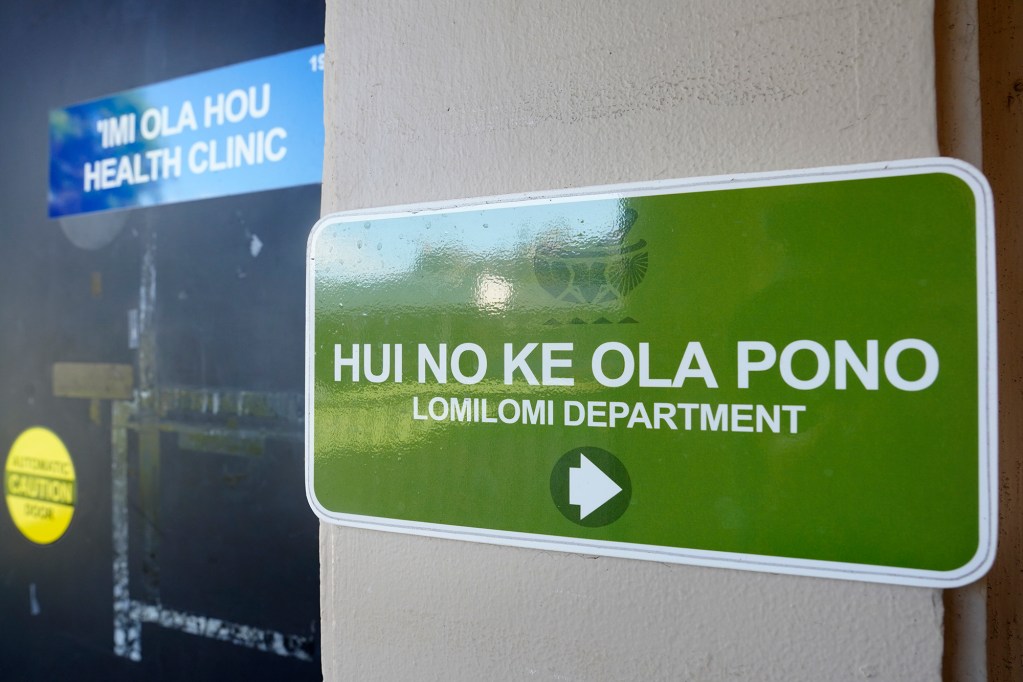
Juarez attributed the findings to a cascading array of factors that can weigh health down.
“Native Hawaiian, Pacific Islanders and low-income groups face the heaviest burden at the intersection of health, housing, food and mental well-being,” he said.
“Structural inequalities — equality for education, employment opportunities, intergenerational wealth — they all contribute. The second thing is the access side: lower access to healthcare and preventative services.”
The overall population reported a drop from 49% in excellent or good health to 40%.
Not Getting Mental Health Care
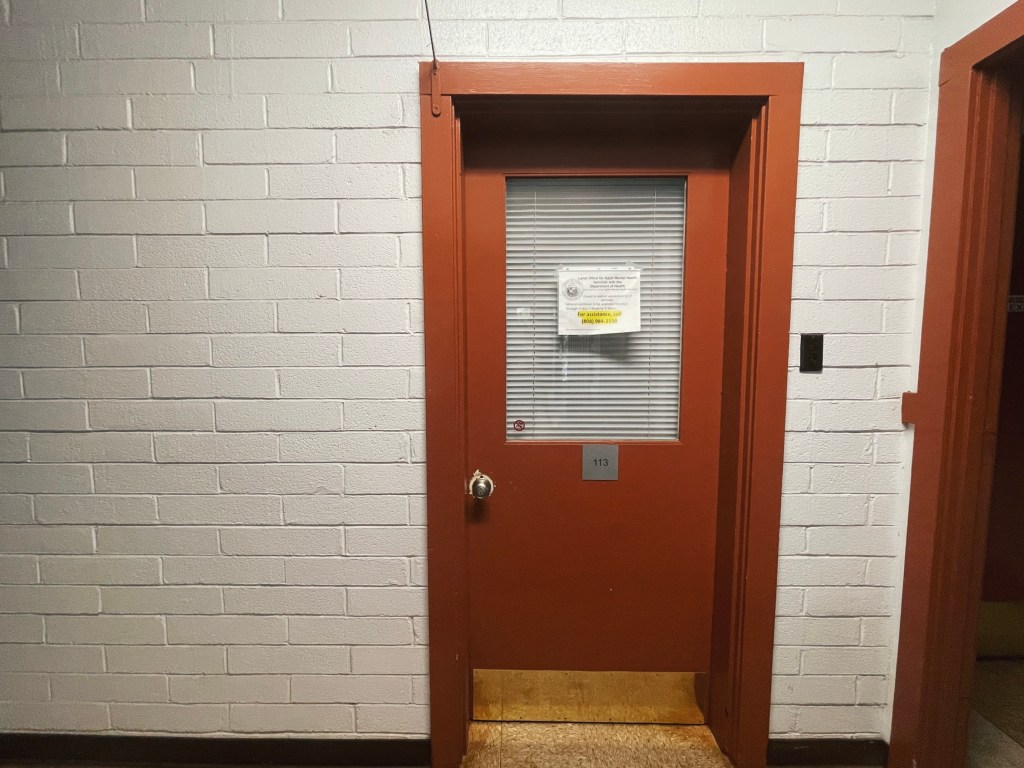
Many more people said they were not getting the mental health care they needed.
In June 2023, 5% of those surveyed said they hadn’t received necessary care in the previous six months. By December 2024, that number had jumped to 22%, with the greatest increase among young adults ages 18 to 34.
About a quarter of Filipinos, Native Hawaiians and Pacific Islanders reported lack of access to mental health care in the past six months, slightly higher than for other Asian and for white respondents.
“Across the income spectrum, respondents report similar rates of access to mental healthcare services suggesting generally inadequate provider availability,” the researchers wrote, “as well as specific gaps that disproportionately affect some population groups.”
Depression Down For Some, The Same Or Worse For Others
The report’s findings on depression were mixed but also reflected disparities affecting Native Hawaiian and Pacific Islanders and low-income residents.
In an encouraging sign, the proportion of people reporting depressive symptoms has declined, the report said. In May 2022, 37% of people who responded to the survey said they experienced symptoms of depression or severe symptoms, a number that had dropped to 31% by last December.
However, depression remained an issue for about 40% of Native Hawaiians and Pacific Islanders and for people living in poverty, it rose to 43%, with 10% experiencing severe symptoms.
Poor Access To Medical Care
The report’s findings on access to medical services were also mixed.
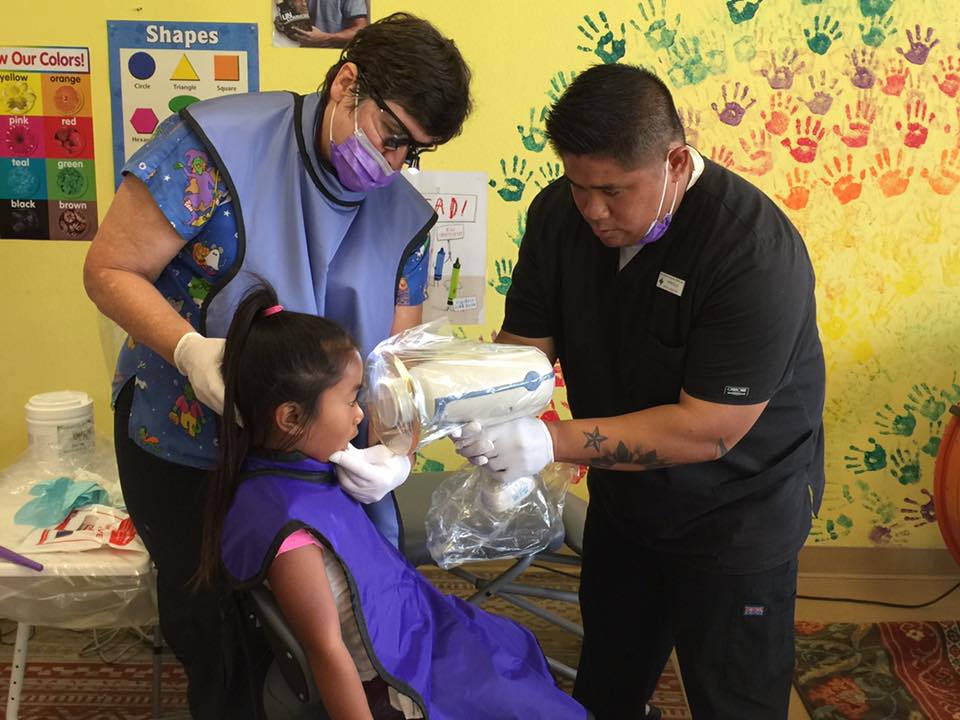
In one sign of improvement, fewer people in December said they had trouble getting access to a general practitioner than in 2023 – 57% compared to 75%. But access to dental services has gotten worse and access to specialists has “significantly deteriorated,” researchers wrote.
People with low incomes reported the greatest issues gaining access to dental care; middle and higher income people reported the most trouble accessing specialists. Researchers speculated that could be in part because lower-income people request specialists less often.
The improved numbers in access to general practitioners is partly due to increases in telecare since the Covid-19 pandemic, Juarez said, as well as health care providers and insurers increasingly pushing preventative care and regular checkups as a way to reduce emergency room visits and costs.
“It’s proof that this focused investment and outreach is working. Now they just need to apply the same urgency to these other areas like mental health, dental care and other services,” Juarez said. “Especially for those who are still falling through the cracks.”
High Food Insecurity
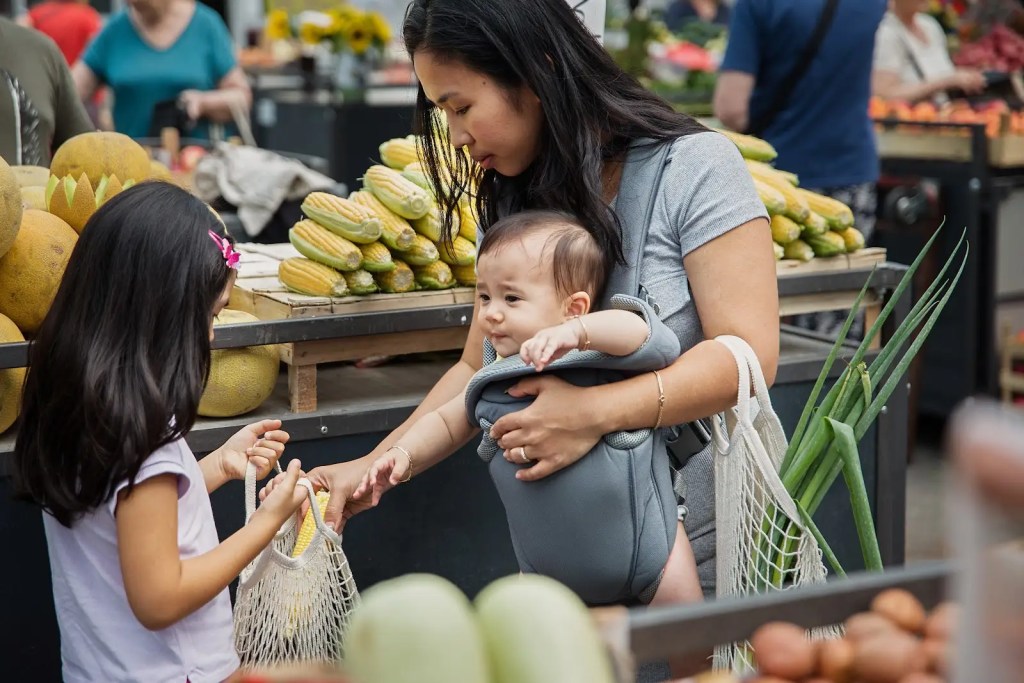
More than a quarter of people in the study are food insecure, defined in the report as struggling “to afford sufficient, nutritious food.”
Food insecurity was worst for groups including Native Hawaiians, Pacific Islanders and Filipinos.
Forty-five percent of Native Hawaiians and Pacific Islanders had low or very low food security in December; for Filipinos the number was 41%. For people living in poverty, 65% of respondents said they had low food security or very low food security.
Statewide, 157,600 residents currently receive food stamps through the federal SNAP program, which Congressional Republicans are proposing to cut by $300 billion over 10 years.
Hawaiʻi’s Changing Economy” is supported by a grant from the Hawaiʻi Community Foundation as part of its work to build equity for all through the CHANGE Framework and Civil Beat’s community health coverage is supported in part by the Atherton Family Foundation.

