For Immigrants After Lahaina Wildfire, Survival Is A ‘Daily Challenge’
A new survey shows that many immigrants are struggling with housing, jobs and stress after the 2023 fire.
Immigrants on Maui who survived the 2023 Lahaina fire are still dealing with stress, depression, unstable housing and jobs that don’t pay enough for necessities, according to a blog post published by the Economic Research Organization at the University of Hawaiʻi and the local nonprofit Roots Reborn.
The post draws on two surveys of nearly 300 immigrant wildfire survivors conducted in February and March by Roots Reborn. The organization advocates for immigrants and migrants affected by the Maui wildfires and provides legal, financial and educational support for community members.
“The data speak plainly: trauma persists, systems remain fragmented, and survival is still a daily challenge for many,” the authors wrote. However, they wrote that immigrants are actively working to heal and improve their circumstances: “These are not passive recipients of aid.”
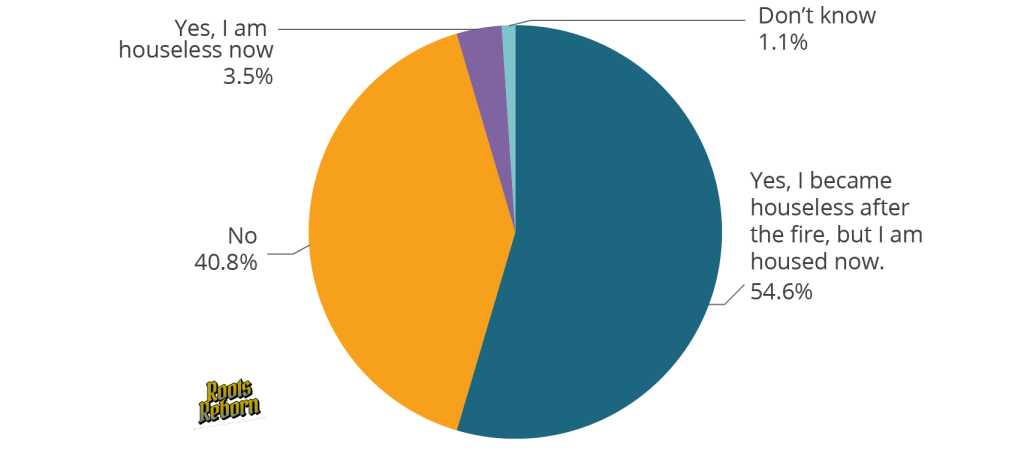
Almost 60% of immigrant survivors said they had moved at least three times since the fire, the survey found. More than half became homeless at some point after the fire, and 3.5% said they still were. The Lahaina wildfire destroyed more than 3,000 housing units and displaced more than 12,000 people, exacerbating a severe housing shortage and an affordability crisis.
About 20% of survivors said they didn’t make enough money to meet their basic needs; another 55% said they could afford some necessities. Many of them work low-wage, seasonal and gig-based jobs, authors wrote.
Nearly 1 out of every 6 people surveyed said they had no health insurance, higher than the 1 in 20 for Maui County overall. Among their concerns with the healthcare system: cost, language barriers and a fear that their documentation status will be checked.
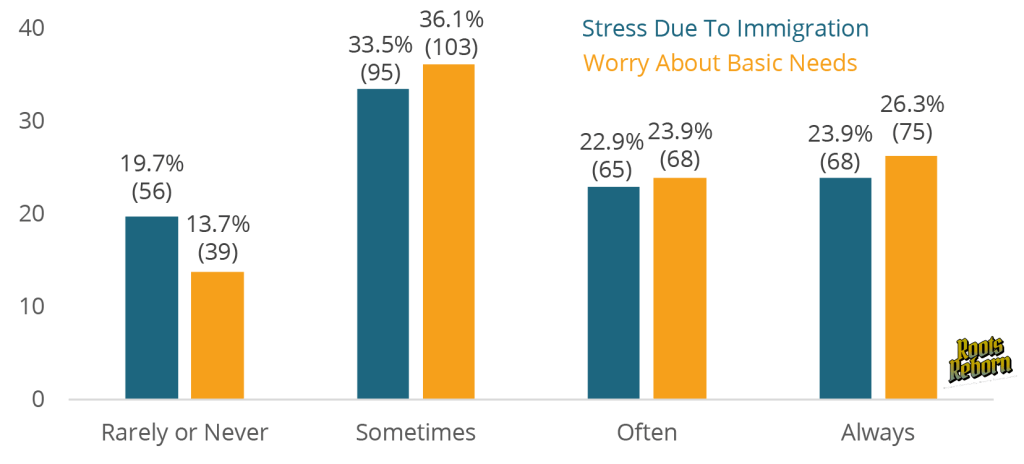
Those struggles have taken a toll. More than a quarter of respondents reported moderate to severe anxiety and nearly half reported symptoms of depression, according to the authors. That suggests that “emotional distress goes beyond short-term stress and may reflect deeper trauma or long-term adjustment challenges.”
But survivors are also looking for “services that are delivered with trust, language access, and cultural understanding, not just generic assistance,” the authors wrote. In particular, the survey showed a demand for tax preparation, assistance establishing legal status, group therapy, driver’s test prep and classes in parenting and English.
Civil Beat’s coverage of Maui County is supported in part by a grant from the Nuestro Futuro Foundation.