

Student Debt Puts Hawaiʻi’s Older Adults At Risk Of Social Security Cuts
People who stopped paying their student loans during the Covid-19 pandemic could soon start facing reductions in their monthly Social Security benefits.
More than 20 years after Kathleen Wyatt finished her first master’s program, she returned to college, took out a federal student loan and earned a second degree in business administration. At the time, the former nurse planned to open an adult daycare center and wanted to get a strong grasp of finance first.
The 76-year-old regularly paid off her debt until 2020, when the federal government paused payments and interest to ease financial hardships with the onset of the coronavirus pandemic. When the grace period ended in 2023, Wyatt tightened her budget and canceled a life insurance policy to make her monthly payments of $350.
“You get used to spending that $350 someplace else,” she said, adding that she doesn’t remember her total loan amount but estimates that she owes around $15,000. Wyatt, now president of the adult daycare center Hale Hau’oli Hawai’i, said she feels fortunate to receive a salary from her business on top of her Social Security benefits, since most people her age have retired and live on fixed incomes.
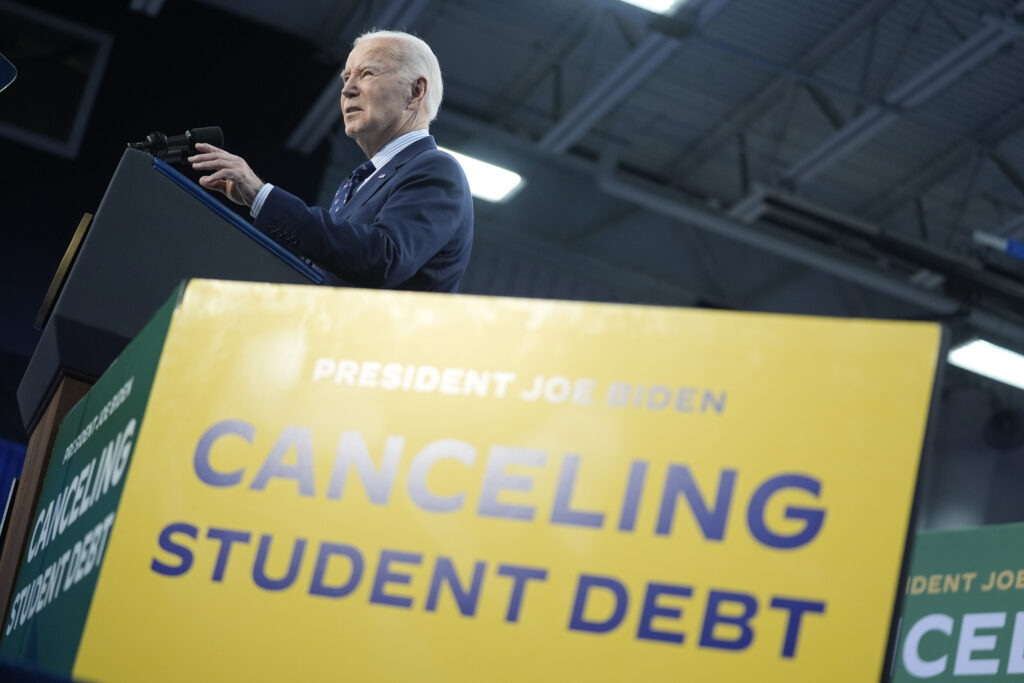
Wyatt is one of 8,400 adults aged 62 or older in Hawaiʻi who owe roughly $440 million in federal student loans, according to the U.S. Department of Education. These seniors make up around 7% of Hawaiʻi’s 123,000 borrowers, whose total student loan debt reaches to more than $4.7 billion.
Kūpuna in jeopardy of defaulting now face the additional threat of having their Social Security checks garnished. Earlier this month, the U.S. Department of Education resumed “involuntary collections” and may withhold some Social Security benefits from older adults who have fallen behind on their loan payments.

That can create challenges for older adults already living on a fixed income and struggling with Hawaiʻi’s high cost of living, said Kayla Keehu-Alexander, vice president of community impact at Aloha United Way. More than a third of the state’s kūpuna have monthly budgets below what’s needed to cover basic necessities like food, transportation and health care.
For older borrowers who have defaulted on their loans, the federal government can take up to 15% of their monthly Social Security checks, although recipients must be left with at least $750 in monthly benefits.
While the average Social Security check is less than $2,000 a month, these benefits are a much-needed source of stable income that should “be there for them in its entirety,” Keehu-Alexander said, adding “that is what they have earned and what they’re owed.”
Nationally, student loan debt among older people has grown at a staggering rate, in part due to rising tuitions that have forced more people to borrow greater sums. People 60 and older hold an estimated $125 billion in student loans, according to the National Consumer Law Center, a six-fold increase from 20 years ago.
That has led Social Security beneficiaries who have had their payments garnished to balloon by 3,000% — from approximately 6,200 beneficiaries to 192,300 — between 2001 and 2019, according to the Consumer Financial Protection Bureau, a government agency.
This year, an estimated 452,000 people aged 62 and older had student loans in default and are likely to experience the Department of Education’s renewed forced collections, according to the January report from the agency.
Keali’i Lopez, state director of AARP Hawaii, estimates more than 79,000 residents in the Aloha State rely on Social Security to make up half of their incomes. When the federal government starts withholding some of this money for loan repayment, she said, it could possibly push kūpuna into poverty or homelessness.
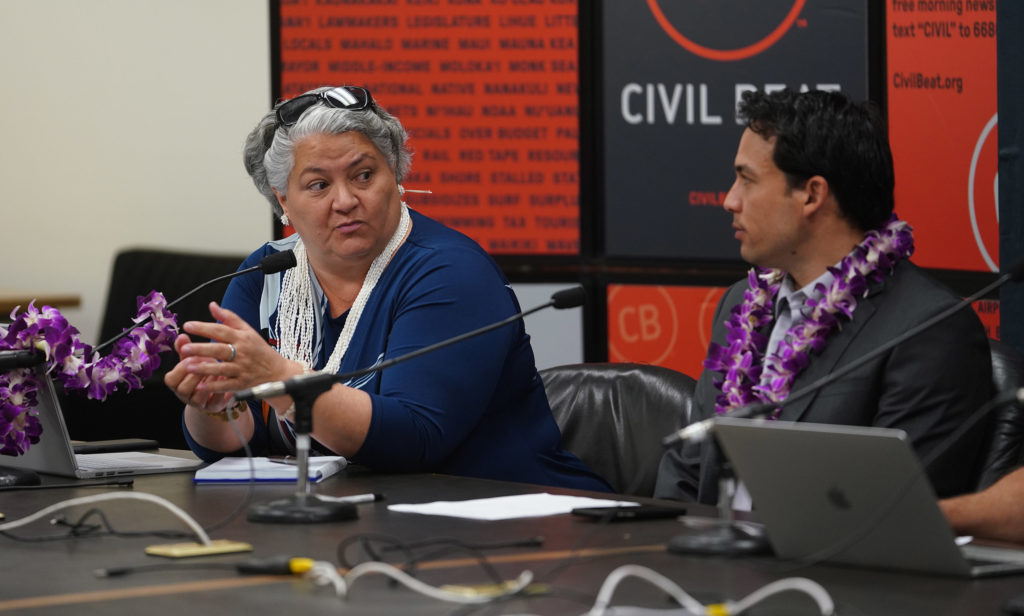
In many cases, she said, people didn’t want to stop paying their loans. Instead, Lopez said, they may have lost their jobs during the pandemic or tried to earn a degree that would increase their earnings, only to find they still weren’t making enough to pay back their debt.
“It’s not a one-size-fits-all approach,” Lopez said. There are no current estimates of how many Hawaiʻi residents have defaulted on their loans and may have their Social Security money withheld, she said.
Braxton Brewington of the Debt Collective, a national union that advocates for debt cancellation, said it’s striking how many older people dial into the organization’s calls and attend its protests. Many of them, he said, should have had their debts canceled but fell victim to a system “riddled with flaws and illegalities and flukes.” Many whose educations have left them in late-life debt have, in fact, paid back the principal on their loans, sometimes several times over, but still owe more due to interest and fees.
Brewington said garnishment is a devastating prospect.
“We hear from people who skip meals. We know people who dilute their medication or cut their pills in half. People take drastic measures like pulling all their savings out or dissolving their 401(k)s,” he said. “We know folks that have been driven into homelessness.”
Some debtors have already received notice about collections. Many more are living in fear. President Donald Trump signed an executive order calling for the Department of Education’s dismantling and, for those seeking answers about their loans, mass layoffs have complicated getting calls answered.

Continued uncertainty and struggles with loan repayments and Social Security benefits could also deter generations of younger students from taking on debt to pursue traditional college degrees, Keehu-Alexander said.
“There’s a sentiment that if you go to college and you take out a loan to pay for that, it’s an investment, and eventually you pay back the loan,” Keehu-Alexander said. “But a lot of people are seeing that hasn’t really come to fruition.”
Civil Beat’s education reporting is supported by a grant from Chamberlin Family Philanthropy and “Hawaiʻi’s Changing Economy” is supported by a grant from the Hawaiʻi Community Foundation as part of its work to build equity for all through the CHANGE Framework.”


