Maui Water Wars: A&B Drops Out Of Battle For Long-Term Water Control
A legacy plantation company is stepping away from its generations-long hold on a consequential East Maui water system.
Alexander & Baldwin, one of Hawaii’s largest commercial real estate holders, has ended its 150-year control of the infrastructure that powers one of the state’s most plentiful water sources, granting full ownership of the East Maui Irrigation Co. to a farming company owned by a Canadian pension fund.
EMI owns and operates a 75-mile-long network of aging irrigation ditches that collect water from streams across East Maui and deliver it to Central Maui. The system was designed for sugar plantations that no longer exist.
The state’s last remaining sugar grower, the A&B-owned Hawaiian Commercial & Sugar Co., shut down in Central Maui in 2018. That same year A&B sold 41,000 acres of former HC&S plantation land to Mahi Pono, which has transformed some of that land into a fruit and vegetable farm.
As part of the 2018 purchase deal, Mahi Pono acquired half-ownership in EMI. With A&B retaining a 50% ownership stake, Mahi Pono could lean on A&B’s political influence in the battle to secure a long-term water lease from the state.
That’s no longer the case.
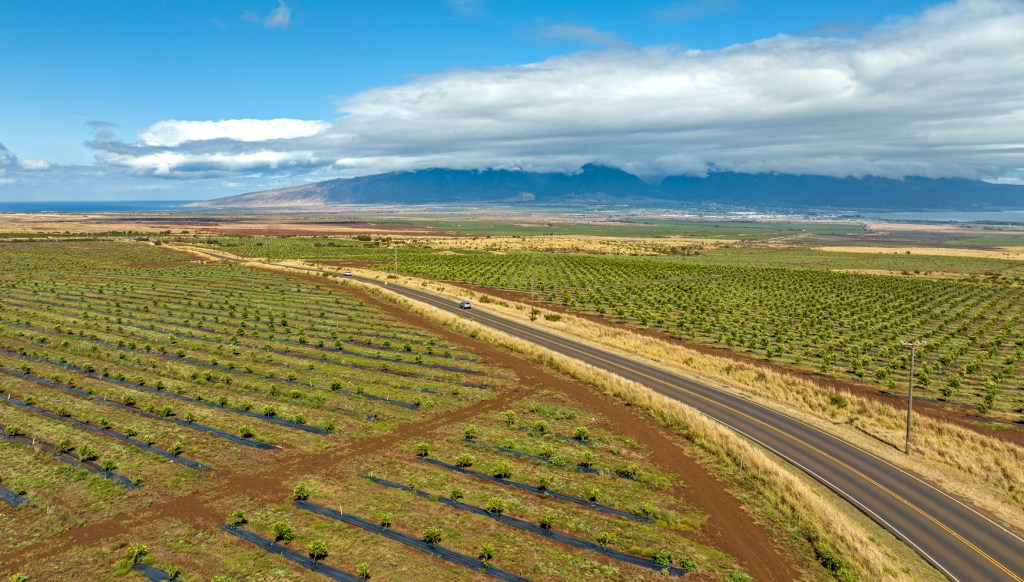
“While Mahi Pono continues focusing on agricultural operations, A&B has moved to focus on developing its core commercial real estate business,” Grant Nakama, senior vice president of operations at Mahi Pono, said in a prepared statement. “With diverging missions, the parties have agreed to proceed down separate paths.”
Mahi Pono’s opponent in the fight for a long-term water license is the East Maui Water Authority. The board, established by county voters in 2022, has assumed the monumental task of acquiring water leases for the county after generations of private control.
The Hawaiʻi Board of Land and Natural Resources is poised to consider whether the state should issue a 30-year license for up to 85 million daily gallons of water that moves through the EMI-owned system, but the timing of the hotly contested ruling, and the process that will guide it, has not yet been decided.
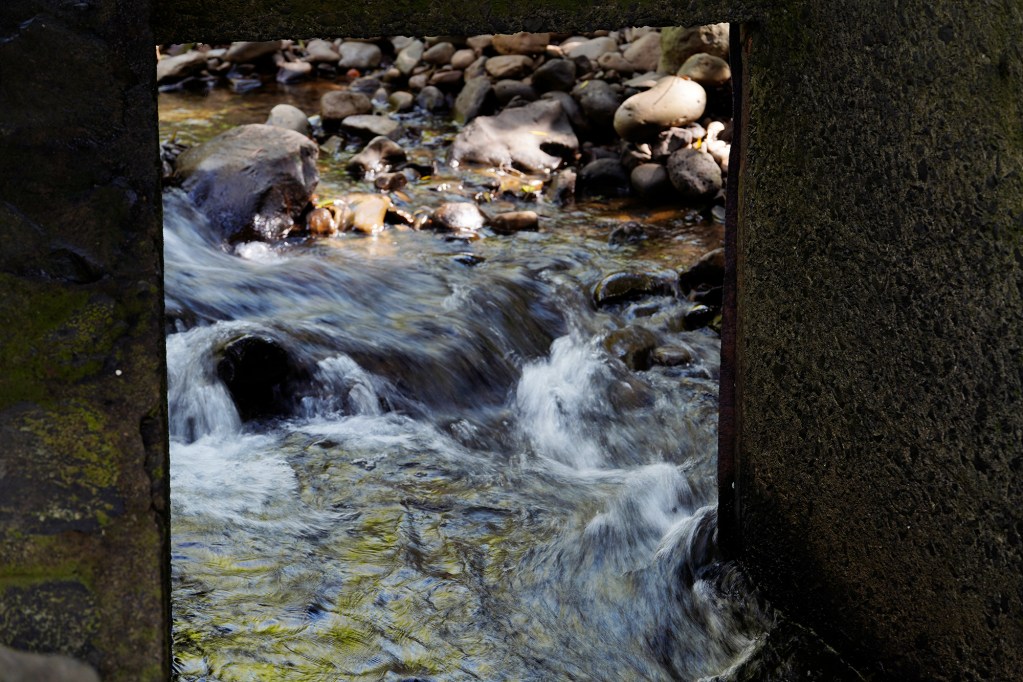
The longstanding diversion of water from East Maui streams has spurred numerous lawsuits and resentment from taro farmers, cultural practitioners and environmentalists who argue that water is a public trust resource that shouldn’t be controlled by large private entities, particularly foreign companies.
“A&B’s decision to stop their pursuit of a 30-year water license for Mahi Pono is encouraging, but I am also hearing concerns about the continued lack of community input in decision making,” East Maui Water Board Director Gina Young said in a prepared statement. “People feel that if decisions are made outside of Hawaiʻi and outside of the U.S., they will not be for our benefit.”
Mahi Pono has managed the water system owned by EMI since 2019. The withdrawal of A&B from EMI will not result in any operational, staffing or water service changes, according to Nakama. In addition to supporting Mahi Pono’s Central Maui farming venture, EMI provides water to roughly 35,000 Upcountry residents, he said.
A&B spokeswoman Andrea Galvin said the company’s decision to bow out of EMI is part of a larger effort to simplify its ventures in order to focus on growing its commercial real estate business. A&B was formerly one of the Big Five companies that helped usher Hawaii into statehood and steered the state’s politics and economy for more than a century while operating sugar and pineapple plantations.
Spokespersons for A&B and Mahi Pono both declined requests for an interview for this story.

As part of the June 17 termination agreement, A&B has agreed to pay Mahi Pono $55.3 million in installments over four years — a discount from the roughly $70 million sum that the 2018 purchase agreement would have required A&B to pay in the event that the Central Maui commercial farm failed by 2026 to acquire a long-term water license from the state.
A&B and EMI have received one-year revocable licenses since the mid-1980s to divert water via a ditch and tunnel system owned and operated by EMI. Securing a long-term lease would give the farm company a certain assurance that it will have the water it needs to invest in its agricultural plans.
The history of private entity control over the largest water source on Maui has long been a source of anxiety for East Maui farmers and other residents fighting for local control of the plantation-era system, Jonathan Scheuer, who chairs the water authority’s governing board, said.
Maui has a history of water shortage issues that have threatened the development of affordable housing projects, farms and the rebuild of Lahaina, which was almost completely wiped out by a wildfire in 2023. One problem with the water system’s corporate ownership has been a lack of transparency about major decisions that affect public access to water.
“Will things be easier now that A&B is out of the picture?” Scheuer said. “They’re a different company now, but they have not historically been a help in this process at all. So will Mahi Pono, controlled by a Canadian pension fund, be able to better respond to the community and their desires? Let’s hope so.”
Civil Beat’s coverage of Maui County is supported in part by a grant from the Nuestro Futuro Foundation.