Lawsuit Alleges Mentally Disabled Inmate Was Preyed Upon
Drake Terlep was reportedly afraid to leave his cell in the Hilo jail, and finally killed himself.
A prisoner with a mental disability who killed himself at the Hilo jail weeks before he was due to be released was abused by other inmates, and the jail never provided him with the mental health services he needed, according to a lawsuit filed last week.
A corrections officer found Drake Terlep, 55, hanging from a bedsheet from a top bunk in his cell in the Hawaiʻi Community Correctional Center at about 4:30 a.m. on Aug. 18, 2023. An autopsy report declared his death was a suicide.

Terlep had been awaiting a mental health evaluation to determine if he was mentally fit to proceed to trial on charges of first-degree theft and unauthorized control of a propelled vehicle for allegedly stealing a motorcycle.
The complaint is the latest in a series of lawsuits alleging a lack of appropriate mental health services in Hawaiʻi prisons and jails, which have seen a surge in suicides in recent years.
The lawsuit filed Thursday on behalf of Terlep’s family members alleges the mental health system in state correctional facilities “is defined by severe staffing shortages, an inadequate screening and assessment process, significant delays in access to clinicians and medications,” and a lack of treatment services.
Rosemarie Bernardo, public information officer for the Department of Corrections and Rehabilitation, said in a written statement Monday that the department has not yet been served with the lawsuit, and “generally cannot comment on any pending litigation.”
Terlep had suffered a severe head injury at age 30 when he hit a rock while diving into the ocean near Hilo, and his brother Jason said Drake was never mentally the same after the accident. Drake would wander the streets, and had a long record of nonviolent, mostly petty crimes such as trespassing.
Jason Terlep, 56, said Monday in an interview that former inmates who served jail time with Drake came forward after his death to describe how he was harassed and bullied at HCCC.
“That’s the same thing they did to him on the streets, because he’s not all there,” Jason Terlep said. “It breaks my heart.”
One corrections official told Jason that Drake stayed in his cell for two weeks before he died because he was afraid, but another corrections official denied that description of events, Jason Terlep said.
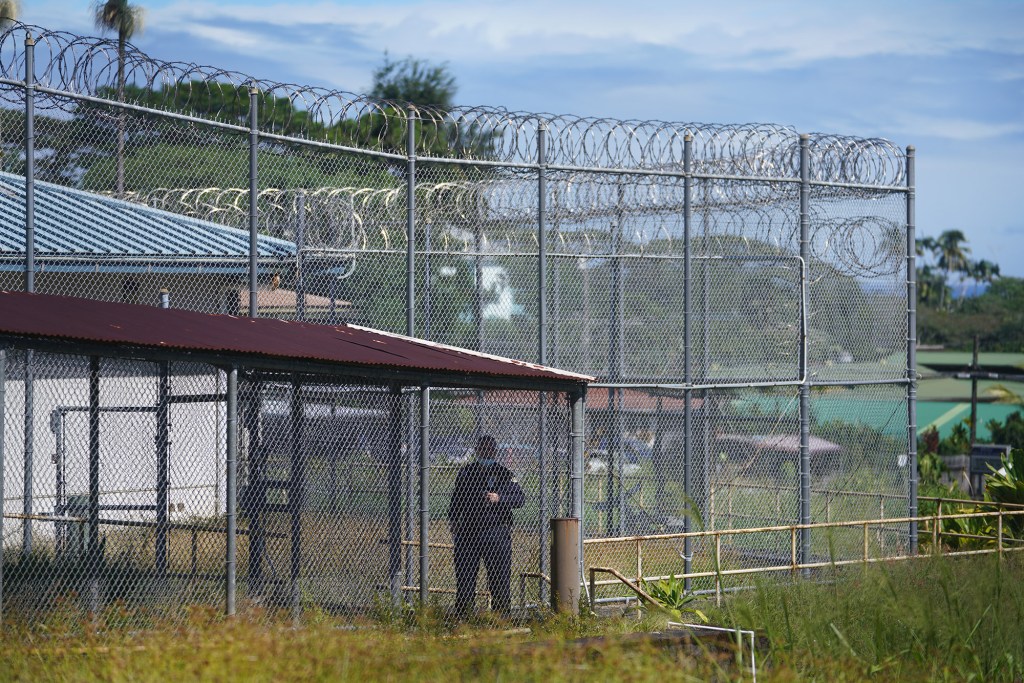
The lawsuit alleges the state Department of Corrections and Rehabilitation has “a policy and practice of failing to provide sufficient mental health care” to inmates with serious mental health needs.
The problems in the correctional mental health system including a lack of basic treatment caused inmates’ illnesses to worsen, which “increased risk of self-harm and suicide,” according to the lawsuit.
The suit, which was filed on behalf of Jason Terlep and Drake Terlep’s parents, Thomas Terlep and Norma Terlep-Panela, called the department’s system of care “wholly inadequate to meet the significant and growing mental health needs of its population.”
According to the lawsuit, Drake Terlp died six weeks before he was due to be released from jail in September. “He’s missed,” Jason Terlep said. “He’s really missed.”
Read the lawsuit below: