Aloha Stadium Contracts Are Set For Final Vote
The contracts have not been publicly released, but officials promised to publicize the documents after they’re signed by all parties.
The Aloha Stadium Authority plans to vote Wednesday on whether to approve hundreds of millions of dollars of redevelopment contracts, a big step forward in the long-stalled $400 million project to rejuvenate the surrounding area and open a new home for the University of Hawaiʻi’s football team.
The lone remaining bidder, Aloha Hālawa District Partners, a group of about a dozen organizations that include Stanford Carr Development and Hawaiian Dredging Construction Co., was chosen as the preferred offerer last fall.
Despite the project’s high profile and high cost, little is known about the agreements beyond the broad contours. The agenda for Wednesday’s special board meeting allows for testimony, but contract documents haven’t been made available to the public and much of the board’s discussion is expected to take place out of public sight during an executive session.
The contracts up for a vote include the ground lease agreement, the stadium development and operations agreement, a larger master development agreement that entails the planned surrounding neighborhood and a shared infrastructure agreement.
The contract amounts have not been disclosed, although the state has allocated $400 million for the new 25,000-seat stadium. The developers will be responsible for additional costs required to develop the surrounding area.

Board members were given access to the documents last Friday, Stadium Authority vice chair Andrew Pereira said in an interview, and he spent hours poring over them during the weekend. As of Tuesday afternoon, he just had to finish reading the stadium development agreement.
“Everything I’ve seen is living up to expectations,” he told Civil Beat, “and I’m excited that we’re on the cusp of moving forward with demolition of the old stadium, the building of a new stadium, and the fruition of an entire new community that I think we’ll all be proud of.”
Originally, the goal was to get the contracts signed by the end of June, but that got pushed to mid-August because the complexity required more time to do due diligence, Pereira said. The board has seven volunteer members and three ex officio members.
Once signed by all parties, the contracts will be considered officially executed, allowing demolition of the old stadium to start as soon as the end of August. The contracts will be available to view online by the public after they are executed, according to Pereira and Stadium Authority spokesperson Samantha Spain.
In general, Public First Law Center executive director Brian Black said, Hawaiʻi’s Sunshine Law requires that draft documents be made public when they’re given to board members. But it’s arguable whether that applies when — like in the case of the stadium contracts — those documents are under negotiation, he said.
Black said in this case the documents will likely be public soon anyway, but it would be nice if the Stadium Authority made them public before voting on them.
In addition, Black said executive session is only allowed for asking their attorneys thorny legal questions. Board members would not be allowed, for example, to make the policy decision of whether or not to approve contracts with taxpayer money.
“The Stadium Authority could have these discussions open to the public,” he said. “The Stadium Authority could require disclosure of term sheets and drafts and ask the public to weigh in. But it seems like they have chosen the path of concealing information.”
Pereira said he hasn’t been told what will be discussed during executive session, but “we would be able to ask questions about certain aspects of each agreement – each contract – and flesh those out, and make sure that everybody has a good understanding of what’s being discussed.”
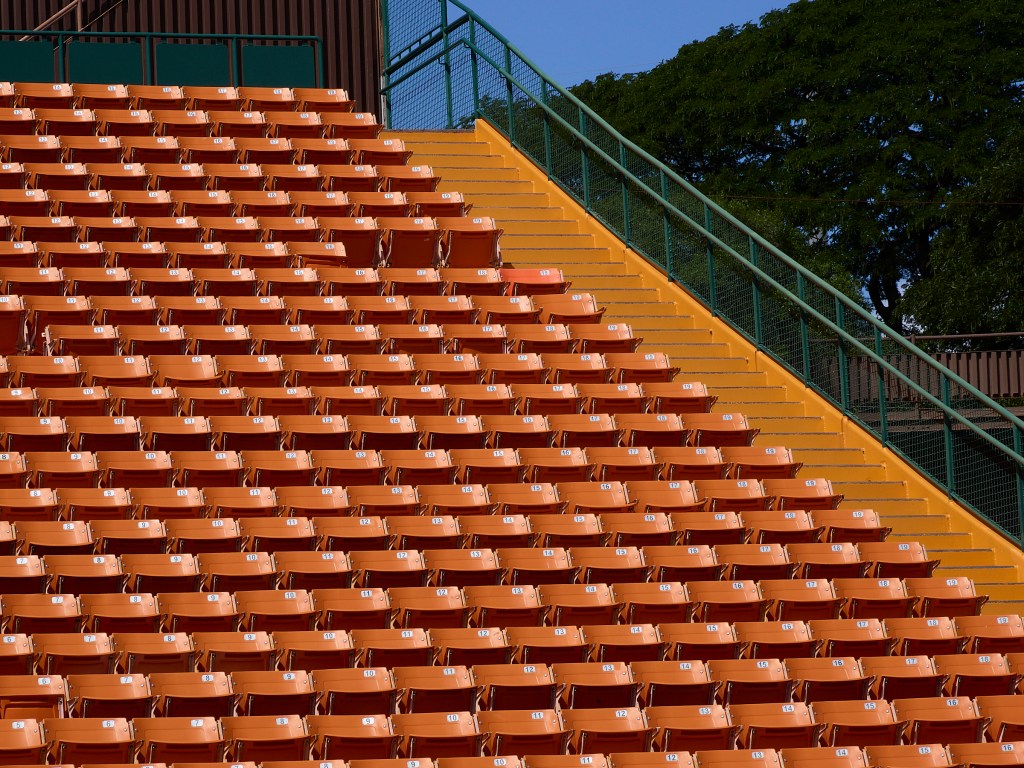
Aloha Stadium was built 50 years ago and has been closed because of structural issues since 2020. The state plans to demolish the old 50,000-seat stadium and rebuild a new one with about half the capacity, hopefully by the 2028 football season. The facility will be surrounded by a new neighborhood with over 4,000 units of housing.
The vision is a vibrant new neighborhood along the Skyline rail, which currently ends near the defunct stadium. Skyline’s second segment is scheduled to open in mid-October and will include more in-demand stops like the airport and Kalihi Transit Center.