

DHHL Delays ʻEwa Real Estate Swap To Make Sure Donation Isn’t ‘Dirty Land’
The deal would allow a developer to circumvent county zoning rules by tapping into the Hawaiian housing agency’s special powers. In return, the agency could get a revenue boost for building homes.
The Hawaiian Homes Commission unanimously voted to delay a real estate deal that would have cleared the way for a new commercial center to be developed in ʻEwa over concerns that the land could be polluted.
The commission was scheduled to take up an agreement on Monday for Kalanianaʻole Development to buy a 19-acre lot that’s mostly agricultural land, donate it to the Department of Hawaiian Home Lands, and then lease it back under a 65-year agreement that would see the private developer pay a portion of revenues to the department.
The plan is a little convoluted, but was pitched as a way to help fund the chronically underfunded department responsible for providing residential and agricultural land to Hawaiians who can prove they have at least 50% Hawaiian ancestry.
Instead, commissioners who oversee the department wanted to make sure that environmental studies on the land are completed before agreeing to accept the donation.
“I don’t want to put people on the land and 10 years later get sued for it,” Commissioner Larry Lasua said.
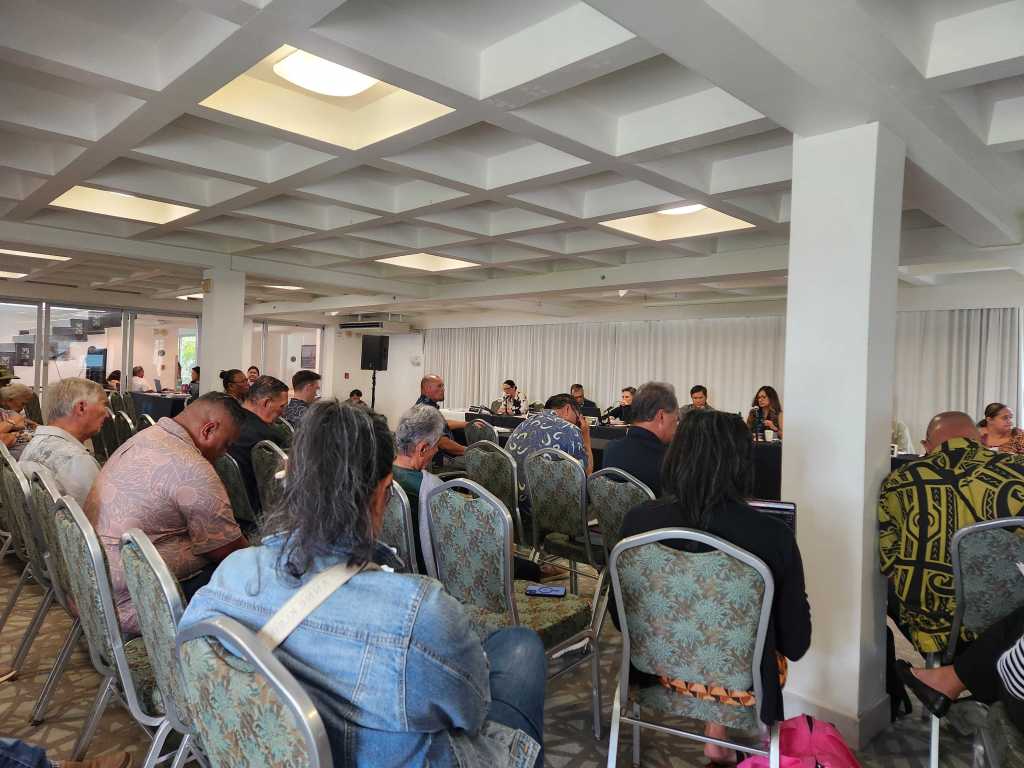
Lasua suggested deferring the project for now until more information is available from environmental studies, which one of the developers said could take about nine months at a cost of $350,000 — paid for by the developers.
Kalanianaʻole Development, run by waitlist beneficiary Patti Tancayo and developer Nan Shin, are in the process of purchasing a lot on Fort Weaver Road for about $6 million. By donating the land to the department and leasing it back, the developers can avoid what could be a long and costly county rezoning process by using the department’s power to ignore zoning rules.
Terms of the agreement would require the developers to pay market rent for the nearly 20-acre lot. The department would also assess additional sublease rent on tenants of the project, dubbed the Kuhio Gateway Center, according to project documents.
Contamination Concerns
The property in question is a 19-acre parcel on Fort Weaver Road that was once a ranch slaughterhouse and now belongs to the Roman Catholic Church.
State Sen. Kurt Fevella, who represents the area, said he used to work at the ranch decades ago and saw dumping of animal waste and fertilizer that was “never cleaned up.”
“I love your project,” Fevella said during the meeting in Hilo. “I love what you want to do … but to do it there?”
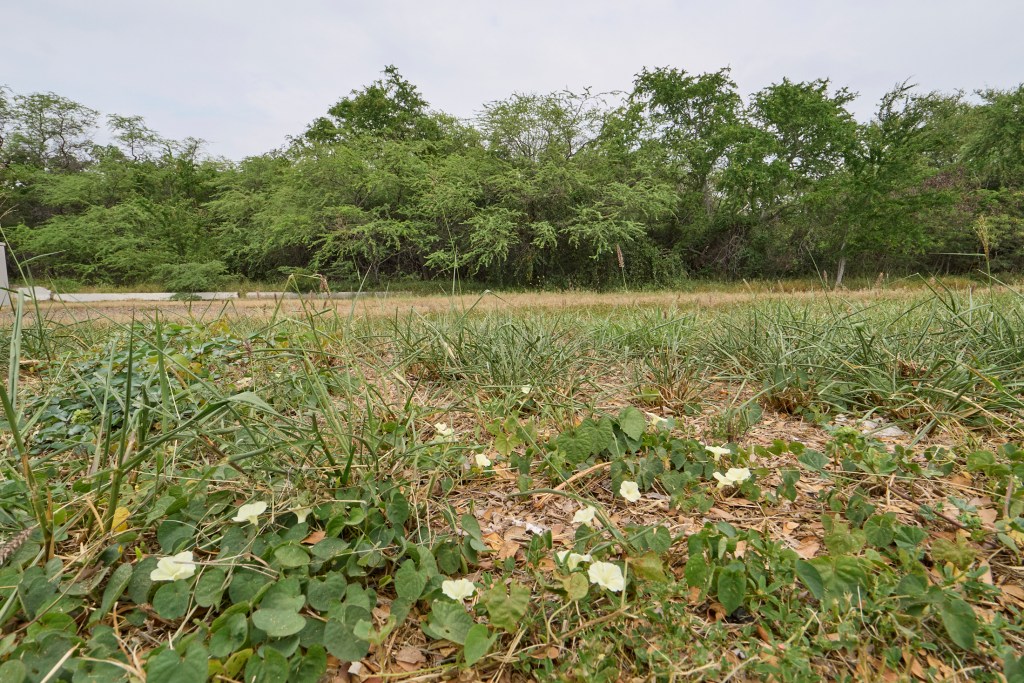
The department is responsible for overseeing a program intended to benefit Hawaiians who can prove a 50% blood quantum. Beneficiaries were also worried that the department wouldn’t get any revenues if the project doesn’t pan out because of any environmental issues that might arise.
Half-a-dozen of them flew from Oʻahu to the commission’s meeting in Hilo Monday morning to oppose the development.
“How do we know this is a good deal?” Kui Atualevao, a waitlister from Oʻahu, said.
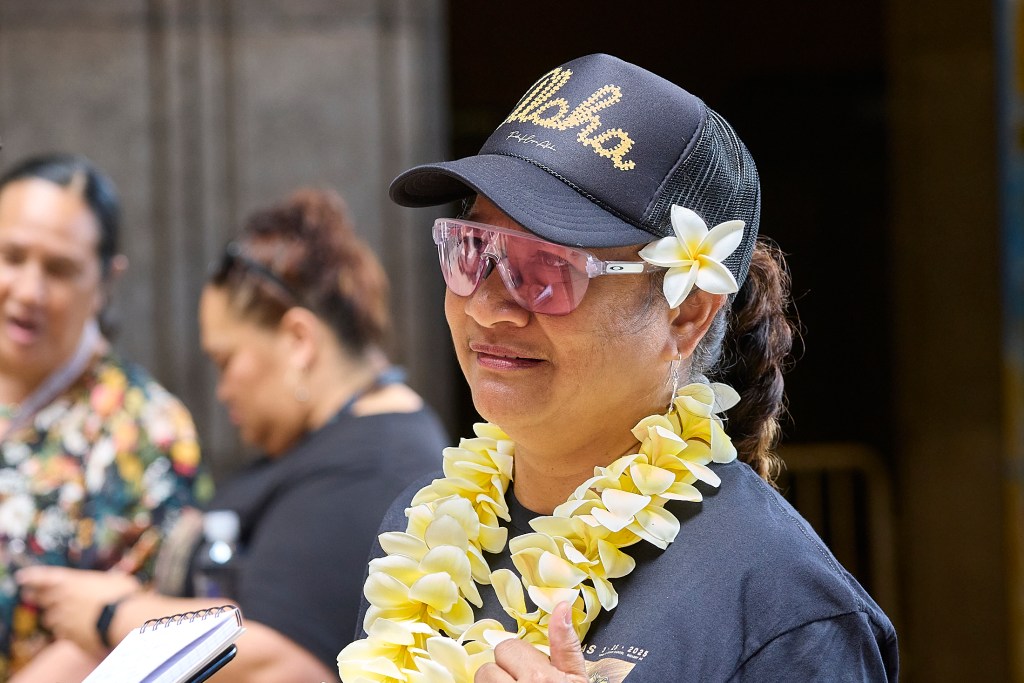
Tancayo, one of the developers who testified by videoconference, appeared visibly flustered during her testimony.
“I know a lot of you don’t understand development and I’m a little frustrated here,” she said while explaining the environmental review process the developers were undertaking.
Shaylyn Ornellas, a commissioner from Kaua‘i, questioned the process the department and the developer took to get the department to this point. She asked repeatedly at what point in the sales process the developers were in.
Christian O’Connor, Kalanianaʻole’s director of development, said the company is in escrow and is still completing its due diligence process on the property, which is expected to end in December.
O’Connor acknowledged there’s some contamination on the site, but promised that the developers would be responsible for funding the cleanup — not the state agency.
If the project isn’t doable, then the department would walk away, Russell Kaupu, DHHL’s lead land agent, said.
The risk is on Kalanianaʻole, O’Connor argued, because it would be difficult to secure financing for construction on a polluted site.
“If you guys can’t accept it, we can’t do it because banks won’t lend for building on dirty land,” O’Connor told the commission.
He said he wanted DHHL to generate revenue from its lands similar to Kamehameha Schools and pleaded with the commission to approve the agreement to give the developers some indication that the agency wanted to move forward with the project.
“We need to understand if DHHL is willing to do this,” he said.
But before signing off on the project, commissioners said they wanted to understand what they are getting into.
“We just want some clarity,” said Sanoe Marfil, a commissioner who represents Oʻahu.
Marfil said there should be a broader discussion with the community in ʻEwa so that the public can get a better understanding of the project. O’Connor also said he would put the department in direct contact with the Catholic church so state officials could obtain more information regarding the land.
The commission voted unanimously to defer entering the agreement until the environmental review process is complete. DHHL Chair Kali Watson abstained from the discussion and the vote.
Before leading the agency, Watson was Tancayo’s boss for years as the head of a nonprofit housing development firm.

