

Facing Discrimination? State Backlog May Delay Your Investigation By Years
Some Hawaiʻi Civil Rights Commission investigations have been dragging on for as long as seven years.
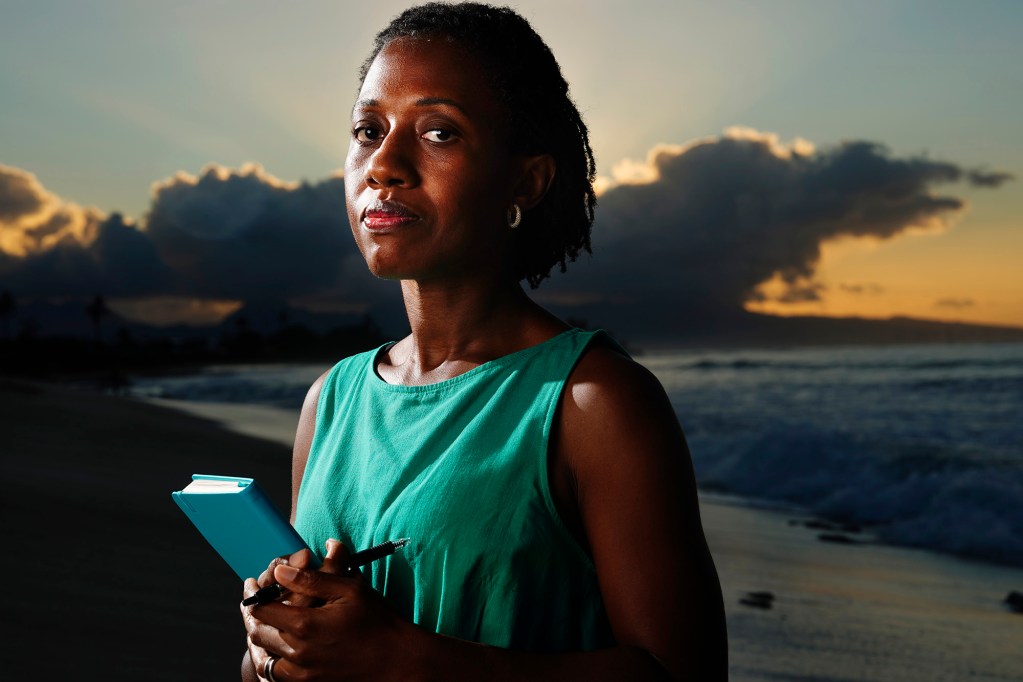
Aleeka Morgan felt good about her work at an island nonprofit until she became a mother and experienced postpartum depression. That’s when things started to go south.
Ultimately, Morgan, who is Black and from South America, was terminated amid circumstances she believes amount to racial and disability discrimination and retaliation. She filed a complaint in February of last year to that effect with the Hawaiʻi Civil Rights Commission in hopes of feeling a sense of justice.
After 18 months, the fate of her complaint remains unclear. She hasn’t been interviewed by investigators, she said, and despite following up with the commission, she hasn’t gotten an update on when her case will be resolved. Morgan’s former employer did not respond to a request for comment.
“I just want someone to authenticate this so I can move on,” Morgan said.
The Hawaiʻi Civil Rights Commission is the islands’ watchdog for complaints of discrimination in employment, housing and public accommodations, and it’s an essential first step for most people interested in filing a state civil rights lawsuit. But the agency has been grappling with a backlog amid an influx of complaints and perpetual staff vacancies.
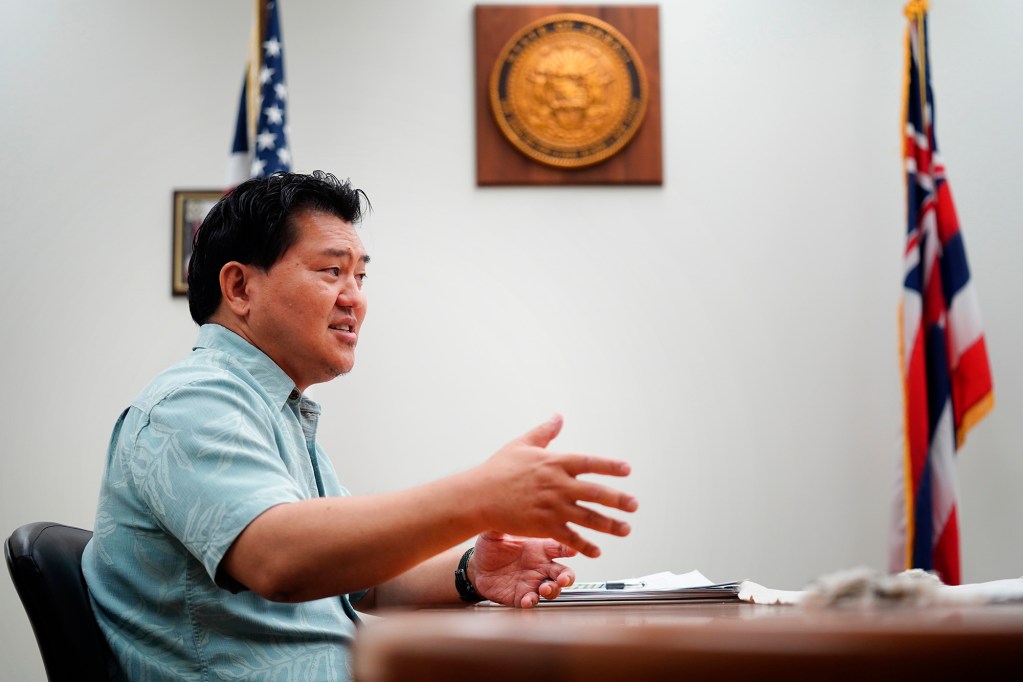
The agency cannot discuss active cases, but executive director Marcus Kawatachi said he sympathizes with anyone distressed about the wait time.
“I would tell them I’m sorry it’s taking so long. I understand this is vitally important to you,” he told Civil Beat.
Complainants who had their cases closed in 2024 had been waiting an average of two years, the commission’s latest statistics show — a record for the last decade, if not longer. By state law, civil rights investigations are only supposed to take six months, although extensions are allowed.
The Hawaiʻi Civil Rights Commission’s role as an arbiter of justice may become even more important in the islands as its federal counterpart pulls back from the work it has traditionally done.
Under the Trump administration, the U.S. Equal Employment Opportunity Commission has shed workers and said it intends to recalibrate its mission to target “illegal DEI initiatives.” The administration believes diversity, equity and inclusion programs aimed at leveling the playing field for groups of people who have historically faced discrimination are, in and of themselves, discrimination.
“That puts a heightened emphasis on the Hawaiʻi Civil Rights Commission,” said Louis Erteschik, executive director of The Hawaii Disability Rights Center. “If going to the feds is not going to be an adequate remedy, all the more reason you might want to fight these things at the state level.”
For now, Hawaiʻi’s commission is going to stay the course. The agency is doing all it can with the resources it has, Kawatachi said, and it isn’t planning to ask the Legislature for more.
“We’ve been through tough times before,” he said, “and it’s a matter of doing the best we can every day, and we’ll get better.”
Cases Can Drag On For Years
Mateo Caballero, a civil rights attorney who works in Hawaiʻi and California, said he almost never recommends a client file a complaint with the Hawaiʻi Civil Rights Commission.
“There is a saying in the law: Justice delayed is justice denied,” he said.
The commission’s 23 staffers were juggling 385 cases as of last month, agency data shows. And a considerable portion of those cases are holdovers from prior years.
Cases two years or older used to account for a minuscule amount of the agency’s time but now make up nearly 40% of its caseload. Two open cases were filed as far back as 2018. Kawatachi, who has been with the commission for more than 20 years, told Civil Beat he can’t remember the agency ever carrying this many old cases.

The commission lost two investigators during the pandemic, Kawatachi said. It might not seem like a lot, he said, but those losses amounted to 20% of the investigative staff.
Some cases are particularly challenging. Respondents may be uncooperative. There could be unusual or complex facts, a quirk in the law, or many witnesses to contact and interview.
Complainants can request what’s called a Right to Sue letter at any point in the process and take their case to court. But those who can’t afford an attorney have little choice but to wait.
Delays themselves can negatively impact a case, Caballero said. Employers or landlords who are the subject of a complaint are supposed to preserve relevant records during the investigation, but that doesn’t always happen.
“Even in the best case scenario, when all documents — emails, texts, voicemails — are kept, memories fade,” Caballero said. “And even if that person is lucky enough to find an attorney, it’s going to be an uphill battle to pursue that case in court because most people won’t remember what happened two, three, four years ago.”
Dave Fields, an advanced practice registered nurse, has a complaint pending against the Hawaiʻi State Hospital alleging racial discrimination in its hiring practices. It’s been almost a year since Fields, who also is Black, filed his complaint seeking what he called his “low-paying and highly stressful job back.”
“The commission has the power, a duty, to protect these people, and they just can’t right now,” he said. “If they’re taking forever, it’s just holding up everything for the people who need the help.”
The Department of Health, which oversees the state hospital, declined to comment on the case but spokesman Adam LeFebvre said in a statement that the agency is committed to maintaining an environment free from discrimination, retaliation or harassment.
Director: Imperfect System Can Still Make A Difference
From Caballero’s perspective, there are two possible solutions. The state could pour more money into the commission.
“Have a lot more investigation, more attorneys, a bigger budget and they’re able to give each case the resources each case deserves,” he said. “But given everything going on at the federal level and state level, that seems unlikely.”
Or, Caballero said, the state could dispense with the notion that the commission is more than a pitstop on the way to court. Currently, people have only 180 days after a discriminatory event occurs to file a complaint with the commission, with some exceptions. After the commission issues a Right to Sue letter, the complainant has 90 days to file a lawsuit.
State lawmakers could allow people to skip the administrative process and file lawsuits directly in court, Caballero said, and give them more time to do so.
“Make it so you don’t have to exhaust administrative remedies,” he said.
The commission’s executive director sees it differently.
Despite its faults, the Hawaiʻi Civil Rights Commission still offers a lot of benefits, Kawatachi said. It gives members of the public a free avenue to resolve disputes without having to hire a lawyer. Unlike public lawsuits, when a resolution can be reached in mediation, it’s kept confidential. An added bonus compared to the federal EEOC: There is no cap on potential reward money in state cases.
While delays can be frustrating, the commission has processed hundreds of cases with positive outcomes, Kawatachi said.
The agency has been working to recruit new staff and just hired two new investigators. It is also working to update what Kawatachi called its “ancient” case management system.

“I really think it is cyclical,” he said. “Things are at a high point but are turning around.”
In the meantime, complainants like Michael May will be waiting.
A frequent Oʻahu visitor, May is blind and relies on a service dog to get around. Ride-share companies like Uber and Lyft have given him independence to get around during his vacations, but he’s taken them to task following numerous incidents in which drivers saw his dog and canceled his ride. Both Uber and Lyft have said their companies have anti-discrimination policies.
“It’s not fun to be discriminated against,” May said, “and sometimes it makes you late for appointments or flights.”
May filed a Hawaiʻi Civil Rights Commission complaint last fall, got an acknowledgement that it’s being processed, then nothing. The U.S. Department of Justice also reportedly opened an investigation into discrimination by ride-share drivers related to service dogs but hasn’t announced any enforcement action.
Hawaiʻi’s silence on May’s case so far “fits into the whole big picture of no action,” he said. In the meantime, May will be returning to Hawaiʻi later this year and, based on past experience, expects about one in five of his requested drivers to reject him.
“Nothing really changes,” he said.

