

Honolulu Immigrant Tracked Via Money Transfers Sentenced, Turned Over To ICE
The Mexican citizen had pleaded guilty and was convicted of illegally reentering the United States.
In a hearing marked with tears and heartfelt testimonials, a Honolulu man federal immigration agents tracked down through cash he sent via MoneyGram to Mexico was sentenced Tuesday to the lightest possible term for illegally reentering the United States 17 years ago.
That will not change the course of events that is to follow, however, because Gregorio Cordova Murrieta is to remain behind bars while he awaits a likely deportation.
U.S. District Court Judge Micah Smith sentenced Cordova, who pleaded guilty in August to illegal re-entry, to time served — the 76 days he has already spent at the Federal Detention Center on Elliott Street in Honolulu.
Smith said that all the factors he considered, from Cordova’s motivation for unlawfully crossing the border to his stellar conduct in the community, “overwhelmingly weigh in favor of time served.” The maximum sentence he could have faced was two years in prison, and a fine of as much as $250,000.
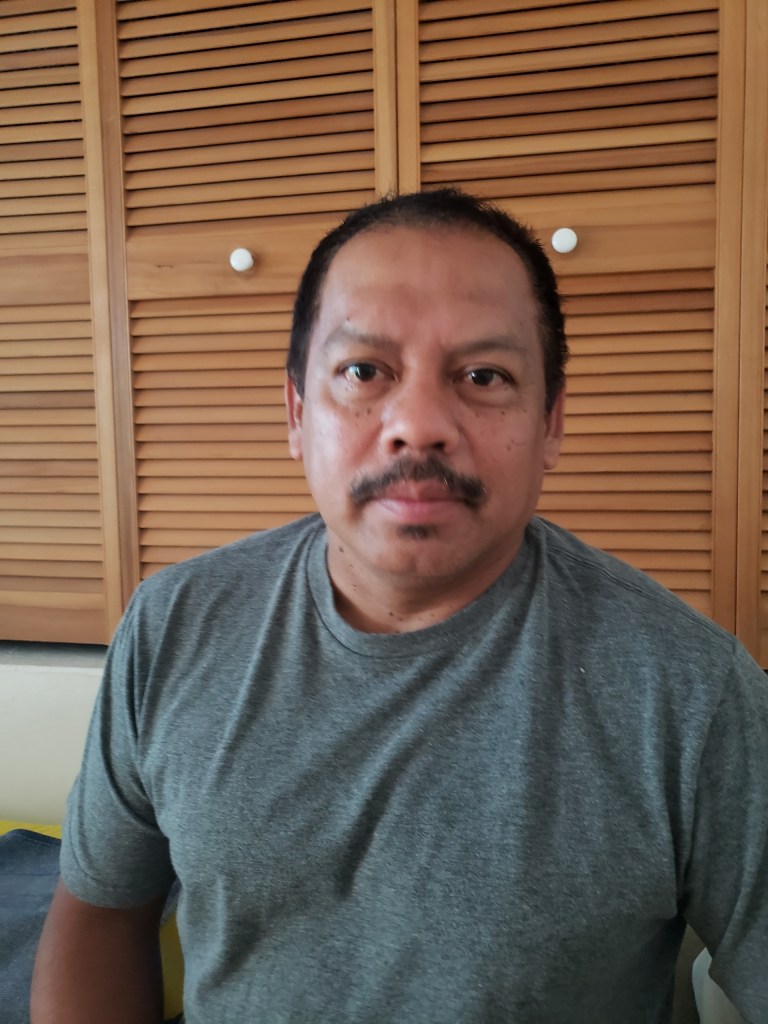
Cordova — who was not charged with any other crime and Smith noted has no past criminal record — was to be placed directly into the custody of the federal Immigration and Customs Enforcement agency, or ICE.
On Tuesday, the judge spent several minutes reading aloud portions of letters submitted to the court in support of Cordova.
From a U.S. soldier grievously wounded in combat in Iraq whom Cordova helped to recover enough to play soccer again. From another wounded combat veteran who said Cordova had been “instrumental in my mental wellbeing.” From his fiancée’s children, who called him a “source of joy, companionship, and stability” for their mother and “an example of resilience.” From clients in his tile setting and countertop business who called his workmanship “first class” and described him as a “benefit to our economy who filled a need for honest and trustworthy workers.”
Letter after letter, Smith said, “showed that you have made a very significant impact on others who lived here.”
In the Aha Kaulike courtroom, or Place of Equity, the judge gave Cordova the opportunity to speak before being sentenced. He asked for forgiveness from Hawaiʻi’s governor, the judge and prosecutors for illegally entering the state and country.
He then turned to about a dozen family and friends. They were crying and so was he.
“I’d like to thank all my family,” he said through an interpreter, “and ask their forgiveness for putting them through this.”
Traced Through Transfers
Agents with Homeland Security Investigations, a division of ICE, traced Cordova’s whereabouts through records of his money transfer transactions, according to the criminal complaint they filed in the case. Experts said it was the first time they were aware of those kinds of records being used to investigate cases related to solely immigration-related offenses.
They said the government’s access to the records most likely came through a database maintained by the nonprofit Transaction Record Analysis Center, or TRAC, to which companies such as Western Union and MoneyGram have submitted transaction data since at least 2014. It was first set up to help investigators track money laundering, drug trafficking and other such crimes.
TRAC was established following a 2010 settlement between the Arizona Attorney General’s Office and Western Union, which was required to send information about transfers over $500 — including details that identify the sender — to the nonprofit.
“He is going to be definitely handed to ICE to deport him almost immediately,”
Neribel Chardon, Senior Staff Attorney, The Legal Clinic
Immigration attorneys said Cordova’s ability to seek asylum or take any other measures to try to persuade authorities to allow him to stay in the country where he has lived for approximately 17 years, is extremely limited.
“He is going to be definitely handed to ICE to deport him almost immediately,” said Neribel Chardon, senior staff attorney at The Legal Clinic, a nonprofit that represents immigrants. “That is what’s going to happen.”
The only hitch, Chardon said, is if Cordova does not have a current passport or travel documents, in which case ICE would work with the Mexican government to obtain them before sending him back.
Cordova’s fiancée, Grace Perez Parra of ʻAiea, said that at this point he just wants to go see his parents and children, who live in a rural region of Puebla state. They were the ones he was helping support with proceeds from his work on Oʻahu.
She said Cordova, in their most recent telephone conversation, said: “Mama, I just want people to know I’m not a criminal.”
Parra said she is going to try and contact an immigration attorney to see whether Cordova could be allowed to return to the United States at some point.
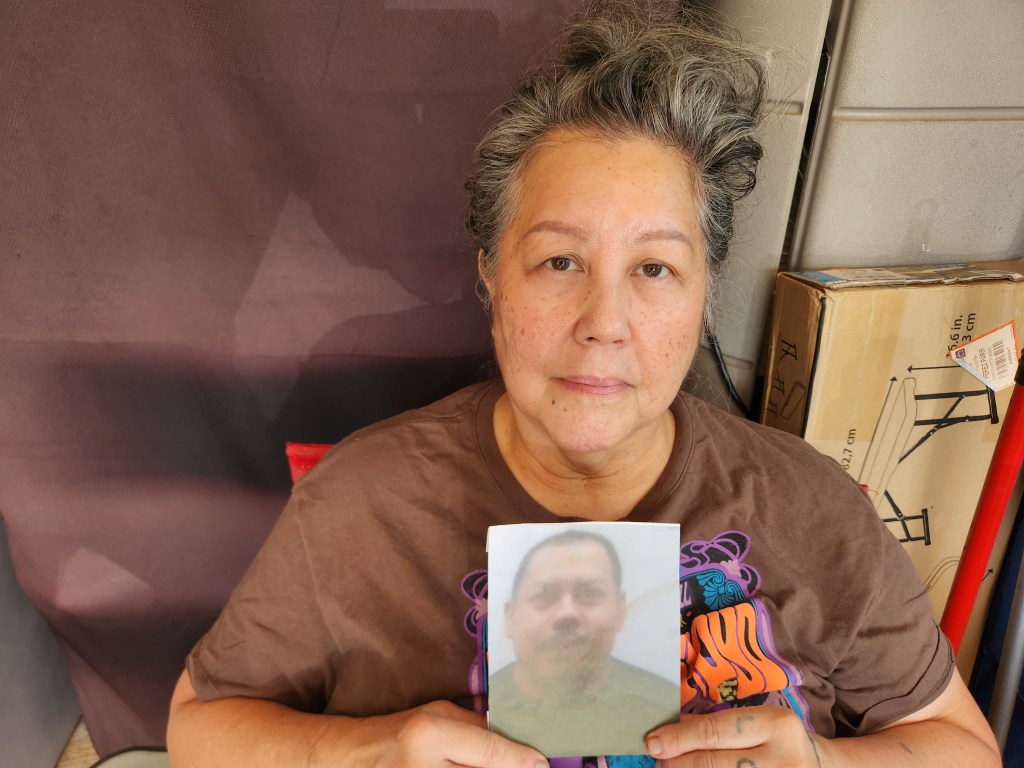
“If I can, I’m going to try, but if not, then I’ll just go there,” she said. “It’s sad, you know, but I can’t do anything about it, right? You just got to go with the law.”
Having the illegal reentry conviction on his record is almost certainly “a permanent bar” to Cordova ever being granted legal permission to return, Chardon said.
According to court documents, Cordova, now 48, had been detained at the U.S.-Mexican border in 2004 and sent back to Mexico. Then, within the space of a few days in 2008, he was detained and sent back twice more.
Federal investigators who located him in Honolulu through details collected in the MoneyGram transactions staked out his house and used an anonymous source to confirm his identity. Shortly after dawn on June 26, they banged on his and Parra’s front door and arrested him.
Cordova originally pleaded not guilty to the charge of illegal reentry but changed his plea to guilty in August because, Parra said, he just wanted to see his family in Mexico again.

