

Judge To Decide Fate Of CEO Accused Of Illegal Campaign Donations
Defense attorneys raised a handful of issues with the case, including that the grand jury was misled.
A state judge says she’ll decide within 30 days whether the case of a Hawaiʻi businessman accused of funneling money through subordinates should proceed or be dismissed.
Prosecutors allege that JL Capital CEO Tim Lee reimbursed employees for donations they made to the mayoral campaigns of Keith Amemiya and Kym Pine in 2020. State law prohibits political donations in the name of anyone other than the source of the money.
But Lee’s defense attorneys argued that those “purported” reimbursements in this case don’t fall under that law because the source of the donations originated with the employees, not with Lee. They asked the court to dismiss the case on Wednesday.
“The inquiry ends there,” Tommy Otake, one of Lee’s lawyers said during the hearing Wednesday. “It’s unambiguous. The law doesn’t cover reimbursements.”
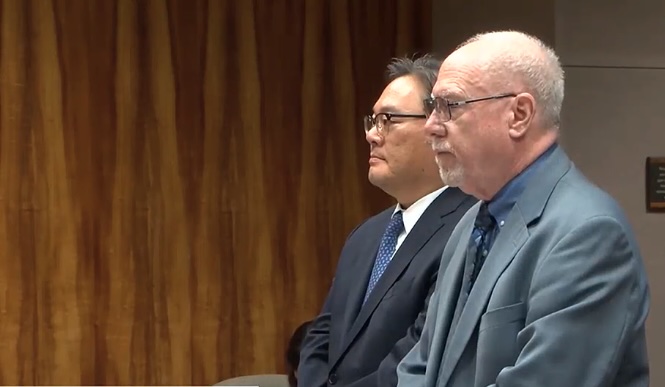
First Circuit Judge Clarissa Malinao said she would make a ruling on the motion to dismiss within 30 days and asked Lee’s attorneys as well as the state prosecutor to make additional filings with the court before then.
Lee’s attorneys declined to comment on the case while Malinao deliberates. Deputy Attorney General Thomas Michener, who represents the state, also declined to comment.
Lee faces nine counts of false name contributions, each carrying a maximum penalty of up to five years in prison.
Other issues raised by Lee’s defense attorneys centered around whether prosecutors should have pursued felony charges when misdemeanor charges were also a possibility. The Hawaiʻi Supreme Court in 1977 ruled that prosecutors should pursue the lower charge.
At the end of the grand jury proceedings in February, at least some of the grand jurors appeared confused about the false names law. Otake argued that the grand jurors were given inappropriate advice by their counsel before indicting Lee.
The case stems from an investigation by the state Campaign Spending Commission three years ago that found JL Capital employees who made donations to Amemiya and Pine’s campaigns cashed checks weeks later with funds from Lee’s personal bank account.
A former employee and a JL Capital contractor testified to feeling pressured to make donations to maintain a good relationship with Lee. The contractor also admitted during grand jury proceedings to padding an invoice to receive reimbursement for a $1,000 donation to Amemiya’s campaign.
“Asking someone to make a donation is not criminal at all,” Otake said.
Defense attorneys argued that the law governing false name contributions does not expressly prohibit reimbursements, as prosecutors allege in this case.
“From a policy standpoint, I get it, but that’s a beef for the Legislature,” Otake said.
Michener said cases like these are about transparency, and ensuring that the public can see who makes donations to political campaigns.
“Otherwise, we’d be awash in money and wouldn’t know where it’s coming from,” he said.
Prosecutions in campaign spending cases like this are rare in Hawaiʻi. One other case against former Mitsunaga & Associates secretary Teri Ann Otani is proceeding in state court.

