Surge In Inmate Suicides Take Toll On Hawaiʻi Taxpayers, Too
Six legal claims are pending over people who killed themselves behind bars, with more to come.
There is a price to be paid for suicides in Hawaiʻi prisons and jails, and state taxpayers are on the hook.
Six cases active in state court are connected to inmate suicides at state-run jails and prisons, and lawyers who represent families of deceased inmates say at least two additional lawsuits over suspected suicides are in the works.
The state has already paid out nearly $2 million to resolve similar lawsuits in recent years, and a scathing new report on mental health care in the Hawaiʻi correctional system suggests the state is at risk for more losses.
That report by Jeffrey Metzner and Bhushan Agharkar, nationally known experts on correctional mental health care, underscores the failure of the Hawaiʻi system to care for mentally ill inmates and prevent suicides.
The six active cases involve these people:

Jessica Fortson
- Women’s Community Correctional Center inmate
- Died July 11, 2017
- Lawsuit filed June 17, 2019
(Photo: Screenshot / mililanimemorial.com)
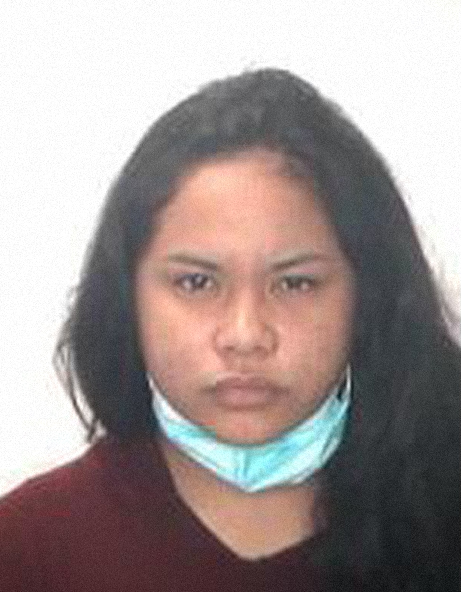
Diamond Simeona-Agoo
- Oʻahu Community Correctional Center inmate
- Died June 20, 2022
- Claim pending
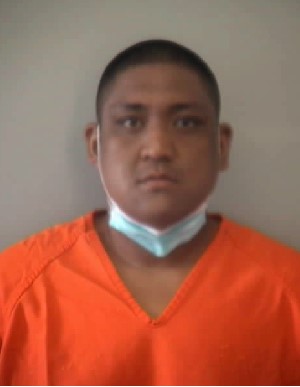
Brandon Tapec
- Maui Community Correctional Center inmate
- Died Dec. 27, 2021
- Lawsuit filed Dec. 27, 2023

Jimuel Gatioan
- Oʻahu Community Correctional Center inmate
- Died April 3, 2023
- Lawsuit filed Nov. 26, 2024

Drake Terlep
- Hawaii Community Correctional Center inmate
- Died Aug. 18, 2023
- Lawsuit filed July 17, 2025
(Photo: Courtesy Jason Terlep)

Artrina De Lima
- Maui Community Correctional Center inmate
- Died May 19, 2024
- Lawsuit filed June 2, 2025
“The report is so devastating, and is such an indictment of the state’s failure to provide these services,” Honolulu lawyer Myles Breiner said. His firm has already filed suit over two suicides in state correctional facilities, and plans to pursue legal claims in two others.
Metzner and Agharkar raised an array of concerns in their report, ranging from staffing shortages at Oʻahu Community Correctional Center and Hālawa Correctional Facility to mental health care being provided by unlicensed clinicians without adequate supervision.
“What’s happening is these facilities, which have confirmed that they are lacking the employees and the manpower to care for mentally ill individuals, are still taking custody of mentally ill individuals,” said Sean Fitzsimmons, a lawyer with Breiner’s firm.
Up To 13 Suicides Since 2022
Recent years have seen an alarming surge in suicides in state correctional facilities, with 12 confirmed and at least one other suspected since the start of 2022.
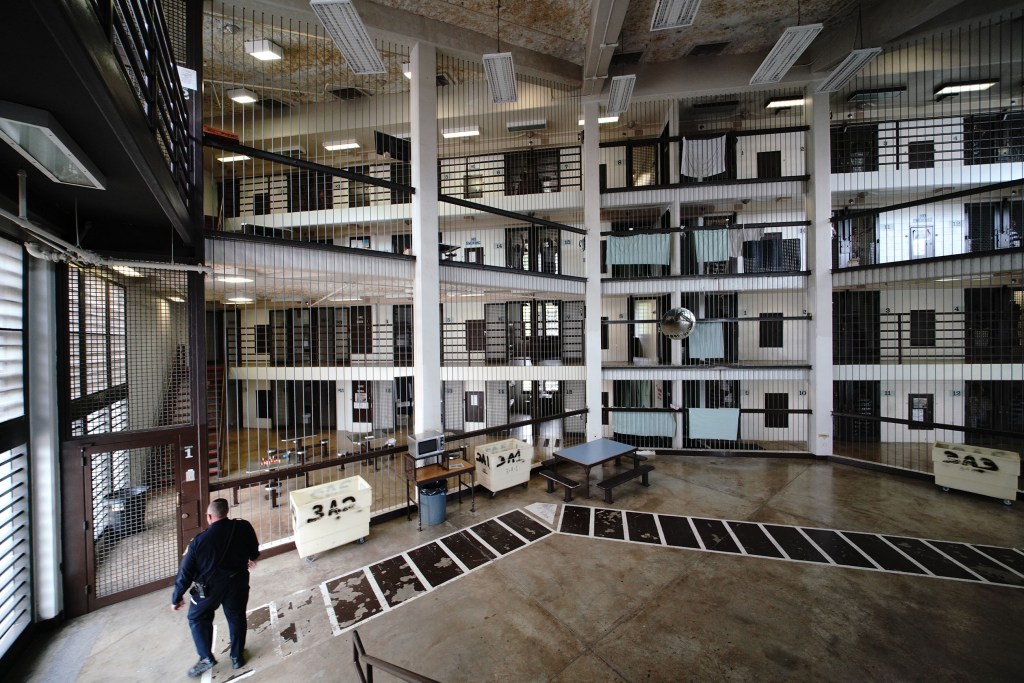
Hālawa prison, the state’s largest with about 850 inmates, has been particularly hard hit, seeing five confirmed suicides and one suspected in the past 14 months.
By comparison, the overall death rate from suicides among all of Hawaiʻi’s nearly 3,800 prisoners averaged less than 2.6 per year from 2007 to 2023, according to data provided by the state Department of Corrections and Rehabilitation.
Honolulu lawyer Eric Seitz, who filed the class-action lawsuit that prompted the report by Metzner and Agharkar, is pursuing lawsuits over the deaths of Jessica Fortson and Diamond Simeona-Agoo.
“There are going to be more suicides, there are going to be more suicide cases, if this overall situation is not addressed,” Seitz said, “because the situation facing people in prison is horrendous.”
Lawsuits over suicides have already proved to be costly for the state.
The estate of 28-year-old Joseph O’Malley was awarded $1.375 million in 2022 after O’Malley hung himself in an observation room in the medical unit of Hālawa prison in 2017. The state also agreed to pay $550,000 to the estate of inmate Daisy Kasitati in 2022 after she committed suicide at Maui Community Correctional Center.
‘We Have To Do All We Can’
Tommy Johnson, director of the state Department of Corrections and Rehabilitation, last week estimated it may cost $4 million to $8 million a year to hire the additional professional staff needed in state prisons and jails, including psychiatrists, psychologists, psychiatric social workers and case managers.
Johnson said he plans to ask Gov. Josh Green to include money for that effort in his next budget submittal, and also said he supports pay increases for corrections officers to help attract more applications for those jobs and reduce the number of vacancies.
As for the suicides and the lawsuits that follow, Johnson said “any death in a correctional setting —particularly a suicide — is tragic, and we have to do all we can to prevent those types of incidents from occurring.”
He also said there are some people in state prisons and jails “who clearly should not be in our custody. They should be in an appropriate therapeutic setting, and not a jail setting that tends to be predatory.”
“What some people don’t understand is the people who come to us are broken in some way,” Johnson said. “Everyone has issues, and we prevent more suicides than are actually successful.”
Metzner and Agharkar concluded that many prison and jail inmates belong in mental hospitals, but there is no room for them in the overcrowded Hawaiʻi State Hospital, Seitz said. The entire mental health system in Hawaiʻi needs to be overhauled, he said.
Breiner said mental health care in Hawaiʻi prisons and jails has been a concern for the past 20 years, when OCCC was placed under a federal court consent decree to force the state to provide better care.
One of the cases his firm is handling alleges multiple people told corrections officials in 2023 that Jimuel Gatioan, 49, was threatening suicide, but he was never placed on suicide watch. Gatioan killed himself.
“The simple math doesn’t work for the state,” Breiner said. “By ignoring this problem, they end up paying more.”