Use It Or Lose It? Kauaʻi Wants Robinson Resort Land Back To Agriculture
Developers have failed to start construction on the 250-room project for the past two decades.
Kauaʻi’s largest private landowner first set out to build a resort on the island’s rural Westside more than 20 years ago, and the county gave the storied Robinson family the green light it needed to proceed.
Permits were approved, zoning designations were changed and supporters touted how the project would help diversify the local economy amid the looming collapse of the sugar industry. The Gay & Robinson plantation had served as a primary source of employment in West Kaua‘i for more than a century.
But the plan to convert the old Robinson family mansion into a 250-room plantation-style inn on the 170-acre Kapalawai site hit a series of stumbling blocks and never materialized. New Dubai-based developers are still trying to make it happen, but now the county is reversing course.
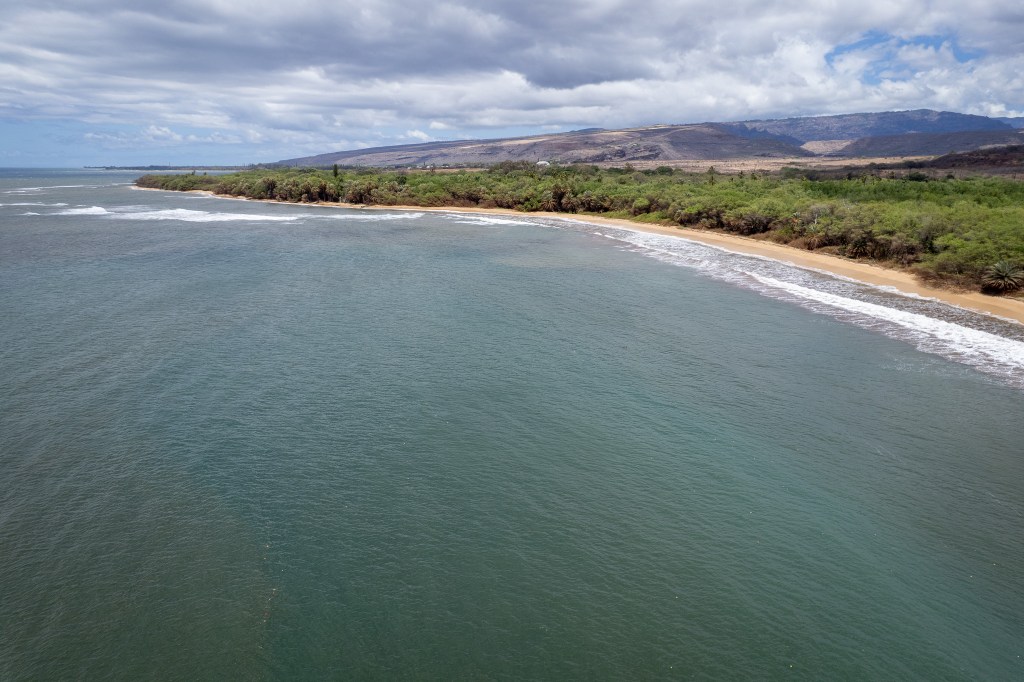
Kauaʻi County Planning Director Kaʻāina Hull has moved to strip the development of key permits and revert the project site’s resort zoning designation back to its agricultural origins.
In a pair of 400-page petitions sent last month to the county Planning Commission, Hull argues that the Robinson family has sat on the project for far too long, allowing critical project entitlements to expire. He also points to residents’ waning appetite for resort expansion over concerns about the toll of too much tourism. Hull declined to comment for this story.
Former state senator and Kauaʻi council member Gary Hooser said it comes down to use it or lose it.
“Changing the zoning gives tremendous value to landowners, but it’s supposed to be for the public benefit,” Hooser said. “With the stroke of a pen, when the county changes the zoning to resort from agriculture, the value of the land goes up dramatically. The county decided to give them a gift, an economic development gift, and they were supposed to give us back jobs and increase tax revenue, and they didn’t do that.”

To date, no construction has materialized on the 170-acre Kapalawai project site in the heart of the Robinson family’s 55,000 acres of Kauaʻi landholdings. The family also owns the entire 45,000-acre island of Niʻihau, which their ancestors purchased from King Kamehameha V for $10,000 in the mid-1800s.
Kauaʻi Planning Commission Chairman Francis DeGracia said Thursday he had not yet seen the petitions. A public hearing has not been scheduled.

Gay & Robinson Vice President Howard Greene declined to comment for this story. No one from Robinson Family Partners responded to requests made through Greene for comment. Kerzner International, the luxury resort and home developer that the Robinson family signed onto the project last year, did not respond to email requests for comment.
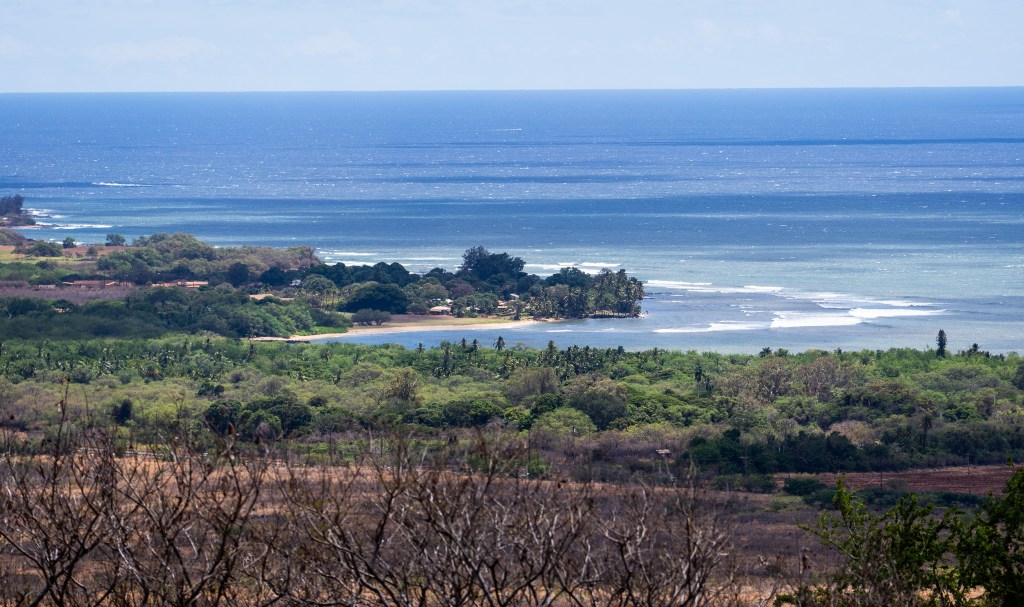
Kauaʻi is known for its vast farm and ranch lands, wilderness areas and open spaces. Perhaps no one has helped preserve that more than the Robinson family, the island’s second-largest landowner behind the state. The family’s land, which includes seven miles of undeveloped Kauaʻi coastline, is mostly zoned for agriculture.
The resort project site includes the family’s 1897 compound, with a 17,000-square-foot mansion as the showcase. A history museum, restaurants, a spa, three swimming pools and an ancient Hawaiian fishpond are included in the planned development, which would serve the dual purpose of restoring the old estate filled with historical artifacts dating to the Hawaiian monarchy.
The resort is viewed by the family as a crucial means to stay in business following the collapse of sugar. A more recent exodus of the genetically modified seed industry that had briefly filled the void after the family’s last sugar harvest in 2009 has left the Robinsons searching again for new revenue streams.

It hasn’t been easy.
Opposition from within the family nearly killed the development from the outset since operating a full-scale resort implied a break in a strict tradition of the Sabbath day of rest for Gay & Robinson employees.
After securing some of the key permits, the project stalled out when money got tight in the build-up to the 2008 economic crisis. A second developer poured a million dollars into the project but died before pouring any foundations.
The property shoreline, disputed by a West Kauaʻi resident who challenged the state’s assessment of the high wash of the waves, has forced the family to consider a significant resort redesign.
The fenced-off project site is near a prized West Kauaʻi surf break, drawing angst from some longtime residents who fear an influx of crowds to a stretch of coast not typically sought after by tourists.
Ernest DeSilva, a retired hotel maintenance worker and avid surfer from Kalāheo, said he understands the Robinson family’s desire to establish a new revenue stream but questioned the viability of a resort on a stretch of coast without the wow-factor of Poʻipū or Hanalei.
“I remember when they first got approval and my first thought was, ‘I wonder how much demand for a brown water beach there’s going to be,’” he said, “because it’s not the prettiest beach.”
That hasn’t stopped Waimea Plantation Cottages from operating a similar resort five miles up the road. Its 59 plantation-style cottages on 43 acres fronting a black sand beach have proven a popular alternative to the more touristy South Shore.
Greg Holzman, a commercial fisherman and cycad farmer from Kekaha, said the West Kauaʻi agricultural region could use good-paying jobs in new industries. Although tourism is Kauaʻi’s economic engine, the island’s Westside has only one resort property.
“I don’t see my kids or my friends’ kids wanting to work in the hot fields,” Holzman said. “It would be another choice for the next generation.”

Agriculture is the dominant pillar of the Robinson family business. The family controls 6,000 acres of former sugarcane fields and tens of thousands of acres of cattle ranch lands.
In a newer venture into renewable energy, it has two hydroelectric plants and a proposed solar farm partnership with AES Hawaiʻi and Kauaʻi Island Utility Cooperative.
The company also owns and manages 350 former plantation homes that provide its employees and other tenants with some of the most affordable housing on Kauaʻi.
Bruce and Keith Robinson also provide housing to about 40 Hawaiian families with generational ties to Ni‘ihau, continuing a pledge to preserve the Hawaiian language and Ni‘ihau’s unique culture. The island is only accessible to Niʻihau residents and the small number of people who receive permission to travel there from the Robinson family.
The family currently does not operate any tourist accommodations.
Read the petitions from the county planning director below.