Should OHA Play A Bigger Role In Military Lease Negotiations?
Board Chair Kai Kahele plans to take up the issue at an OHA meeting on the Big Island in November.
Activists and prominent community leaders urged the Office of Hawaiian Affairs on Thursday to assert itself as the representative of the Hawaiian community in lease negotiations between the state and federal government for thousands of acres of land used for military training.
The Army leases more than 29,000 acres across Hawaiʻi that are set to expire in 2029. Gov. Josh Green is leading negotiations for the state with Army Secretary Dan Driscoll, but many who testified at an OHA Board of Trustees meeting Thursday want OHA to be part of that process. Testifiers want to see Hawaiians take on a more active role in the negotiation process.
“We cannot let other people speak for us,” said Kumu Hula Vicky Holt Takamine. “We’re hoping you will be that voice for our lāhui, to share our concerns.”
In a written statement Thursday afternoon, Green said that Native Hawaiian participation is integral to the negotiation process and that his administration is discussing convening a Native Hawaiian advisory group “that will help guide dialogue around the future of these lands.”
“This process is about partnership and respect – values at the heart of how Hawai‘i moves forward together,” the statement said.
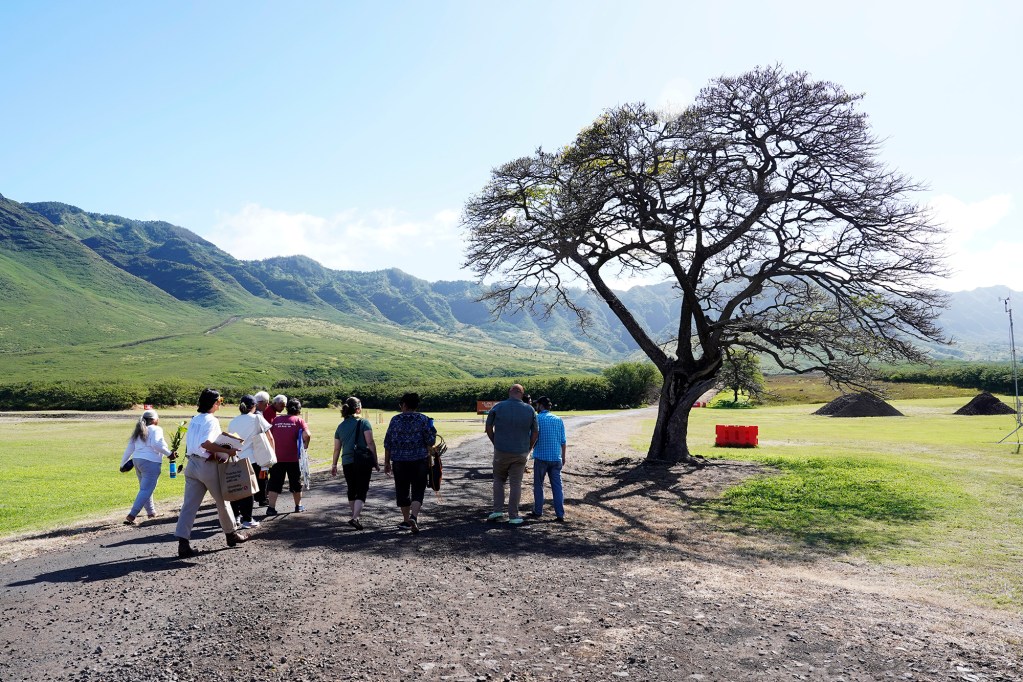
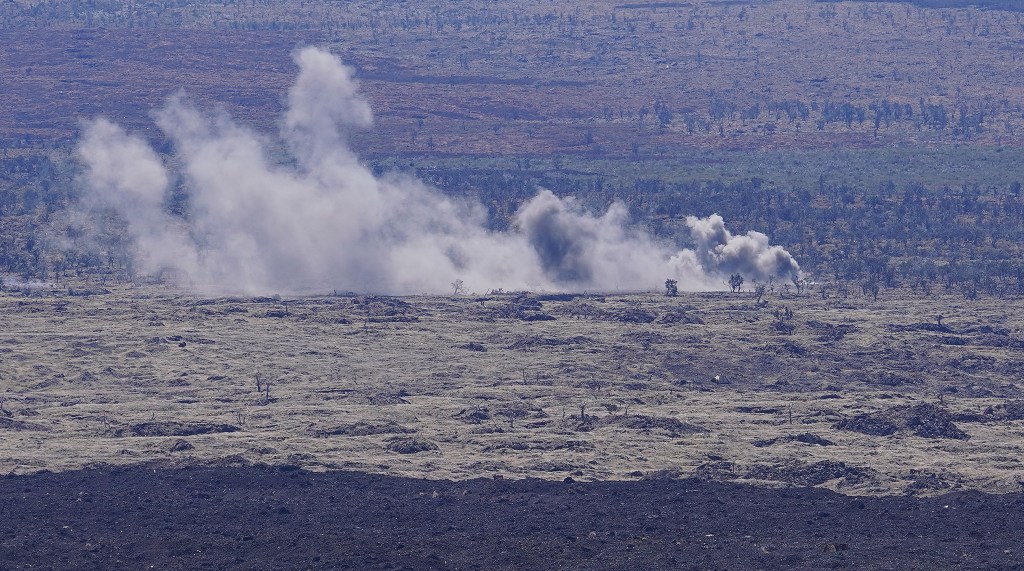
The Army currently leases some of the most prominent military training areas in the islands, including the Pōhakuloa artillery range on the Big Island and the Mākua Valley Military Reservation on Oʻahu’s Westside. Lease renewals for those areas were thrown into limbo earlier this year after the state land board rejected environmental studies that were required in the lead-up to renewals being reconsidered.
Driscoll has previously said that he would like to have a deal on the lands hammered out by the end of the year.
Last month, a group of more than three dozen Hawaiian organizations and individuals sent a letter to Green urging the governor not to move too quickly in negotiations with the Army.
The organizations called for Native Hawaiian representation in decision-making, cleanup of lands leased by the military, a transparent negotiation process with the public, and “bold compensation and/or restitution for the military’s past egregious breaches in lease terms and for the historic and ongoing impacts of militarization.”
On Sept 29, Green and Driscoll agreed on a “non-binding Statement of Principles” that overlapped with some of the points made in the letter from Hawaiian organizations.
The statement considers options to return land to Hawaiʻi, clean up unexploded ordnance, and discuss federal support of housing, infrastructure and energy.
Camille Kalama, a Native Hawaiian lawyer, said there has been a glaring absence of Hawaiian representation in the negotiation process so far. OHA must be part of that process, she told trustees Thursday, but also noted that resolving the military lease issue will take many groups and communities getting on the same page.
“It’s going to take all of us … to really come together on this issue to protect these lands for future generations,” she said. “This is just the beginning, it’s not the end at all.”
Lands leased by the Army and other military branches were formally held by the Hawaiian Kingdom and were leased by the state to the federal government for $1 starting in the 1960s. The leased lands are only part of the military’s footprint in the islands. The federal government owns about 20% of land in Hawaiʻi, including military installations like Pearl Harbor and the Pacific Missile Range Facility on Kauaʻi.
Kahoʻolawe was once controlled by the U.S. Navy and used as a bombing range.
Protests over the bombing of Kahoʻolawe were pivotal in spurring a period in the 1970s and beyond known as the Hawaiian Renaissance, a resurgence in cultural pride and education that also led to the creation of OHA. The office was created in 1978 by delegates at a state constitutional convention to advocate for Hawaiians.
Luana Busby-Neff, founding member of the group Protect Kahoʻolawe ʻOhana, which was pivotal in bringing awareness of Kahoʻolawe by leading occupations of the island, also urged OHA to take action.
“It’s not just about the military,” Busby-Neff said. “It’s about all our lands. We are under attack. We are under siege.”
Board of Trustees Chair Kai Kahele previously said that he wants OHA to take part in lease negotiations.
On Thursday, he said that he wanted the board to formally discuss and take a position on the leases at its November meeting on the Big Island.
The meeting will follow a series of community discussions hosted by OHA Nov. 3-5 in Kona, Waimea and Hilo.
Civil Beat’s coverage of climate change and the environment is supported by The Healy Foundation, the Marisla Fund of the Hawai‘i Community Foundation and the Frost Family Foundation.