

Hawaiʻi Governor Names Advisory Panel For Military Land Negotiations
OHA Chair Kai Kahale described the possibility of the federal government using eminent domain to retain state land as a “tired tactic colonizers have used for generations.”
Gov. Josh Green announced a 10-member advisory committee comprised mostly of Native Hawaiians to weigh in on land lease negotiations with the U.S. military Thursday, hours before Office of Hawaiian Affairs trustees voted to take a more aggressive approach to inserting the organization into the process.
The advisory group will gather information from around the state in an effort to work out a compromise with the Army, committee member William Aila said.
Green named OHA’s interim administrator, Summer Sylva, to the committee. However, the organization had previously asked to directly take part in negotiations and co-lead a group that would decide on the finer details of a deal.
OHA is also calling for the state to temporarily extend the military’s leases to allow more time for negotiations.
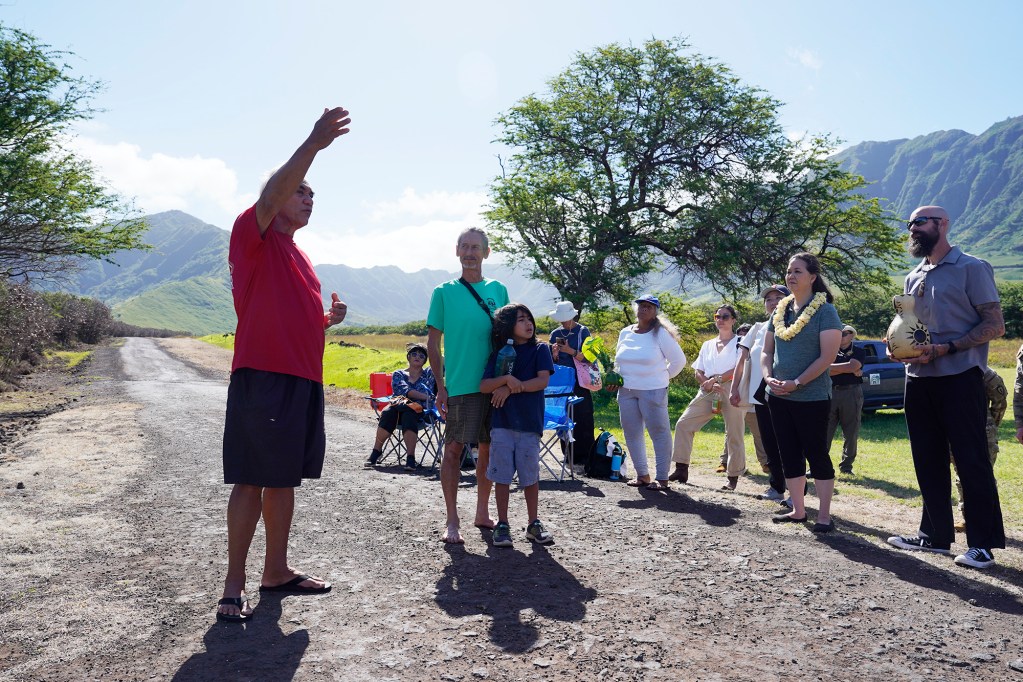
State leaders are facing pressure from all sides: Green, from a strong-arm presidential administration that could claim the land by eminent domain; and OHA, from its Native Hawaiian beneficiaries, who believe continuing to hand over land to the federal government without a fight and without a clear promise of federal compensation would result in the largest land grab since the overthrow of the Hawaiian Kingdom in 1893.
The pressure is rising fast. U.S. Army Secretary Dan Driscoll’s office and the Department of Justice have begun legal consultations on condemning the state-owned training lands for the Army’s use, according to Green’s office.
An ‘Important Crossroads’
Leases for more than 29,000 acres of land on Oʻahu and the Big Island will expire starting in 2029. But defense officials have pushed for a much quicker resolution after the usual process for renewing the leases was thrown into limbo earlier this year when the state land board rejected required environmental studies completed by the Army.
Last month, Green sent a letter to Driscoll outlining the state’s priorities on environmental remediation and other monetary compensation in exchange for the continued use of those lands.
A press release from Green’s office Thursday said those discussions must be “guided by those of Native Hawaiian ancestry and community voices, including the Office of Hawaiian Affairs.” The governor said in the release that Hawaiʻi is at an “important crossroads” between U.S. security interests and cultural stewardship of the state’s natural resources.
“We respect the role of the U.S. military in defending our islands and our entire nation, but that role must coexist with our values and our commitment to the people who call these islands home,” Green said in the statement.
The announcement from Green’s office comes after calls for more engagement involving the Hawaiian community over the last two months by dozens of Hawaiian organizations and OHA.
Committee member William Aila Jr., who formerly held posts as chair of the state land board and director of the state Department of Hawaiian Home Lands, said he became involved as a committee member after a call from Scott Glenn, a senior adviser to Green who will also facilitate the committee.
Aila said he was surprised but jumped at the opportunity. He wants to see the return of lands currently used by the federal government to state control, including the culturally important Mākua Valley. The Waiʻanae resident is part of a group that has cared for Mākua and advocated for its return to the state.
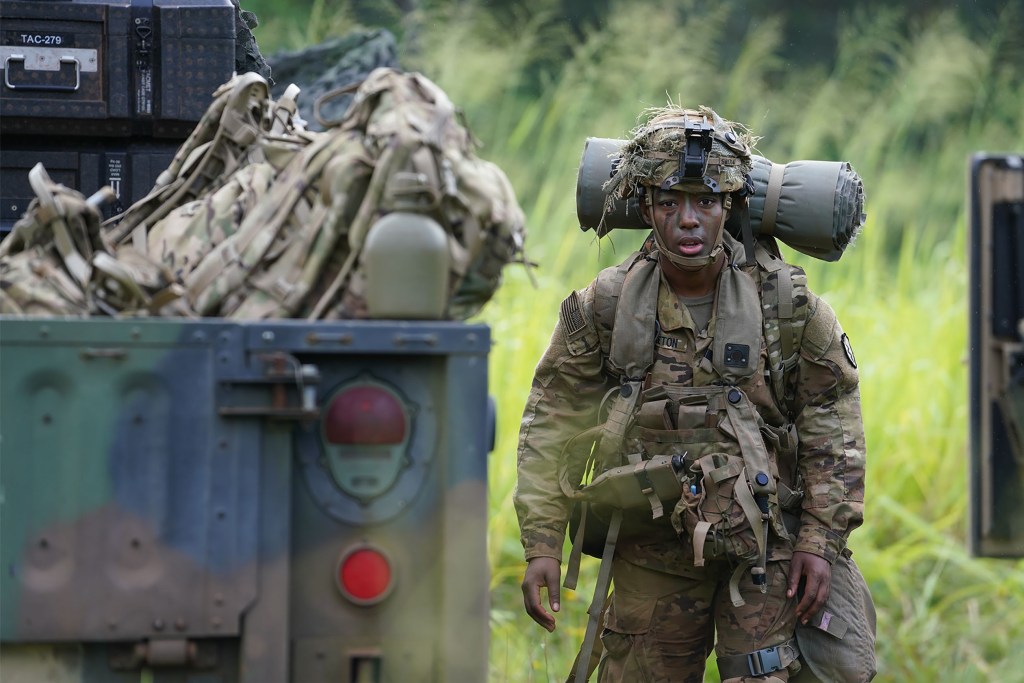
The Army has leases for some lands in Mākua as well as on the Windward side of Oʻahu and the Pōhakuloa Training Area on the Big Island. The Army announced earlier this year that it was downsizing its training footprint on Oʻahu, including in Mākua.
If the Army uses eminent domain to take the lands or otherwise retains them for training, Aila said the state should be sufficiently compensated.
“One dollar for 65 years is not adequate compensation,” Aila said, referring to the paltry sum the Army paid for each of its leases when they were first approved in the 1960s.
Aila said the committee has yet to meet, but after seeing the names on the list, believes it is off to a good start. Other members include Department of Land and Natural Resources Deputy Director Ryan Kanakaʻole, Hawaiian Council CEO Kūhiō Lewis, Waiwai Collective co-founder Mahina Paishon-Duarte, state transportation director Ed Sniffen, DHHL Director Kali Watson, Lālākea Foundation Executive Director Noe Noe Wong-Wilson and Laurie McAllister Moore, executive director of the state Military and Community Relations Office.
OHA Taking Multiple Approaches
In addition to a legislative proposal to ban live-fire training on state owned lands, OHA approved a sweeping package of measures aimed at inserting the agency into the process on Thursday. The office will also begin community hearings on the land leases starting next week on the Big Island.
“It is the same tired tactic colonizers have used for generations; recycled, repackaged, but always with the same intent: to divide us, to pressure us, to push us to surrender what is sacred.”
OHA Board Chair Kai Kahele
The trustees also directed OHA staff to begin an independent analysis of the impact on cultural resources of the Army’s use of state lands and how to mitigate those impacts.

In a missive on the military leases packed with one-liners on leadership, Board Chair Kai Kahele said that “right now is our moment, OHA’s moment,” and railed against the pressure tactics by the federal government and talks that defense officials would use condemnation to take the state’s land.
“It is the same tired tactic colonizers have used for generations; recycled, repackaged, but always with the same intent: to divide us, to pressure us, to push us to surrender what is sacred,” Kahele said.
Whether the Army is even willing to engage with the state on its requests and feedback gathered from the Native Hawaiian community is not yet clear. The Army has not responded to repeated requests for comment in the last two weeks on the status of its lease negotiations.
“We’ll see how it goes,” Aila said. “We’ll see how serious the military really is in wanting to engage.”

