

When Disaster Strikes, Can Hawaiʻi Feed Itself? More Prep Is Needed
With the Maui fires and Covid pandemic in mind, advocates cite progress in bolstering the food system but recognize there’s work to do.
As Hawaiʻi reels under the weight of hunger and the withdrawal of federal support for food security programs, the state’s food advocates are underscoring the importance of preparing now for the next disaster.
That means urgently addressing shortcomings in community relationships, government contracts, reaction times and the supply chain — applying lessons learned from previous emergencies such as the Covid-19 pandemic and 2023 Maui fires.
The confluence of state, county, private and nonprofit representatives who gathered this week for the Hawaiʻi Food System Summit in Wahiawā illustrated growing solidarity for preparing for the worst. County and state officials have been feeling a greater sense of urgency in building a stronger state food system after its shortcomings were laid bare in recent disasters.
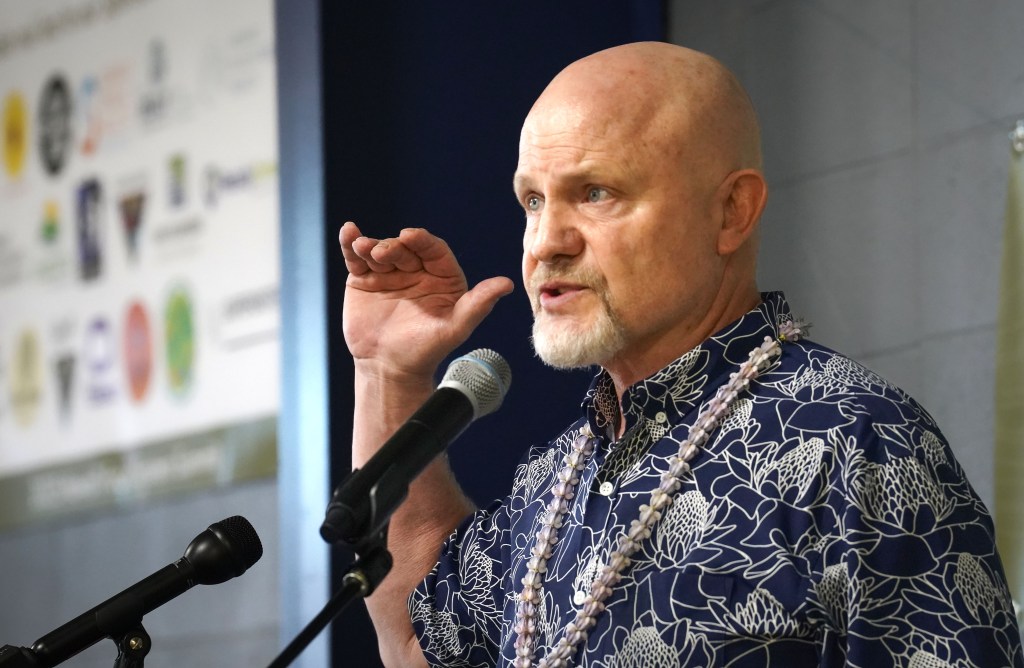
How to better ensure people are fed in disaster situations was the central question at hand during the summit, when the Oʻahu Feeding Task Force gave an update on its work to prepare for the island’s next disaster.
The group provides a coordinated effort among the City and County of Honolulu, the Hawaiʻi Foodbank and other organizations in the nonprofit and private sectors. It was formed to better prepare for post-disaster feeding.
Recent surveys expose the fragility of food security in Hawaiʻi. One in four homes on Oʻahu lack consistent food, according to a statewide food security survey conducted by Hawaiʻi Foodbank. More than a third of households lack consistent, sufficient and nutritious food, according to the November report.

“It’s going to be bad. There’s going to be a huge need,” said Jennifer Walter, Honolulu’s emergency management deputy director. “We didn’t want to give ourselves a 200-page document that people weren’t going to read at the end of the day.”
Walter told summit attendees that the task force’s approach was pragmatic, with specific responsibilities assigned to various agencies for post-disaster needs, from food distribution and preparation to volunteer coordination.
There are now 21 organizations on island that have been trained for disasters and given Starlink satellite communication kits, solar energy panels and batteries, in addition to water and ready-to-eat meals.
Preparing For Another
A strong community is key to responding quickly and efficiently in a disaster, advocates said, before the government can even start reacting. Affected community members can identify ways emergency agencies can be most effective, improving their reaction time.
“It’s impossible to overstate the importance of the first 24 hours, being there and doing something,” Hawaii Foodservice Alliance CEO Chad Buck said. “You want everything to be as much of a muscle reflex as possible because you cannot prepare yourself for what you’re about to see.”
Buck has championed disaster preparedness and resilience for several years, starting during the pandemic. His company was a first responder on Maui after the fires, helping set up recovery sites around Lahaina and delivering essentials to West Maui.
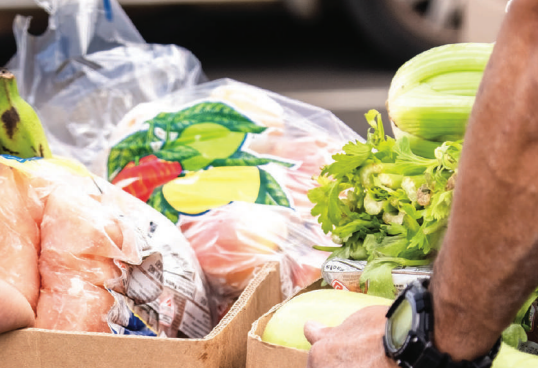
Maui food advocates agreed that relationships need to be built ahead of time to avoid hiccups and slow bureaucratic processes. That means mapping out the state’s resources to better understand the recovery landscape.
The importance of local agriculture cannot be overstated in the wake of disasters either, especially because those businesses are both affected by disasters and better prepared to quickly respond to needs, said Common Ground Collective Executive Director Jennifer Karaca.
The discussion comes as even the state government is uncertain about what is happening at the federal level. Perhaps the most important department, the Hawaiʻi Emergency Management Agency, is bracing for a potential drop in support as the Trump administration restructures its federal counterpart.
“We don’t know what FEMA 2.0 is going to look like,” HIEMA grant specialist Kyle Tucker said. “There’s tons of uncertainty.”
The agency’s Emergency Food and Shelter Program has failed to follow through on funding for Hawaiʻi Foodbank, Aloha United Way, The Salvation Army and other state agencies and nonprofits, reducing their ability to provide services.
For Hawaiʻi Foodbank, the funding from that program accounted for 150,000 meals on Oʻahu and Kauaʻi, according to a letter sent to the agency last week by Hawaiʻi’s congressional delegation.
The federal program’s funding is a fraction of the total amount in limbo or canceled this year — $175 million is at risk. That’s equivalent to about one-quarter of the state’s entire agricultural GDP.
‘Profoundly Unprepared’
Discussions about disaster preparedness are developing beyond just increasing local food production, with processing capabilities drawing increased attention.
Food processing has been one of the key bottlenecks in the revival of the local agricultural sector and economy, to help the state achieve its goal of doubling local food production and relieving its reliance on the mainland for food.
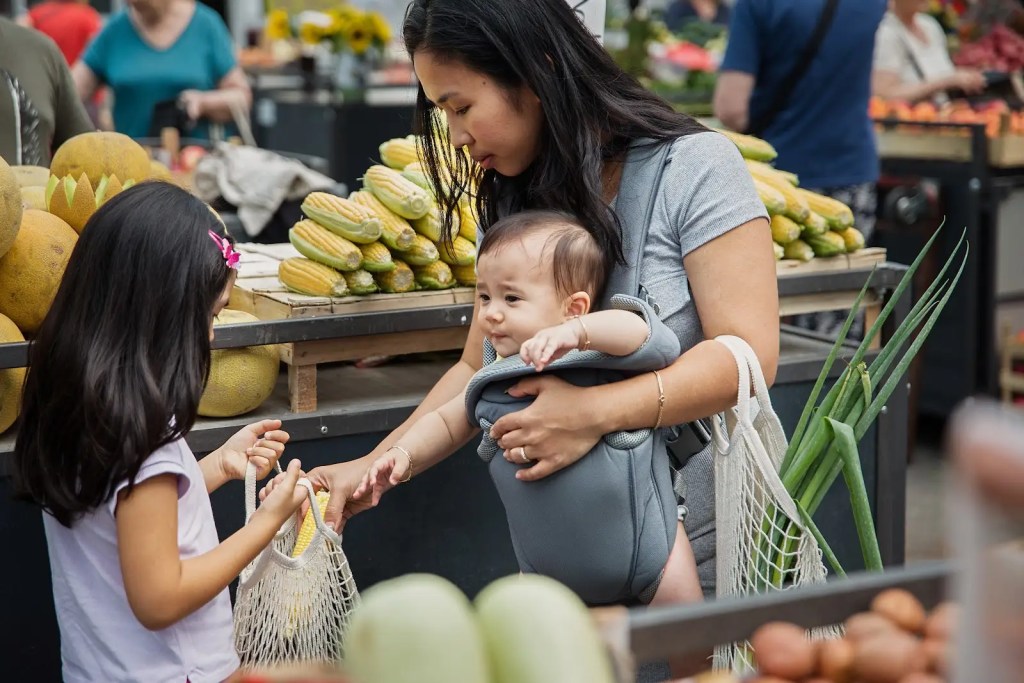
In response, a handful of local organizations have started making ready-to-eat meals for disaster preparedness, which were showcased during the summit. Everything from venison and ʻulu curry to chicken lūʻau stew — with a 25-year shelf life — were among the freeze-dried offerings from Tammy Smith at KTER4U.
Organizations such as Windward Oʻahu’s KEY Project are encouraging the planting of resilient food-bearing plants to help stretch disaster supplies during emergencies.
A University of Hawaiʻi West Oʻahu study, published last month, analyzed just over 1,000 residents’ disaster readiness. Just 19% of households kept the state-recommended 14-day supply of water, while 29% complied with emergency food recommendations. For medicine, 39% adhered to recommendations.
The state has enough emergency food to feed Oʻahu for about three days, which underscores that “we are profoundly ill-prepared,” according to UH West Oʻahu professor Albie Miles.
Last month, lawmakers celebrated the groundbreaking for an almost $28 million, 40-acre food hub facility in Whitmore Village. The Wahiawā food campus includes a centralized kitchen to allow the Department of Education to serve public schools around the island.

The Agribusiness Development Corp. is overseeing the build and will play host to the hub’s resident initiatives, from cold storage and product development to the DOE kitchen, intended to supply up to 60,000 meals per day once it’s complete in 2027.
Sen. Donovan Dela Cruz, who has championed the work, shared future plans to roll out the model throughout the islands, informed by the education department’s needs and the agricultural landscape.
The model is based on the premise that DOE has the budget to create sufficient demand to boost agricultural production and supply, improving the state’s self-sufficiency.
The Agribusiness Development Corp. is mapping agricultural commodities, Dela Cruz said at Monday’s summit, which will help guide the state’s future investments.
“We just can’t keep planning,” Dela Cruz said. “We need to start investing in facilities.”
“Hawai‘i Grown” is funded in part by grants from the Stupski Foundation, Ulupono Fund at the Hawai‘i Community Foundation and the Frost Family Foundation.

